_8Dq7PE1hzB28MQGuCvTvq.svg?width=1920&quality=80&format=auto)
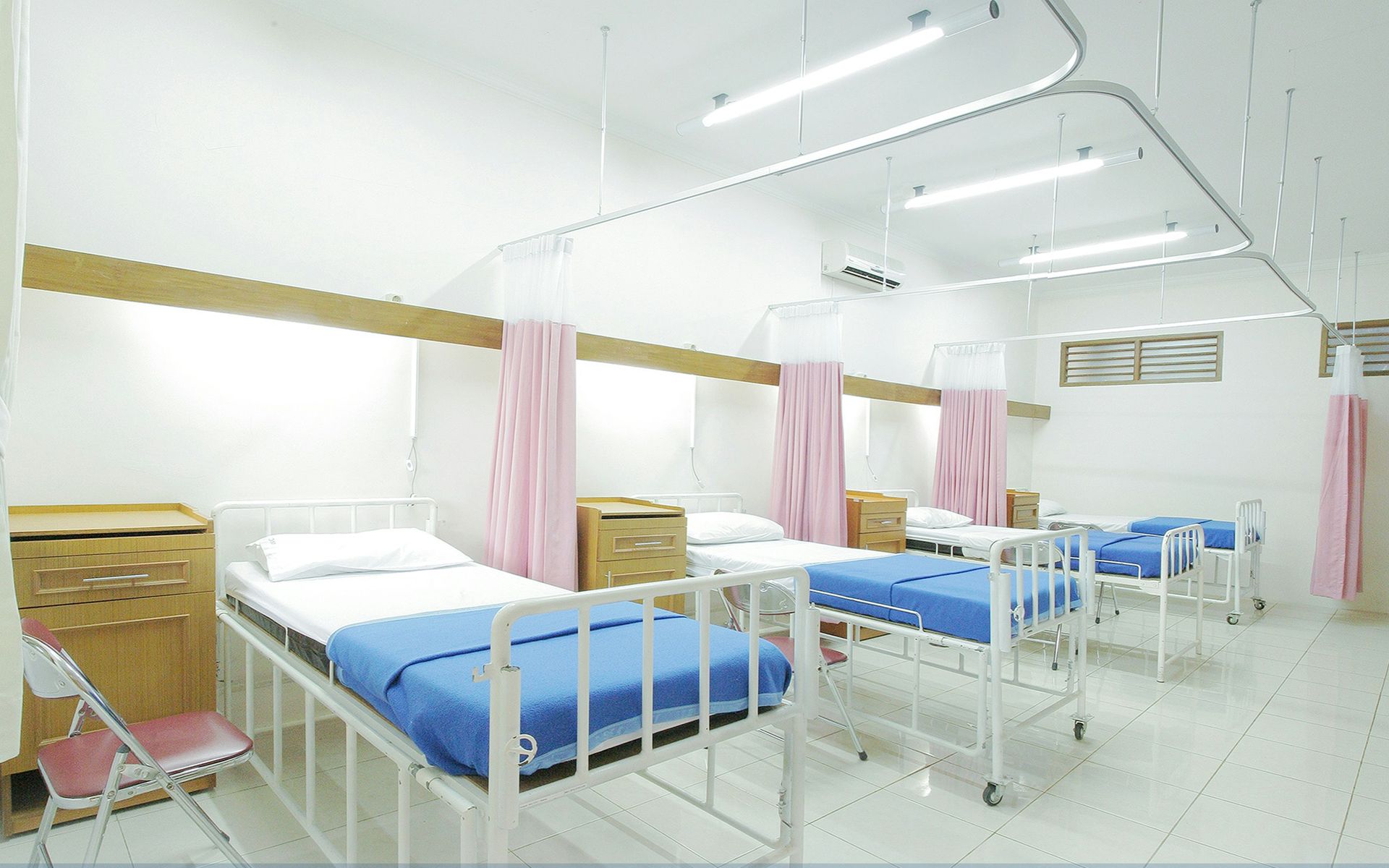
Non Communicable Diseases
Research
REACH 2.0
Ongoing
Rural Effective Affordable and Comprehensive Health Care
REACH 2.0 is a three-year strategic plan by SHARE INDIA to expand comprehensive non-communicable disease screening across 24 villages in Medchal through a structured, sequential rollout.
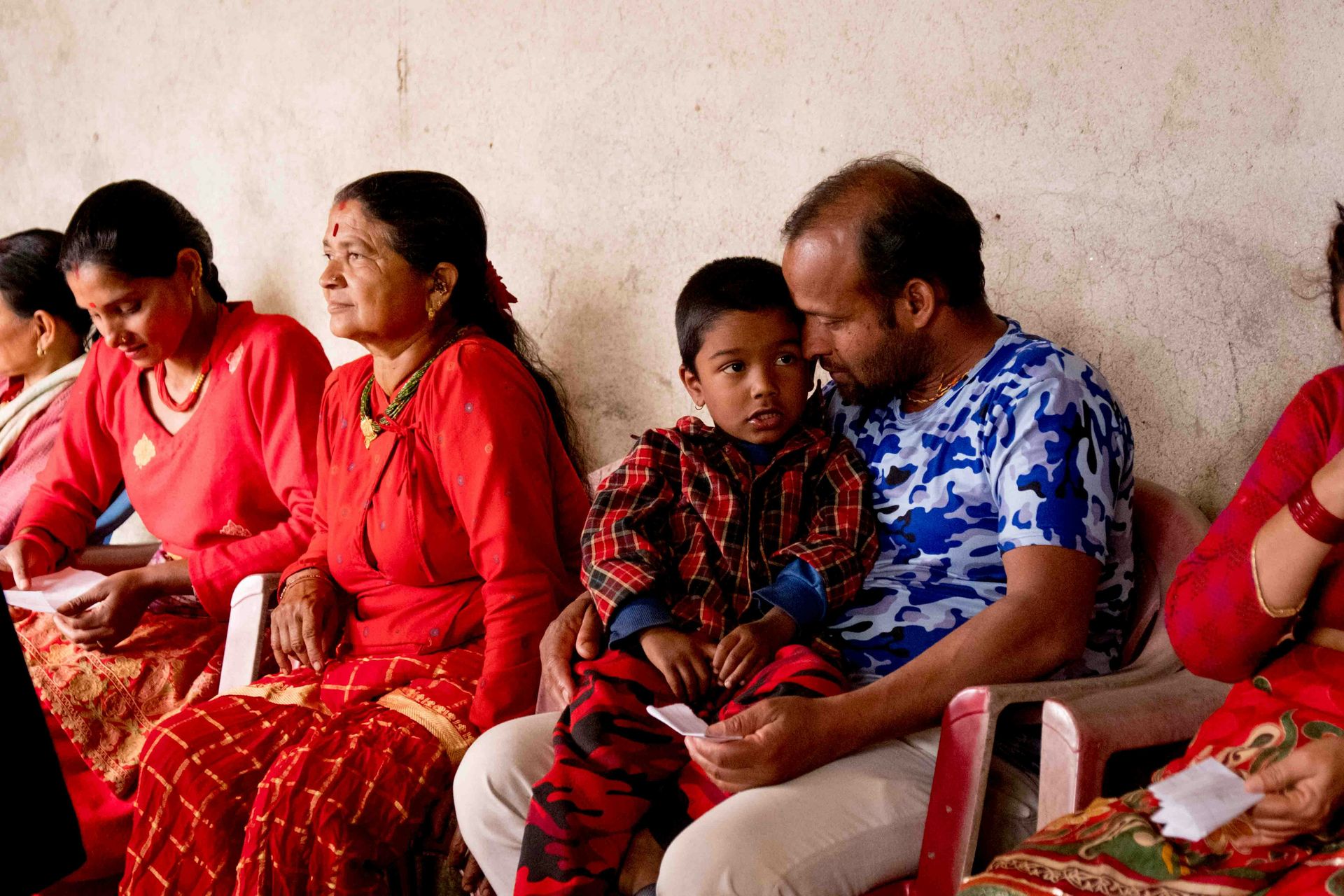
Maternal Child Health Reproductive Health
Research
LIFE
Ongoing
Longitudinal Indian Family hEalth
The Longitudinal Indian Family Health (LIFE) pilot study was established in 2009. The goal of this study is to understand the link between the environment in which Indian women conceive, pregnancy, and child birth, physical and mental health along with the development of the child.

Infectious Diseases Surveillance
Community Outreach Activities
DC-SURV
Ongoing
Community-based Surveillance to estimate incidence and Sero prevalence of acute febrile illness with focus on Dengue and Chikungunya
As part of the Clinical Trial Network established under the National Biopharma Mission through the Biotechnology Industry Research Assistance Council, ten demographic surveillance sites across India were selected to study the epidemiology of acute febrile illnesses, dengue, & chikungunya
Non Communicable Diseases
Research
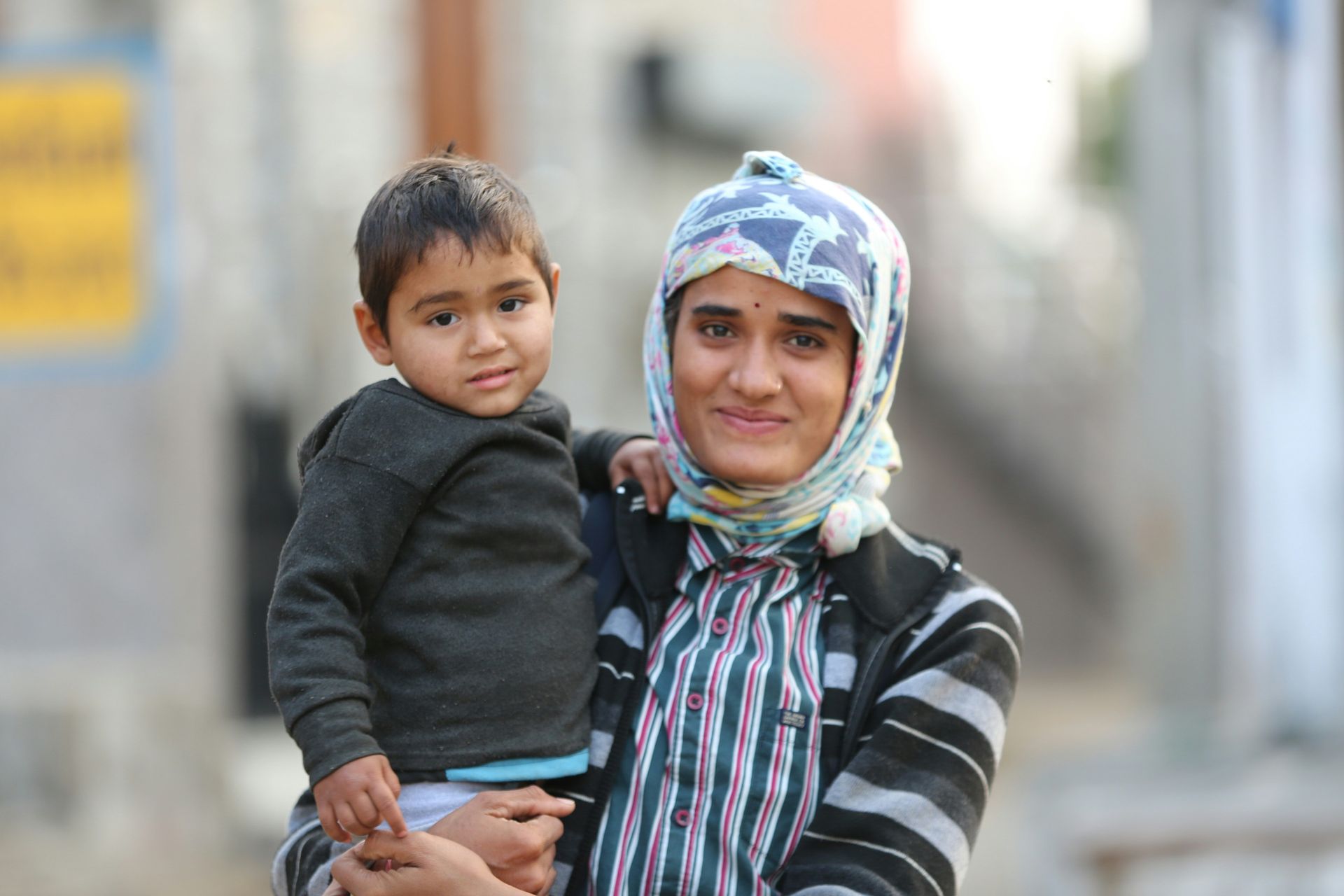
STReTCH
Ongoing
Comprehensive Family-Based Screening, Management & Linkage Utilizing Molecular Diagnostics in a Rural, Underserved Community
STReTCH is a community- and family-based screening program in rural Telangana that integrates molecular diagnostics to identify and manage hypertension, diabetes, tuberculosis, and cervical cancer.
Medical Devices
Research
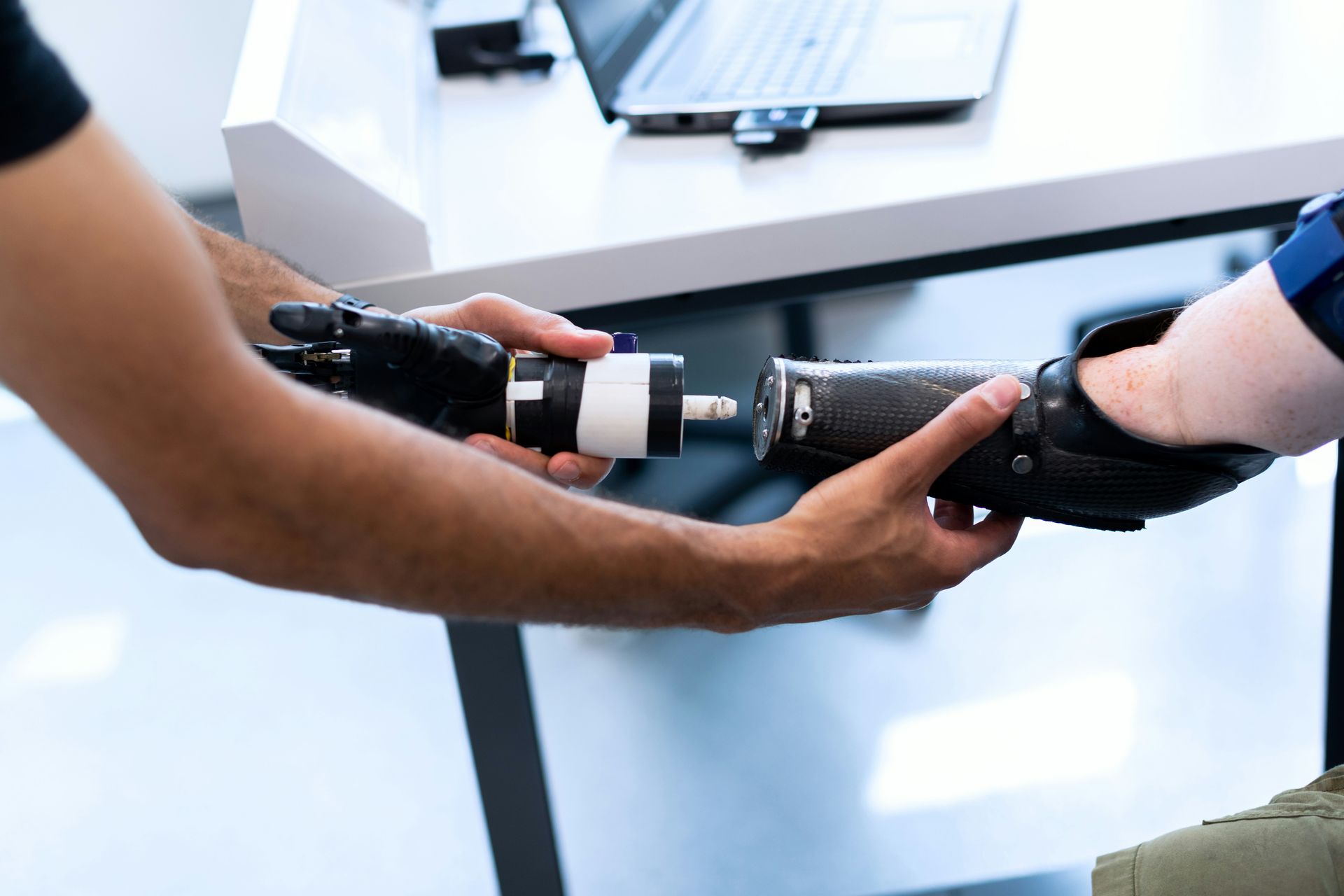
POP
Ongoing
Prosthetics & Orthotics for the Disabled Program
The Prosthetics & Orthotics for the Disabled Program (POP) is an innovation-led initiative focused on developing affordable, customized prosthetic and orthotic solutions in India. By integrating digital technologies with clinical expertise, POP aims to restore mobility, independence, and dignity for persons with limb loss.

Medical Devices
Research
AHP
Ongoing
Artificial Heart Program
Artificial Heart Program (AHP) is a flagship bio-engineering initiative by SHARE INDIA that brings together engineering institutes, medical institutions, and industry partners to advance the indigenous development of life-saving cardiac assist devices in India through collaborative, innovation-driven research.
Technical Assistance To Government Of India
Infectious Disease Surveillance
CDC & PEPFAR
Ongoing
HIV, TB, Disease Surveillance & Laboratory Strengthening Technical Assistance
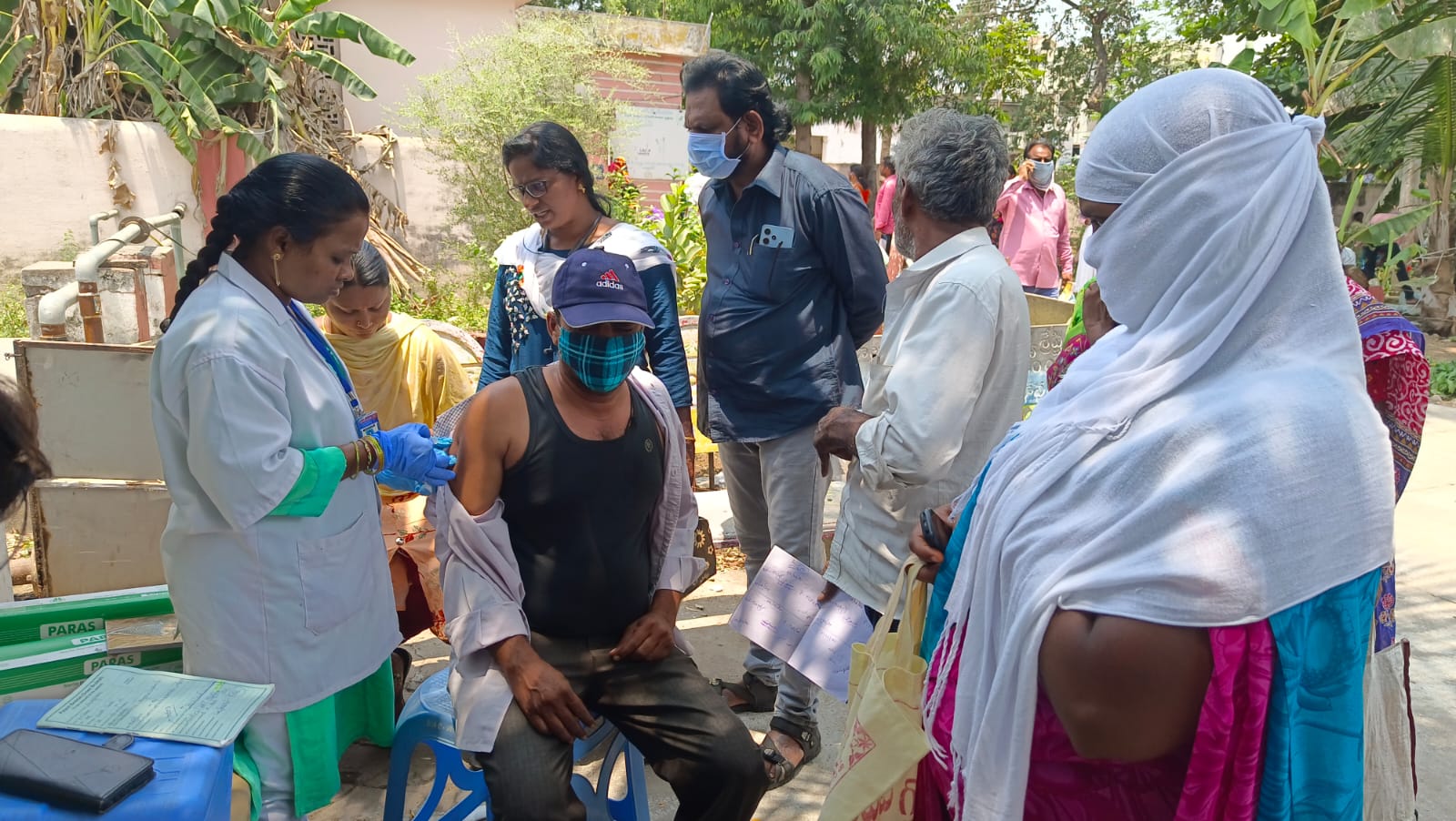
SHARE INDIA provides technical assistance under cooperative agreements supported by the Centers for Disease Control and Prevention and the U.S. President’s Emergency Plan for AIDS Relief (PEPFAR) to strengthen India’s response to HIV and tuberculosis. Working in close collaboration with national and state health programs, our efforts span disease surveillance systems, laboratory strengthening, diagnostics, treatment optimization, and digital health platforms—advancing data-driven decision-making to accelerate epidemic control and TB elimination.
Technical Assistance To Government Of India
Infectious Disease Surveillance
Global Fund
Ongoing
Strengthening India’s HIV Laboratory Network
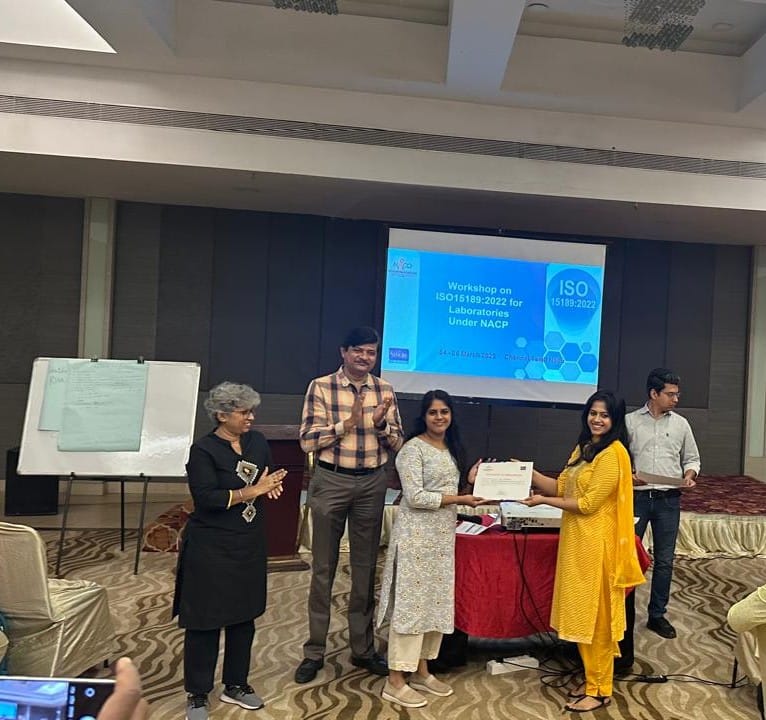
Supported by the Global Fund to Fight AIDS, Tuberculosis and Malaria, SHARE INDIA is strengthening India’s national HIV laboratory systems under NACP by expanding drug resistance testing, improving quality standards, and advancing molecular surveillance. From establishing HIV-1 Drug Resistance laboratories and a national biorepository to scaling ISO 15189–aligned quality systems, this initiative enhances diagnostic accuracy, informs treatment decisions, and strengthens India’s capacity to detect and respond to emerging HIV threats.

Non Communicable Diseases
Research
GEO Health
Ongoing
Health Effects of Selected Environmental Exposomes Across the Life Course – India & US
HEALS studies the impact of environmental exposures air pollutants (PM2.5, NO2, O3) and extreme temperatures on health across the life course in India and the US. The project combines high-resolution environmental data with multi-cohort health assessments to generate evidence for policy and preventive interventions.
Maternal Child Health Reproductive Health
Research
ICMR - Stillbirth
Ongoing
Secondary Data Analysis for Preventing Stillbirths in India
Stillbirths are a hidden tragedy that impacts millions of women and families across the globe daily. The stillbirth rate is one of the indicators of the quality of a country's healthcare system. Stillbirths are a significant public health problem in India.
Technical Assistance To Government Of India
Infectious Disease Surveillance
LaQSH Plus
Ongoing
Strengthening India’s HIV Laboratory Systems
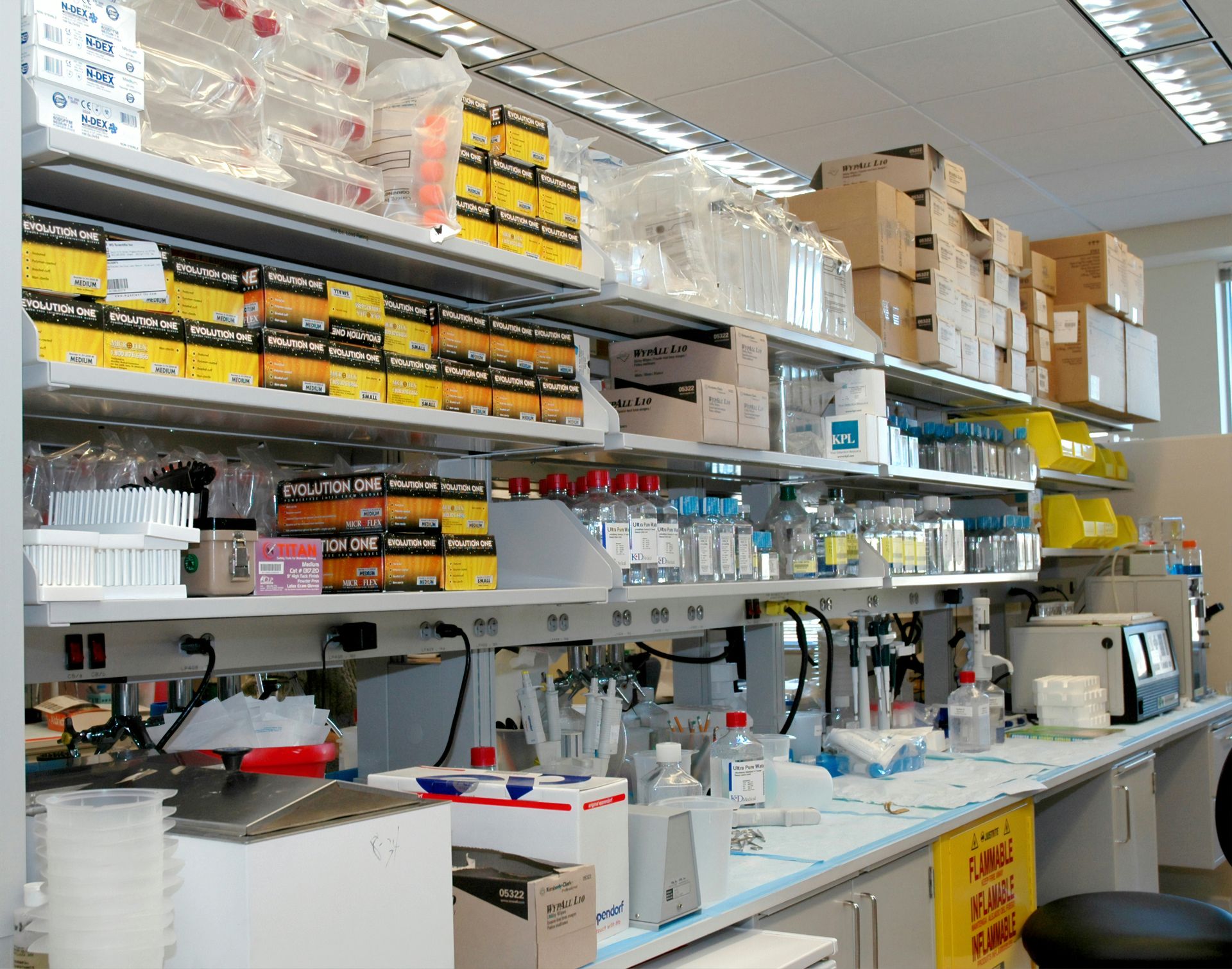
LaQSH Plus is a national laboratory systems strengthening initiative implemented under the CDC–PEPFAR cooperative agreement. The project provides strategic technical assistance to NACO under the National AIDS Control Programme (NACP), supporting progress toward the 95–95–95 HIV targets.
Technical Assistance To Government Of India
Infectious Disease Surveillance
NISCHIT Plus (HIV)
Ongoing
Strengthening HIV Service Delivery
NISCHIT Plus (HIV) provides targeted technical assistance to strengthen HIV service delivery, advance differentiated care, and enhance treatment quality for people living with HIV (PLHIV) across all districts of Andhra Pradesh, in collaboration with the Andhra Pradesh State AIDS Control Society (APSACS).
Technical Assistance To Government Of India
Infectious Disease Surveillance
NISCHIT Plus (TB)
Ongoing
Strengthening India’s TB Elimination Efforts
NISCHIT Plus (TB) provides technical assistance to the National TB Elimination Program (NTEP) under the Ministry of Health and Family Welfare, Government of India, in collaboration with the Central TB Division and State TB Offices.
Technical Assistance To Government Of India
Infectious Disease Surveillance
BOLSTER
Ongoing
Building Outbreak Preparedness & Surveillance Capacity
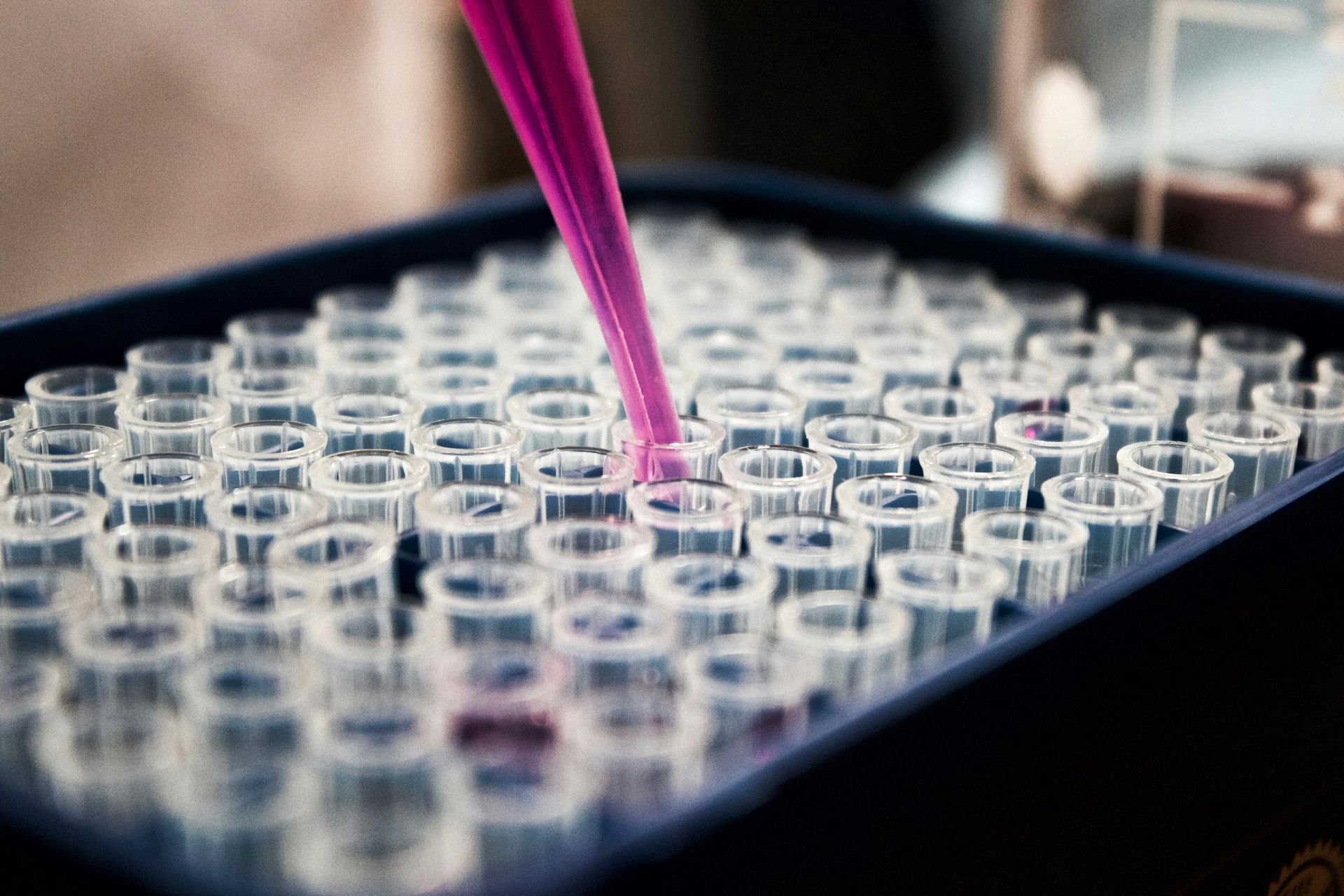
Under the BOLSTER initiative, SHARE INDIA works with the Government of India and the Centers for Disease Control and Prevention (CDC) to strengthen India’s capacity to prevent, detect, and respond to infectious disease threats.
Maternal Child Health Reproductive Health
Research
CATCH
Completed
Community Access To Cervical Health
SHARE INDIA jointly with Johns Hopkins University to evaluate various strategies in screening the population for Cervical Cancer. The project was initiated in 2002 and completed in 2009, under the guidance of Prof. Keerti Shah and implemented by his associate Dr. Patti Gravitt.
Non Communicable Diseases
Research
MILES
Completed
Mobility and Independent Living in Elders Study
This longitudinal study, initiated in 2012, was designed to examine the burden of age-related chronic diseases and associated risk factors among older adults in rural India. The study was implemented in the Medchal region of Telangana, through collaboration between SHARE INDIA, MediCiti Institute of Medical Sciences
NaN
Research
MS HIV
Completed
Metabolic Syndrome among People Living with HIV - An Indian Perspective
Infectious Diseases Surveillance
Research
TB-QMS
Completed
Improving TB Diagnosis at Designated Microscopy Centers by Introduction of Quality Management Systems and Optimum Utilization of Rapid Molecular Diagnostics and its Cost Implication
Maternal Child Health Reproductive Health
Research
CSSI
Completed
Caesarean Surgical Site Infection Study
NaN
Research
ABCs
Completed
In Infants (Asian Indian Beta-Cells in Infants) Maternal Nutritional Status and Pancreatic Beta Cell Function in Asian Indian Infants
Infectious Diseases Surveillance
Research
Dengue Study
Completed
Prospective dengue sero-prevalence Study in 5- to 10-Year-old children in India – A community based descriptive cross sectional study
Infectious Diseases Surveillance
Research
TB RDCW
Completed
TB prevalence and interventions for reducing TB and LTBI in high-risk key population of rickshaw drivers and construction workers
NaN
Research
TETRA
Completed
Technology Enabled health workers to deliver Telemedicine to Rural Homes at Affordable costs
Clinical Trials
NaN
TOPSPIN
Completed
Treatment Optimisation for blood Pressure with Single-Pill combinations in India
Globally, high systolic blood pressure (SBP) was reported as the leading risk factor for morbidity and mortality. Hypertension is also a leading cause of death and disability in India with a prevalence of 30%. Significant variation was noted in hypertension prevalence among rural (28%) and urban (34%) patients in India.