
CATCH
Community Access To Cervical Health

41.6%
Enrollment Rate
84.2%
HPV Detection Rate (CIN2+ Cases)
93%
HPV Test Agreement Rate
Overview
SHARE INDIA jointly with Johns Hopkins University to evaluate various strategies in screening the population for Cervical Cancer. The project was initiated in 2002 and completed in 2009, under the guidance of Prof. Keerti Shah and implemented by his associate Dr. Patti Gravitt.
Invasive cervical carcinoma is a major cancer of women in the developing world. Nearly one-fourth of the new cervical cancer cases worldwide is estimated to occur in India, where a large majority is identified in an advanced and inoperable stage of disease. This is a public health tragedy, since among all major human cancers; cervical cancer is potentially the most preventable. It can be easily diagnosed in its pre-invasive stage, because the cervix is readily accessible for inspection and sampling and pre-invasive cervical abnormalities persist for many years and can be effectively treated.
Aim
To compare the test characteristics (sensitivity, specificity, positive and negative predictive values and referral to colposcopy rates) of each of the following three screening methods for the detection of prevalent high-grade squamous intra-epithelial lesions (HSIL) and/or invasive cervical carcinoma:
- Pap smear
- Visual inspection of cervix (VIA)
- HPV DNA in clinician collected specimens (HPV-C)
Objectives
The CATCH Study is designed as a population-based study to evaluate the performance of three cervical cancer screening assays in rural India: Pap smear, HPV DNA testing and visual inspection of the cervix after acetic acid application (VIA).
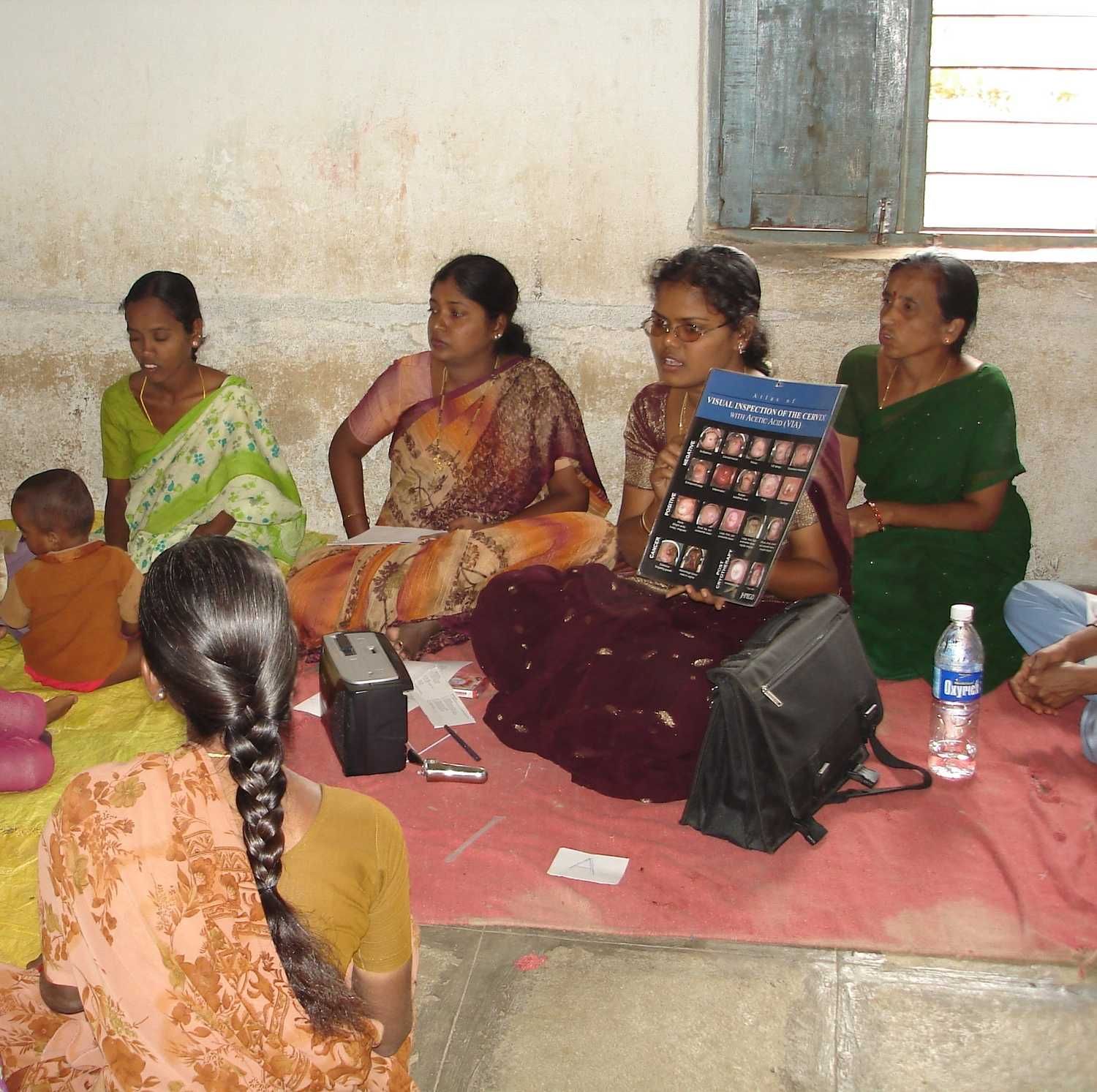
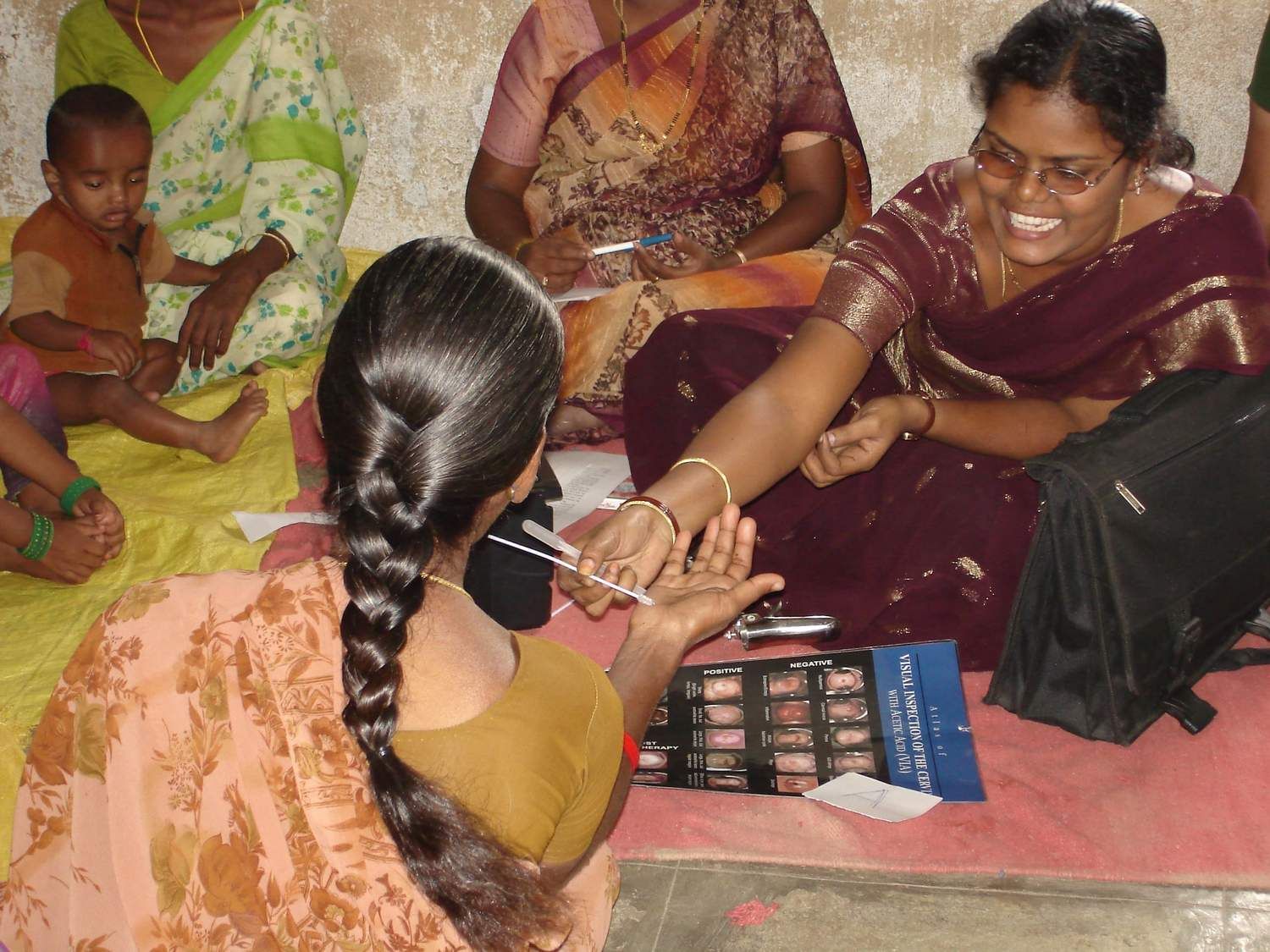
Results
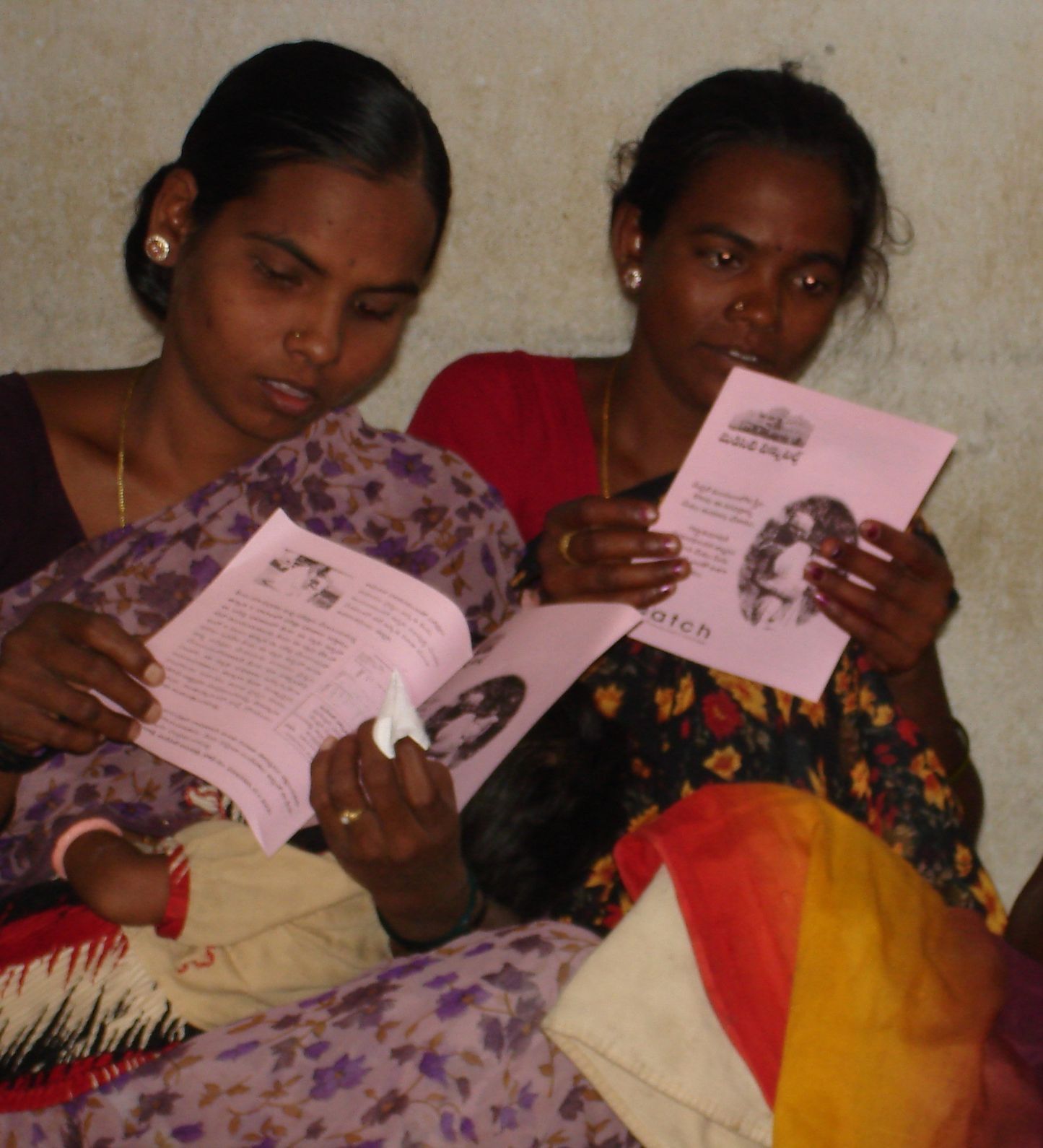
The study aimed to enroll all eligible women, 25 years and older, who were not pregnant and had not had a hysterectomy. A total of 2331/5603 (41.6%) eligible women enrolled between January 2005 and July 2007.Participants consented to an interviewer administered questionnaire and also provided biological specimens. All women found to have one or more positive tests (n= 582) were invited back for colposcopic examination and biopsy where indicated. Of the 19 women identified with CIN2+ lesions, 5 were VIA +ve(26.3%) 12 women were Pap positive(63.2%) anf 16 women were HPV (84.2%). As only 41% were enrolled in to the study, we developed education materials and conducted in depth interviews and focus group discussions to elicit knowledge, attitudes and beliefs about cervical cancer. Majority accepted the idea of field based vaginal sampling. Agreement between self-collected vaginal and physician collected cervical PCR based HPV detection was 93%.
Conclusions
The HPV test was more sensitive and specific relative to the subjective Pap and VIA tests. Compliance with screening, follow up and treatment remained a significant barrier to effective cervical cancer prevention in rural India.