
DNG 10
Prospective dengue sero-prevalence Study in 5- to 10-Year-old children in India – A community based descriptive cross sectional study

5–10 years old
Children Enrolled
2012–2013
Recruitment & Sample Collection
~58%
Dengue Seroprevalence
Overview
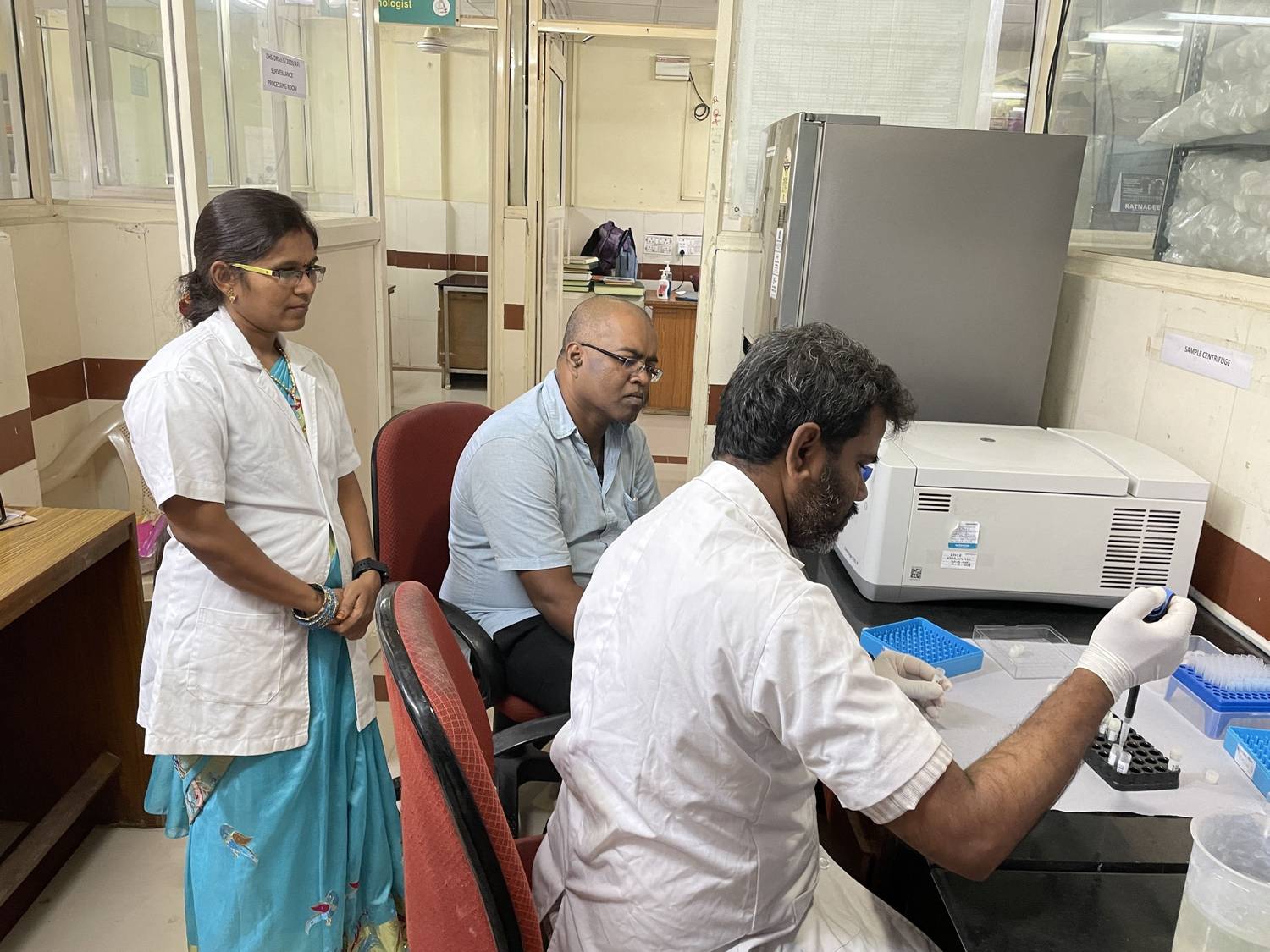
A community-based, descriptive prospective seroprevalence study designed to determine the prevalence of specific antibodies ( IgG ) against dengue in healthy 5 to 10 year old children across 10 sites in India of which two sites, 006 (Gundlapochampally) and 007 (Ravalkol) were allocated to SHARE INDIA. Dengue and JE antibodies testing were conducted in Department of Microbiology, MAMC, New Delhi. Further it was also planned to determine dengue virus serotype in positive samples through PRNT test. It was additionally planned to analyze JE-specific antibodies in this population to determine exposure of the Japanese Encephalitis Virus (Flavivirus) in this area.
Aim
To assess the seroprevalence of dengue-specific IgG antibodies among healthy children aged 5–10 years in India, and to evaluate exposure to dengue virus serotypes and Japanese Encephalitis virus using standardized serological methods.
Objectives
Primary Objective
To determine the prevalence of specific antibodies (IgG) against dengue in healthy 5 to 10 year old children in India through IgG testing using the commercially available kit "EL1500G" from Focus Diagnostics (California, US).
Secondary Objective(s)
- To determine the dengue virus serotype (DENV-1, 2, 3 and/or 4) specific to the antibodies in positive (IgG) samples through PRNT50.
- To estimate the prevalence of specific antibodies (IgG) against Japanese encephalitis in healthy 5 to 10 year-old children in India through JE IgG antibodies testing though Indirect ELISA using commercial available kits (InBios, USA).
Rationale for conducting the study
Dengue fever (DF) is of public health importance in India because of the epidemic outbreaks and morbidity. The epidemiology patterns observed in the recent past indicates that the country is endemic for dengue with documented outbreaks of DF and DHF. Hence, the present seroprevalence study was proposed, in a sample of children registered in the health centers
- To assess the prevalence of dengue‐specific antibodies which would allow assessing if there has been dengue transmission in the community in recent years (5 years).
- Seroprevalence in children age between the age of 5 to10 would be able to provide insight into approximate average annual incidence of new dengue infection over the last 5-10 years.
Recruitment method
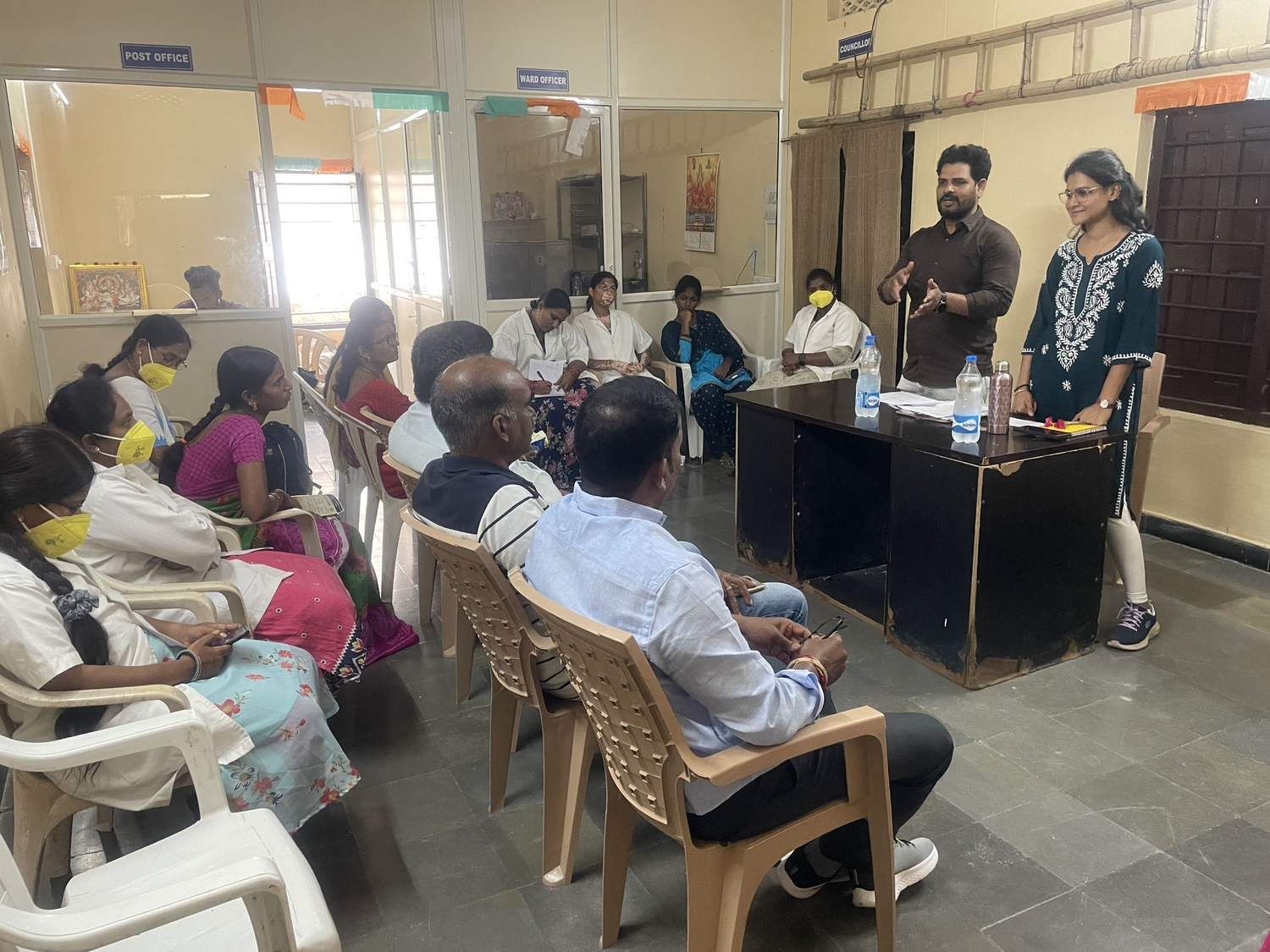
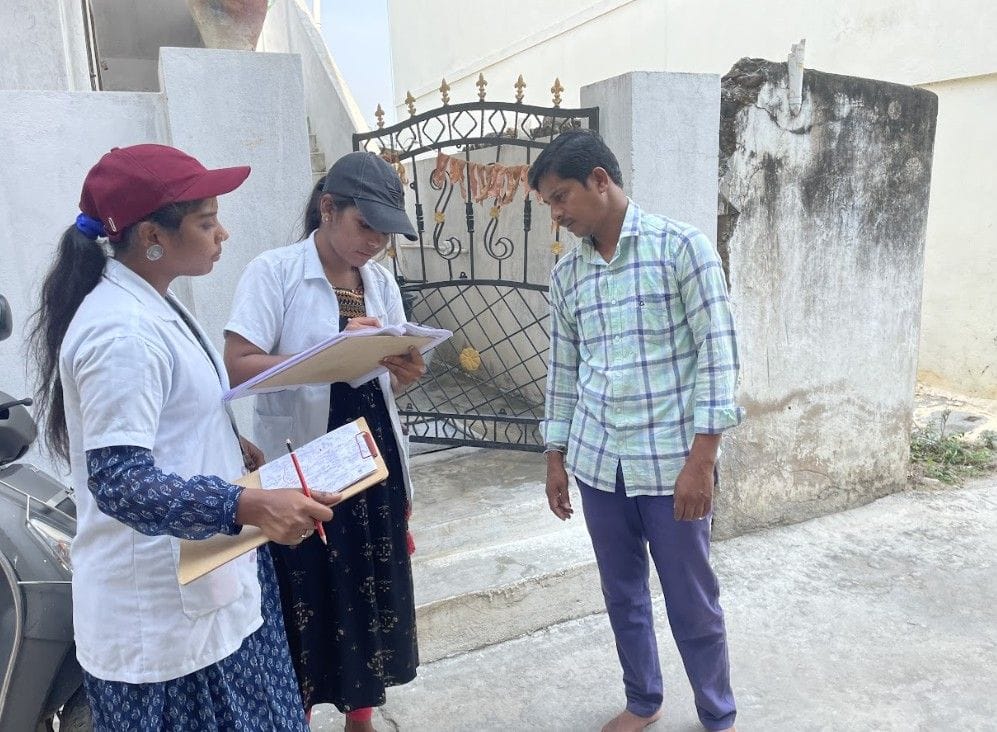
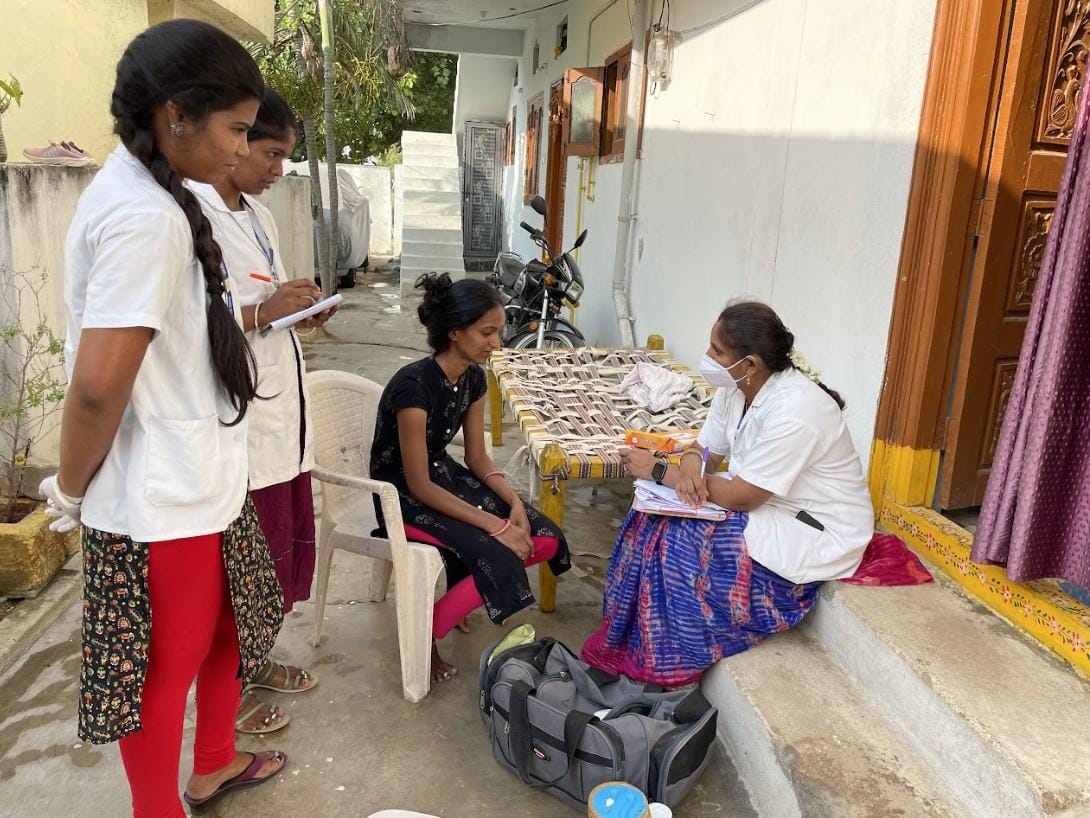
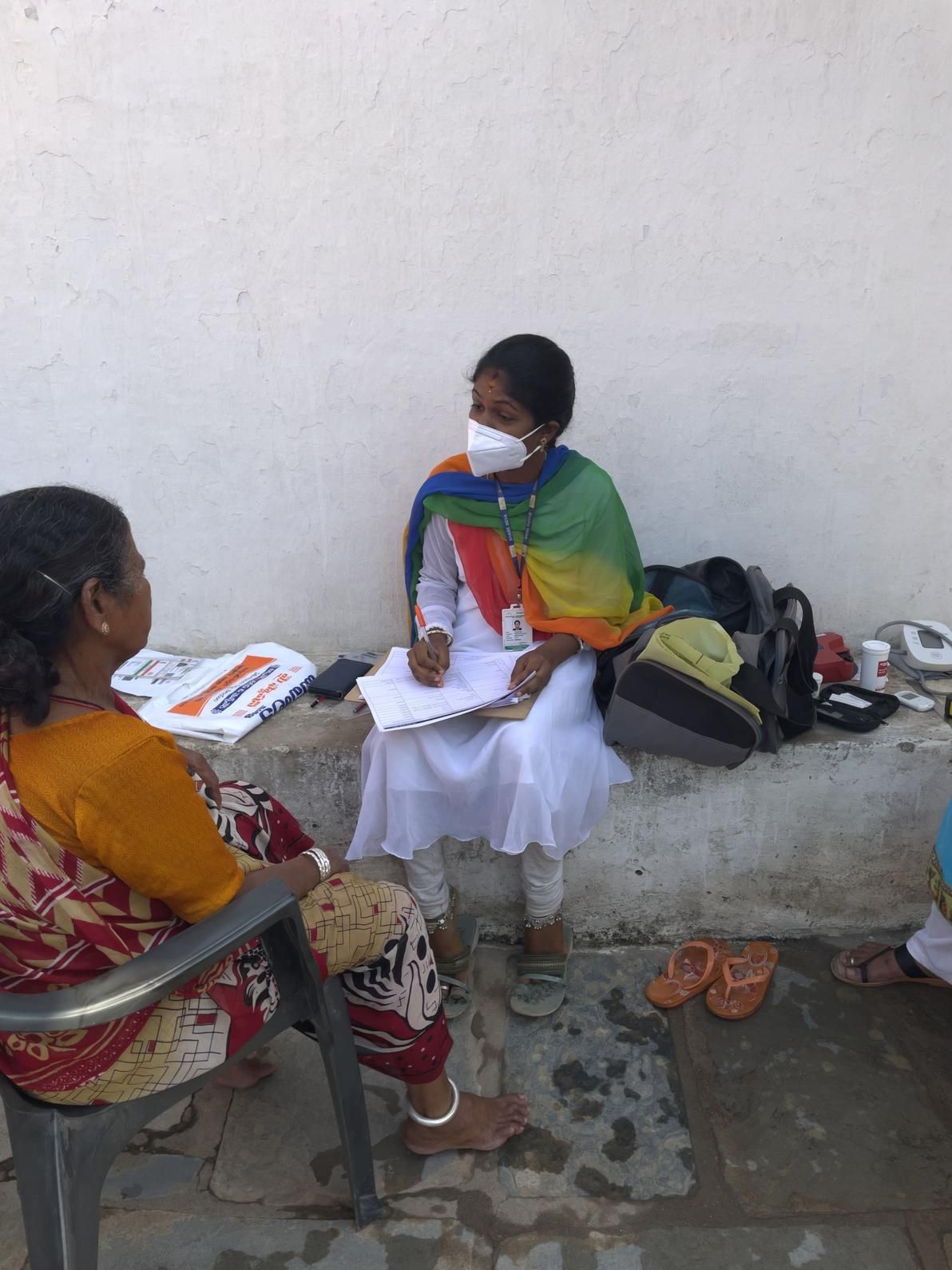
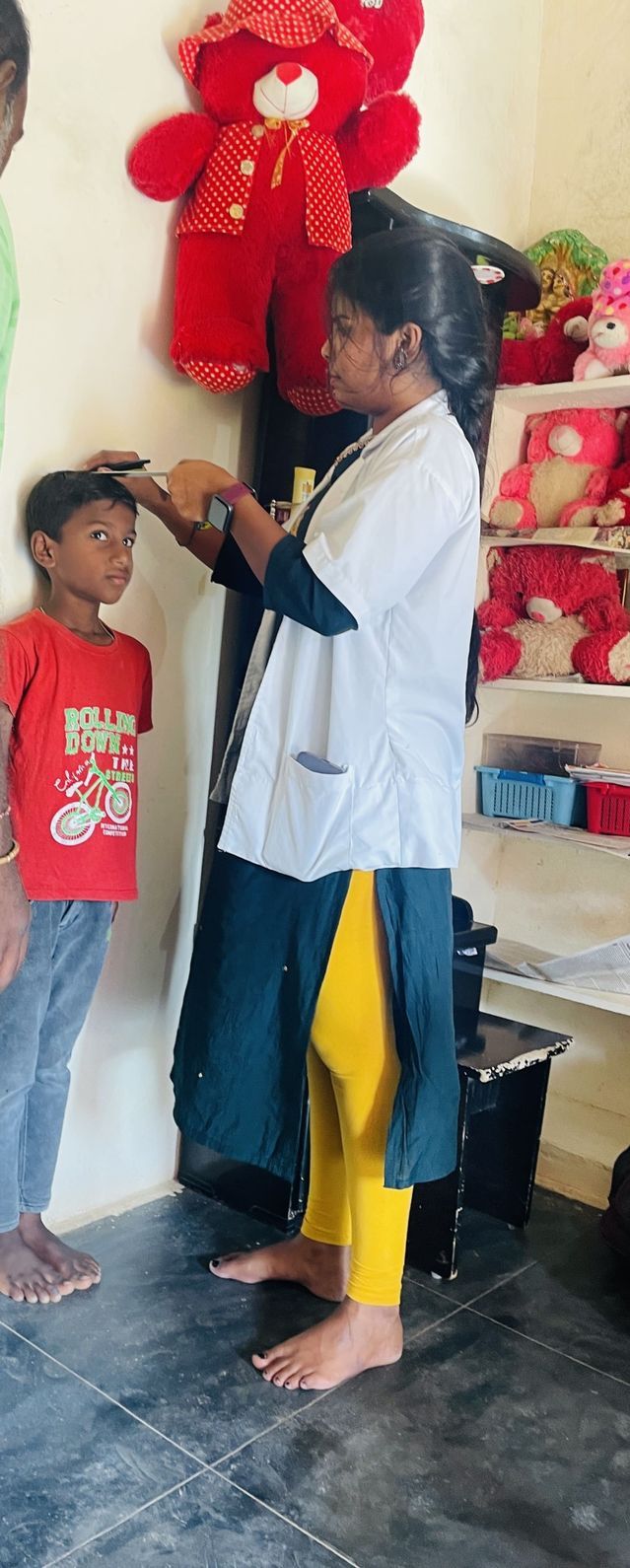
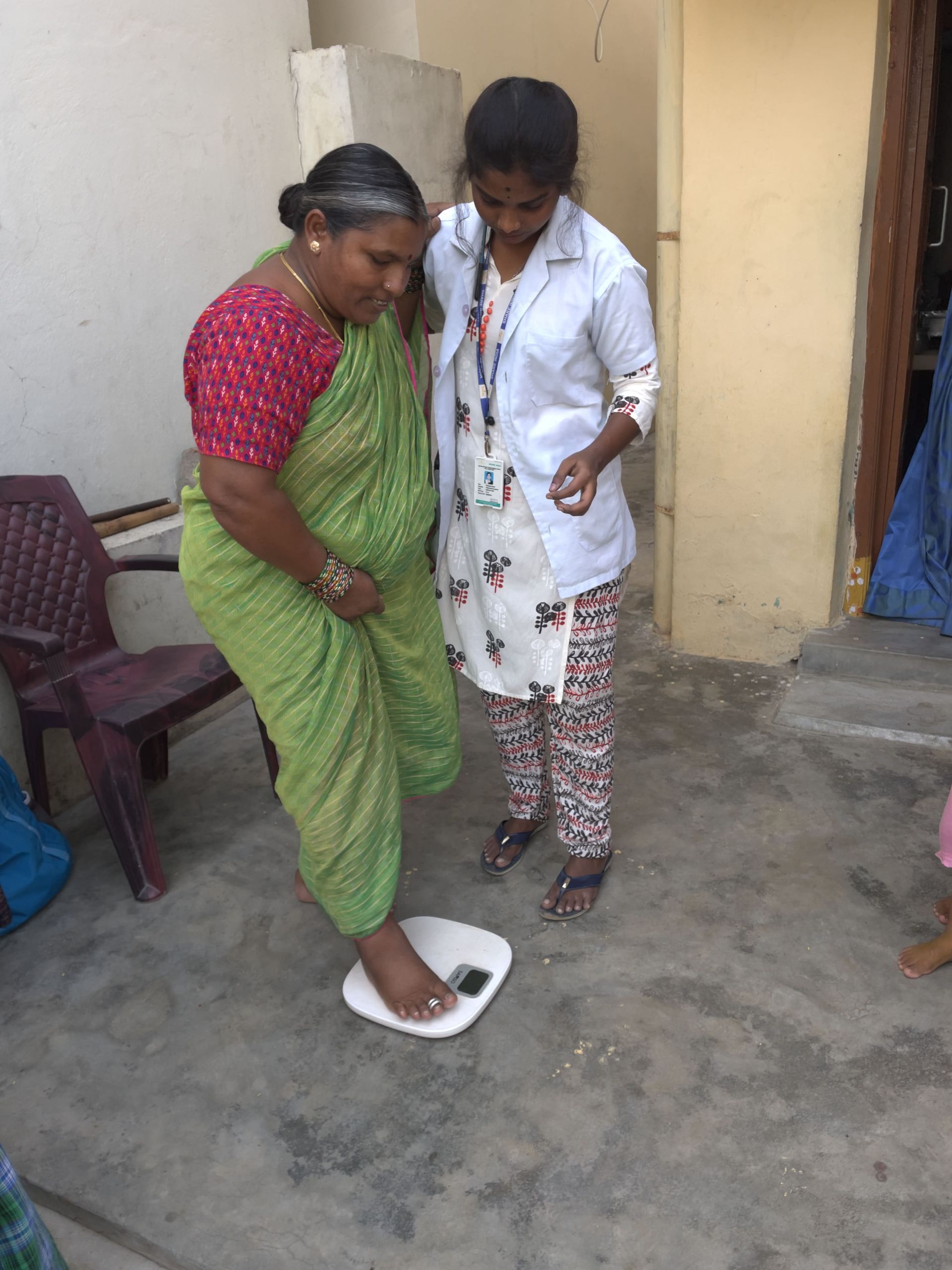
Upon initiation of the study in a study site, the social workers of the health centres informed the population and the respective government authorities about the study. Children were enrolled in the community during a local school visit by the social workers. During the household visit demographic and household data was recorded and a visit to the school for blood sample collection, and anthropometric examination was scheduled. A blood sample was collected by trained phlebotomist. This sample was transported to MIMS laboratory, and serum was separated and stored at -20 deg. C.
Sample size and power calculation
The sample was arbitrarily set at 323 subjects in each site. Assuming a prevalence rate of 30%, a sample of 323 subjects would ensure a precision of 5% for the 2-sided 95% confidence interval around the seroprevalence point estimate. Total of 639 samples from SHARE INDIA sites were sent for seroprevalence assays.
Ethical Issues
The study was cleared by the Research Ethics Committee of MediCiti Institute of Medical Sciences. Insurance for all the enrolled subjects was obtained. Assent was taken from parents. Study was conducted in accordance with ICH-GCP, Declaration of Helsinki, guidelines for good Epidemiology Practices and local regulations. No undue monetary advantage was offered to subjects, apart from measurement of Haemoglobin to detect anemia, and its treatment, assessment of blood group and providing a digital thermometer in addition to measurement of dengue Antibodies.
Status of the project
DNG10 was a prospective dengue community-based descriptive sero-prevalence study to determine the prevalence of specific antibodies (IgG) against dengue in healthy 5 to 10 year –old children in India. It was registered under ClinicalTrials.gov (ID NCT01477671). Recruitment and Sample collection for the study started in the month of July, 2012, and completed in 2013. The final report was submitted in 2013. Dengue seroprevalence from SHARE INDIA sites was reported around 58%.The study results were published in International Journal of Infectious Diseases in 2017.