
DRIVEN
Community-based Surveillance to estimate incidence and Sero prevalence of acute febrile illness with focus on Dengue and Chikungunya

387
Total Fever Cases Identified
200 (51.4%)
Confirmed Acute Febrile Illness (AFI) Cases
757
End-Line Serology Samples Collected
Overview
As part of the Clinical Trial Network established under the National Biopharma Mission (NBM) through the Biotechnology Industry Research Assistance Council (BIRAC), ten demographic surveillance sites across India were selected to study the epidemiology of acute febrile illnesses, dengue, and chikungunya across different age groups over a one-year period. The primary objective of the study was to estimate the incidence of acute febrile illnesses (AFI) and dengue within the geographical areas covered by the Clinical Trial Network using a cohort design. The findings are expected to contribute significantly to vaccine development and clinical trial planning, in alignment with the objectives of DRIVEN’s Clinical Trial Network.
Aim
Aims to generate robust community-level evidence on the incidence and seroprevalence of acute febrile illnesses.
Objectives
Primary objectives
To prospectively estimate the 12-month incidence rates of AFI episodes, symptomatic laboratory-confirmed dengue infections, and sero positivity for IgG, IgM, and neutralizing antibodies among individuals seronegative at baseline.
Secondary Objectives
Estimation of the incidence of symptomatic laboratory-confirmed Chikungunya and determining the etiology of other AFI causes such as malaria, scrub typhus, leptospirosis, and typhoid.
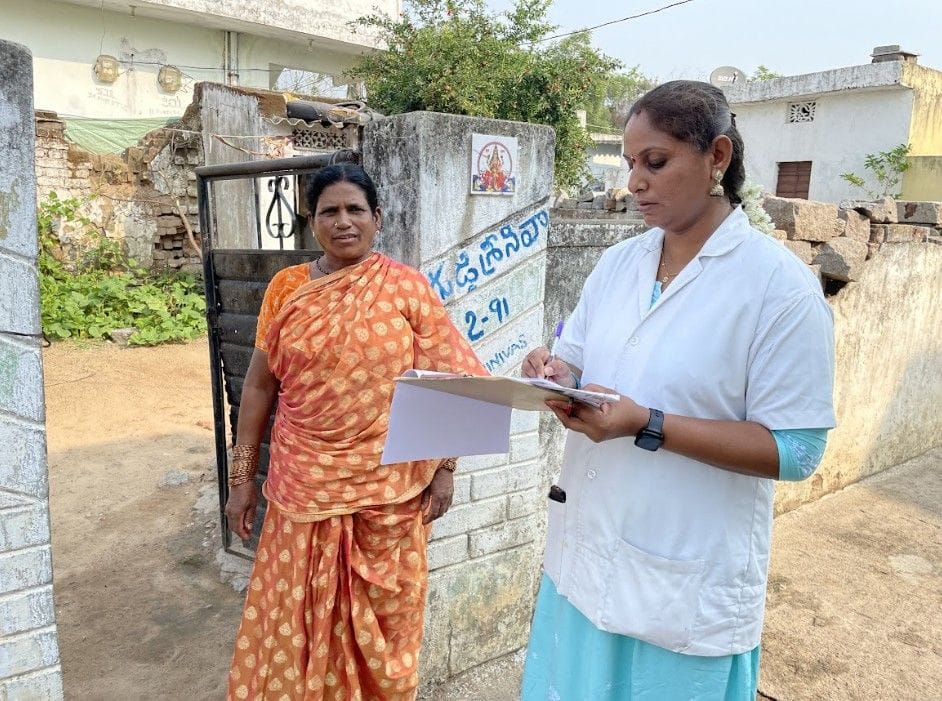
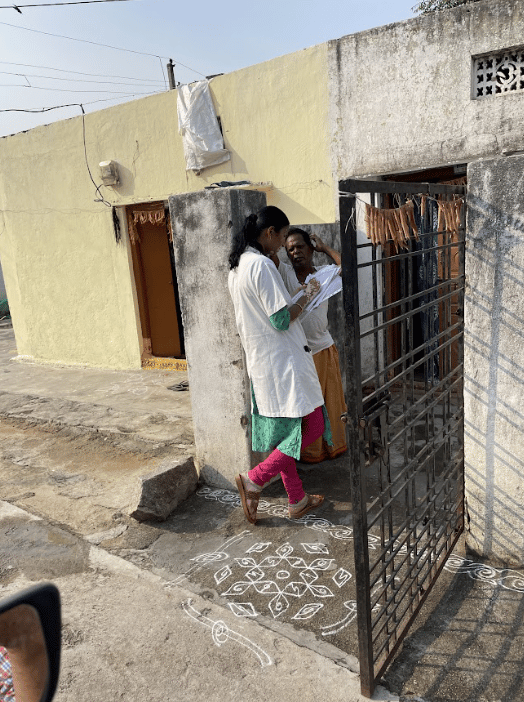
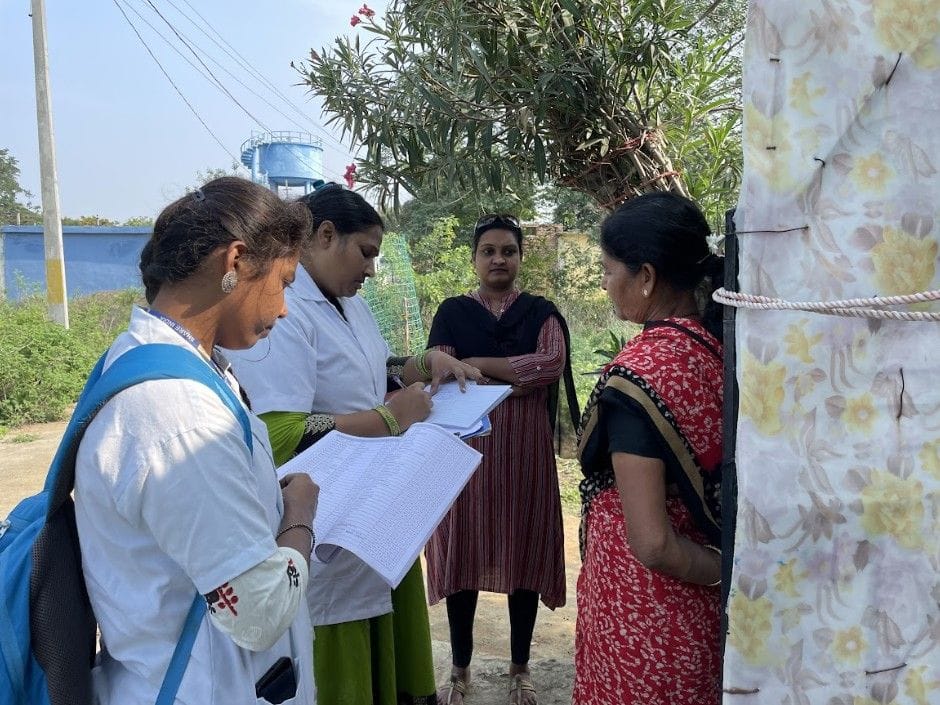
Current Status of the Project
Out of 387 fever cases identified during the study period, 200 cases (51.4 percent) were classified as acute febrile illness. Among these, 17 cases (8.5 percent) tested positive for dengue and 7 cases (3.5 percent) were positive for chikungunya, while no cases of typhoid or malaria were detected. One case each of scrub typhus and leptospirosis was identified, both occurring as a co-infection in the same individual. A total of 757 end line samples were collected over the course of the study.
Plaque reduction tests for chikungunya are completed and for dengue are in progress.