
MILES
Mobility and Independent Living in Elders Study

564
Total Enrolled Participants
1:1
Gender Balance Ratio
3
Completed Follow-up Visits
Overview
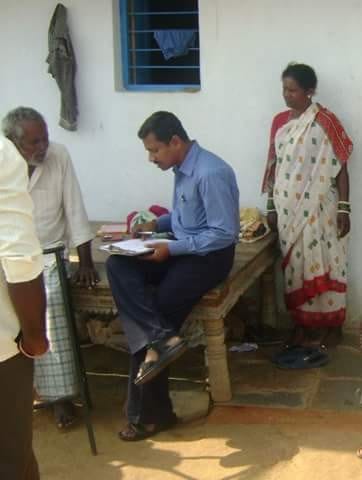
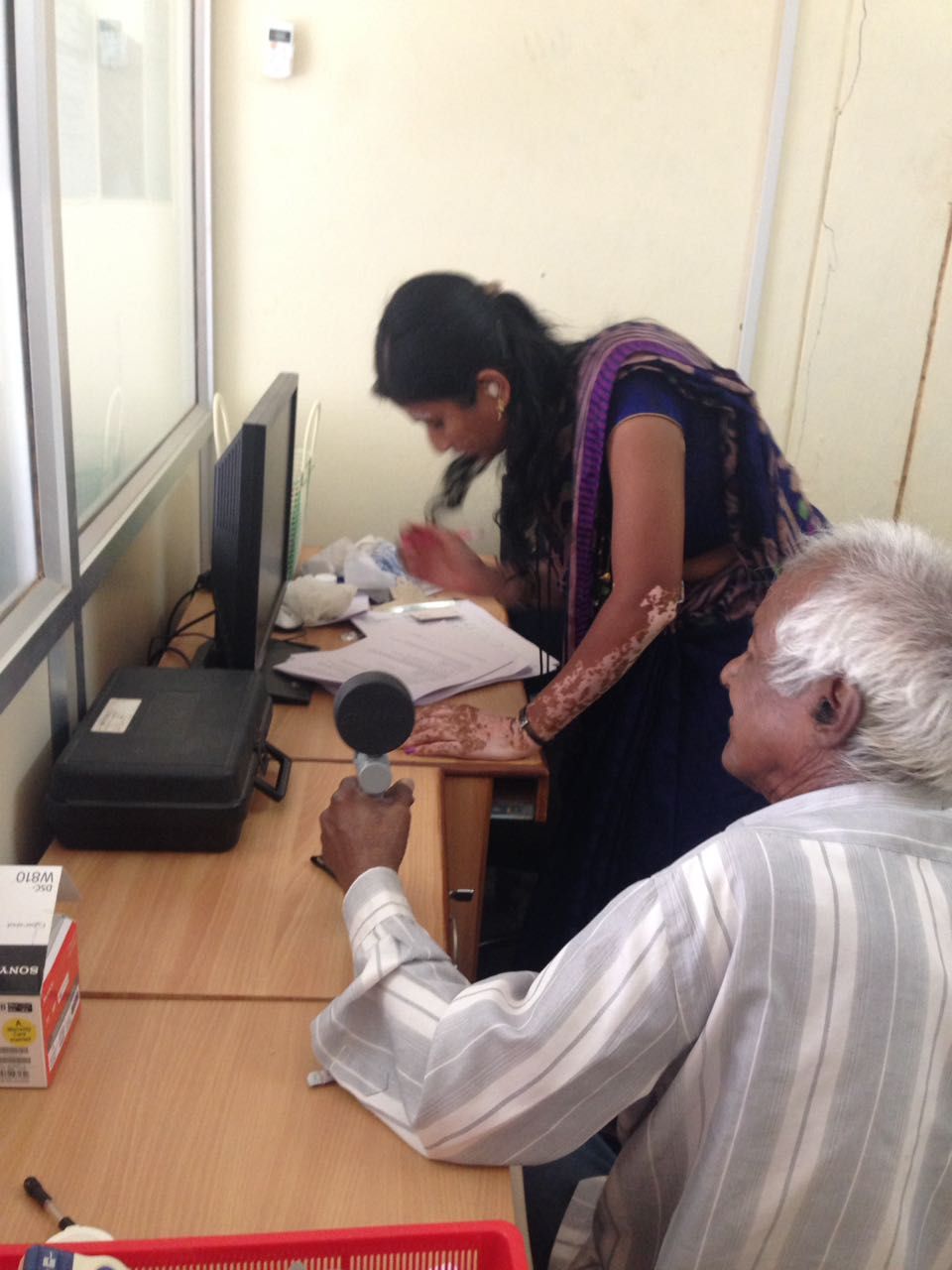
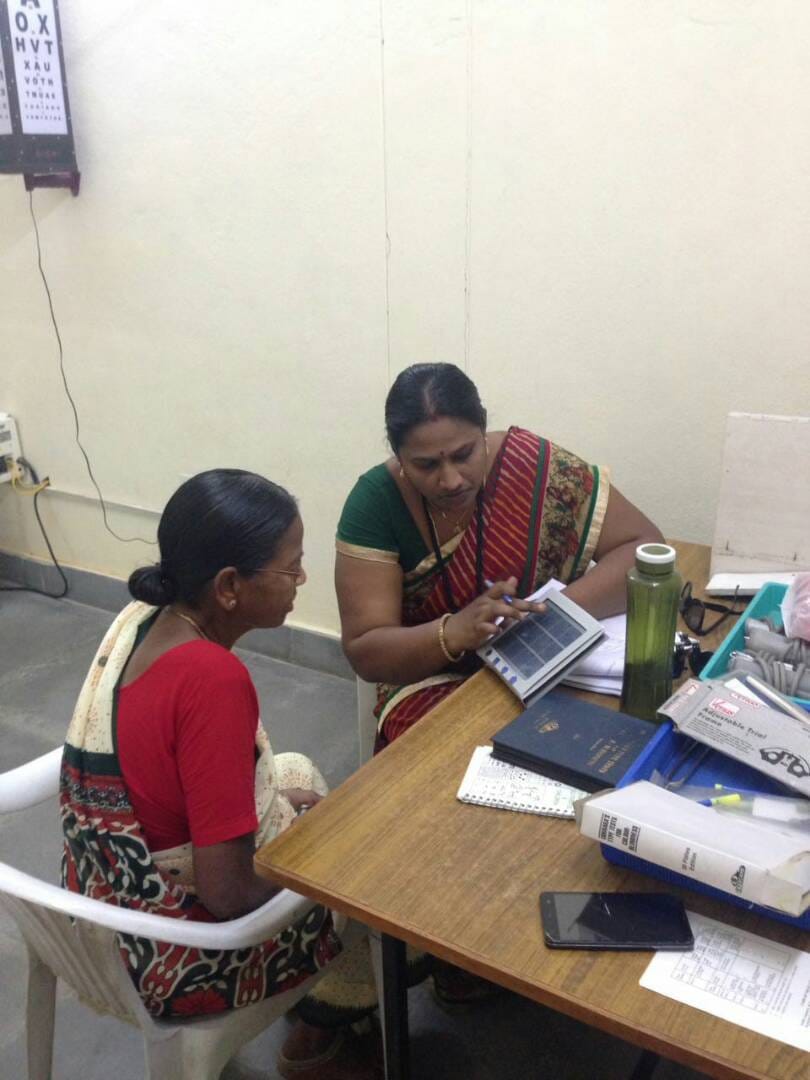
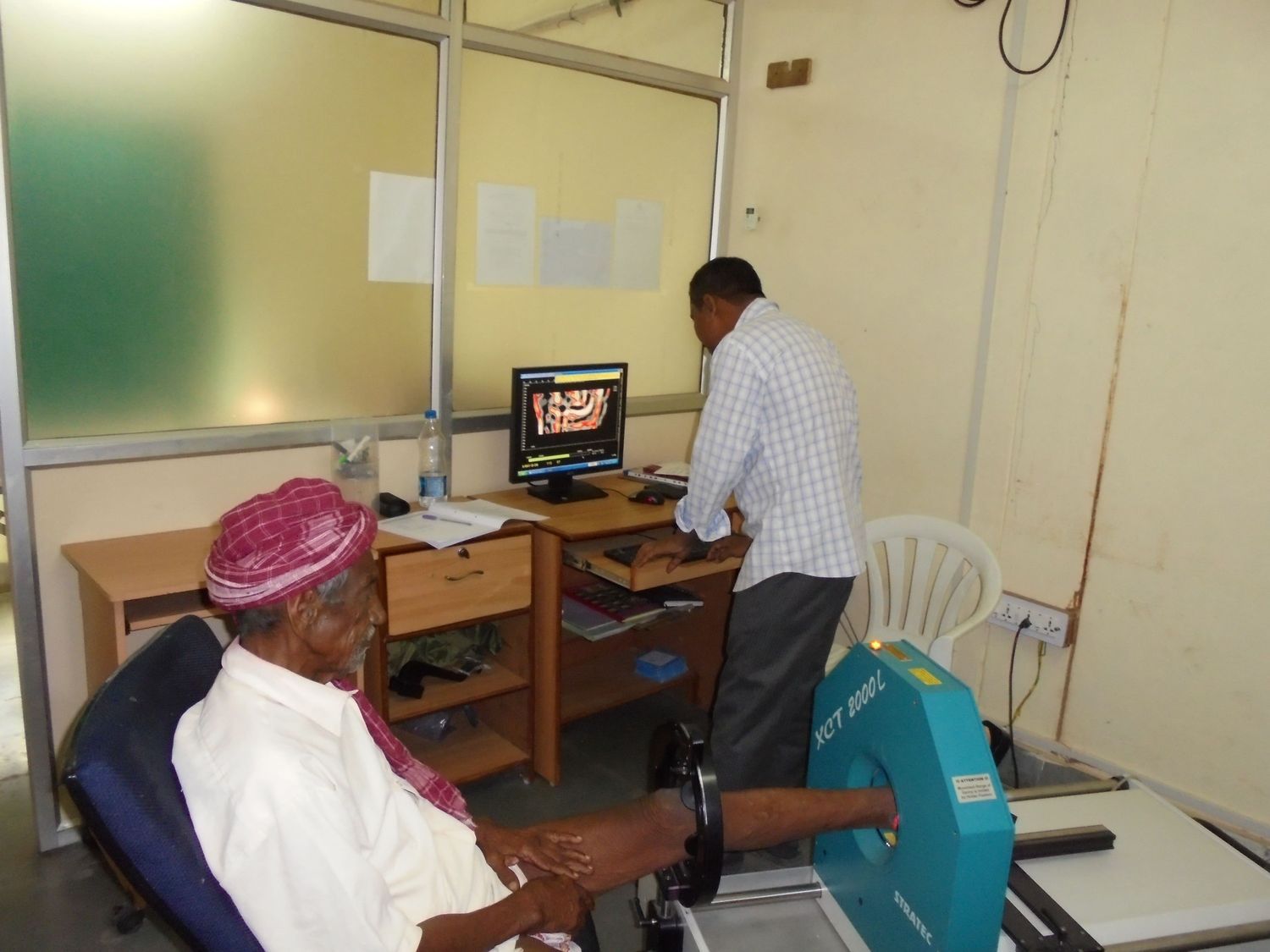
This longitudinal study, initiated in 2012, was designed to examine the burden of age-related chronic diseases and associated risk factors among older adults in rural India. The study was implemented in the Medchal region of Telangana, through collaboration between SHARE INDIA, MediCiti Institute of Medical Sciences, and the Graduate School of Public Health, University of Pittsburgh, USA. A comprehensive assessment approach was used, combining clinical evaluations, functional assessments, and laboratory investigations.
Aim
To understand the prevalence and determinants of age-related chronic diseases and mobility-related disability among older adults.
Objectives
The main objectives were to (1) determine the prevalence of age-related chronic disease and disability in elderly; (2) determine the prevalence of socioeconomic, psychosocial, behavioral, dietary, and environmental risk factors for age-related chronic disease and disability and (iii) determine the conditions that are most strongly associated with mobility disability, cross-sectionally and over the time. Measures were chosen based on a comprehensive model of major common chronic disease and disability, assessed with subjective and objective measures.
Results
- MILES was successfully established and completed 4 waves of data collection from 562 resident participants of 40 villages of Telangana, India. The last wave was concluded in 2017.
- The mean age of the 60 plus population in Medchal mandal was 68.6 years and in the sampled villages was 68.4 years. The mean age did not differ much between the Medchal mandal and sampled villages and the mean age of eligible respondents (67.8), and enrolled participants (67.6).
- We found, 16.07% men and 23.30% women had Diabetes; 48.8% men and 50.9% women had Hypertension; 25% participants had Cardiovascular Disease with men 24.6% and women 25.6%
- 25% of the participants reported Depression. It was higher among women (39.1%) than men (10.7%).
- 13% participants experienced Falls, women had more falls (17%) than men (8%) and Mobility disability was higher among women (43.8%) than men (27.9%)
- Bone Mineral Density was lower among our population compared to US-Caucasian and Afro-Caribbean population.
- MILES is novel and important in several ways, most notably in its extensive characterization of health, disease, and physical and cognitive function in a population based random sample of elderly from rural India.
- The study incorporates a mix of self-reported and objective measures, which allow us to assess clinical and subclinical disease and function, as well as the correlation between these measures in this population.
Conclusion
The study established a robust longitudinal platform for understanding chronic disease burden and functional decline among older adults in rural India. The comprehensive data collected is expected to inform strategies for preventing mobility disability and managing age-related chronic conditions.