
LIFE
Longitudinal Indian Family hEalth

1227
Enrollments of pregnant women
1275
Deliveries documented
642
Partners enrolled at baseline
Overview
The Longitudinal Indian Family Health (LIFE) pilot study was established in 2009. The goal of this study is to understand the link between the environment in which Indian women conceive, pregnancy, and child birth, physical and mental health along with the development of the child. The LIFE study has the potential to pinpoint the root causes of many conditions that are excessively prevalent in India today, including poor pregnancy outcomes (pregnancy loss, low birth weight, pre-term birth) and developmental disorders of childhood.
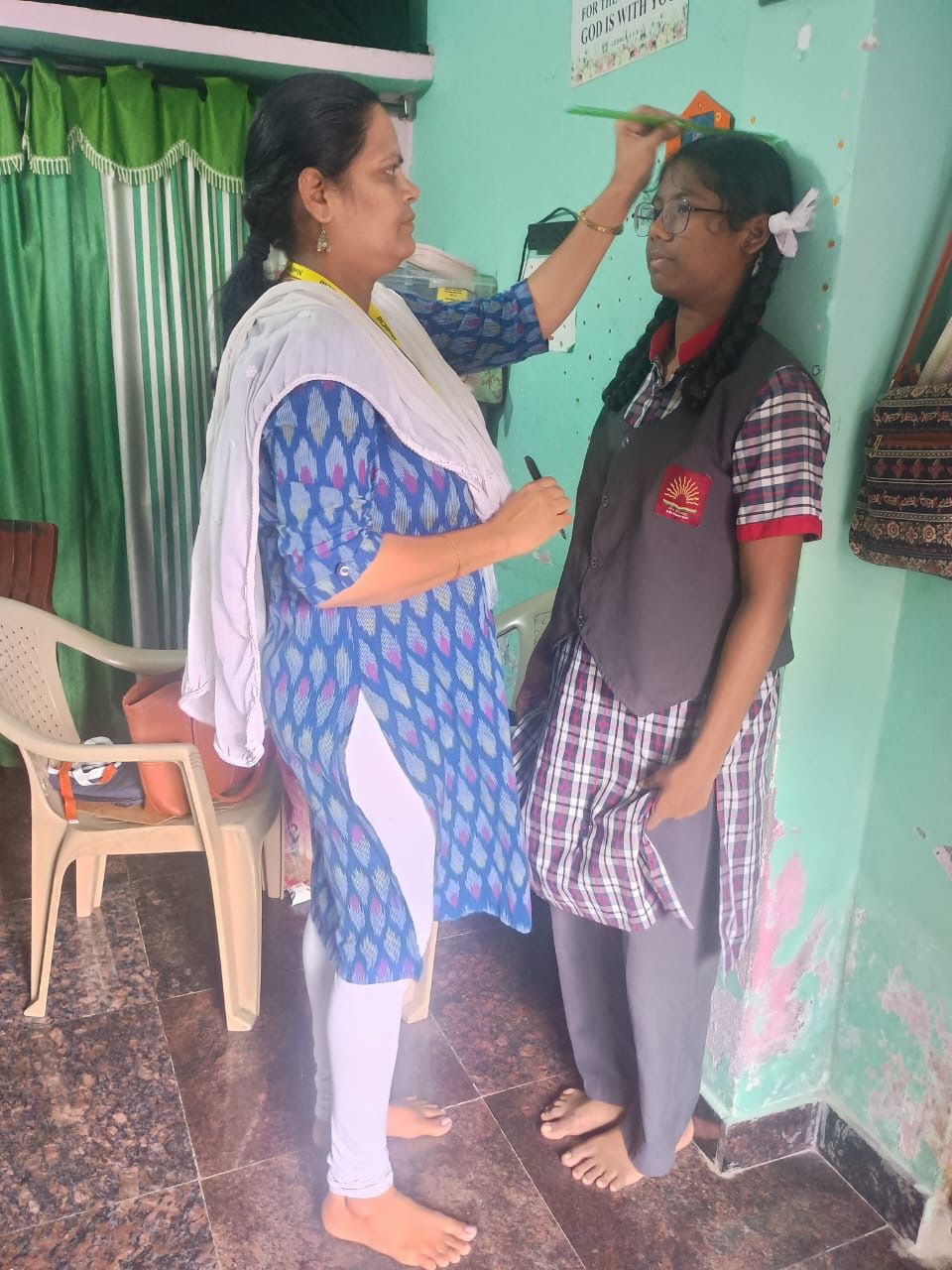
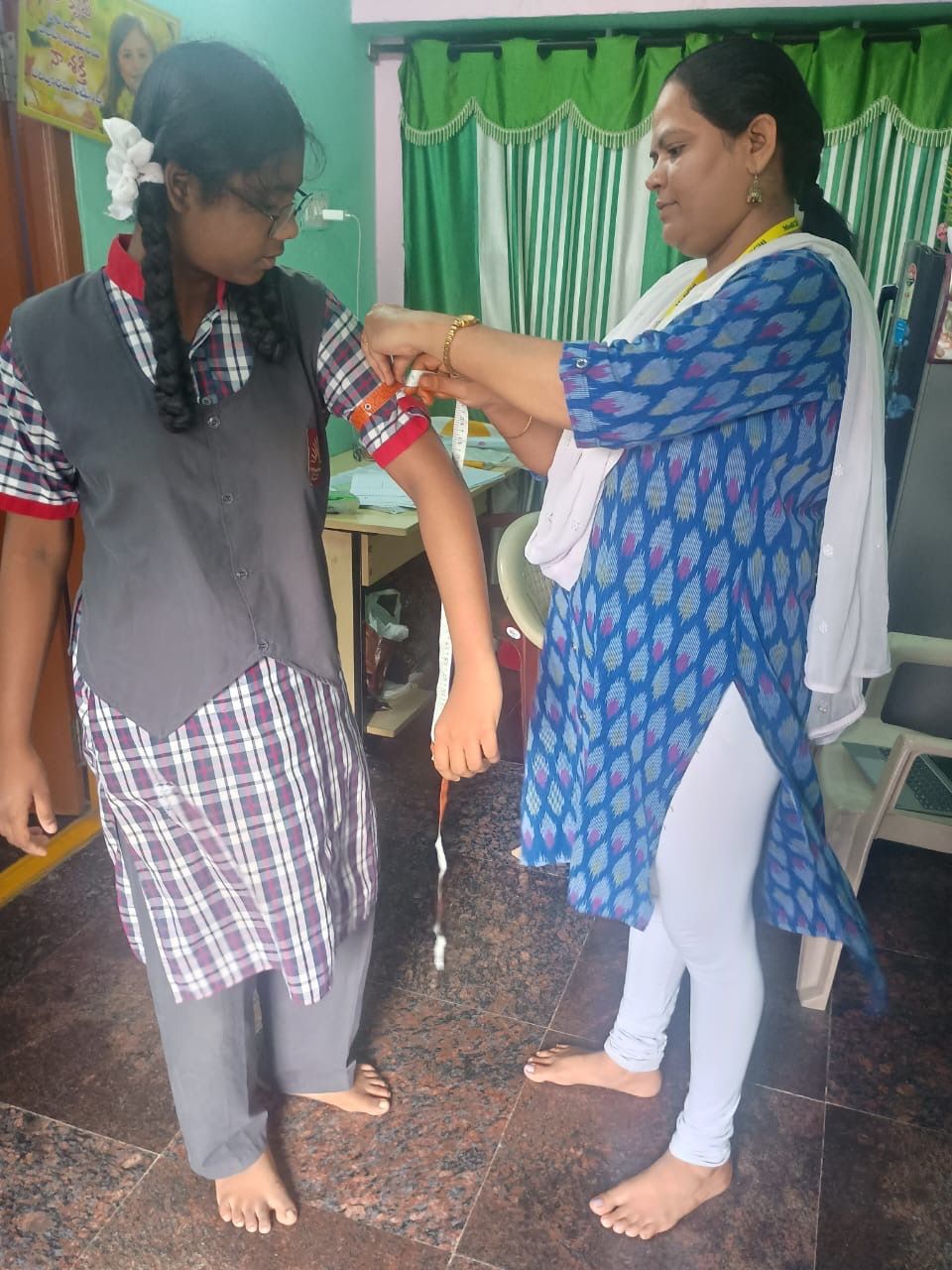
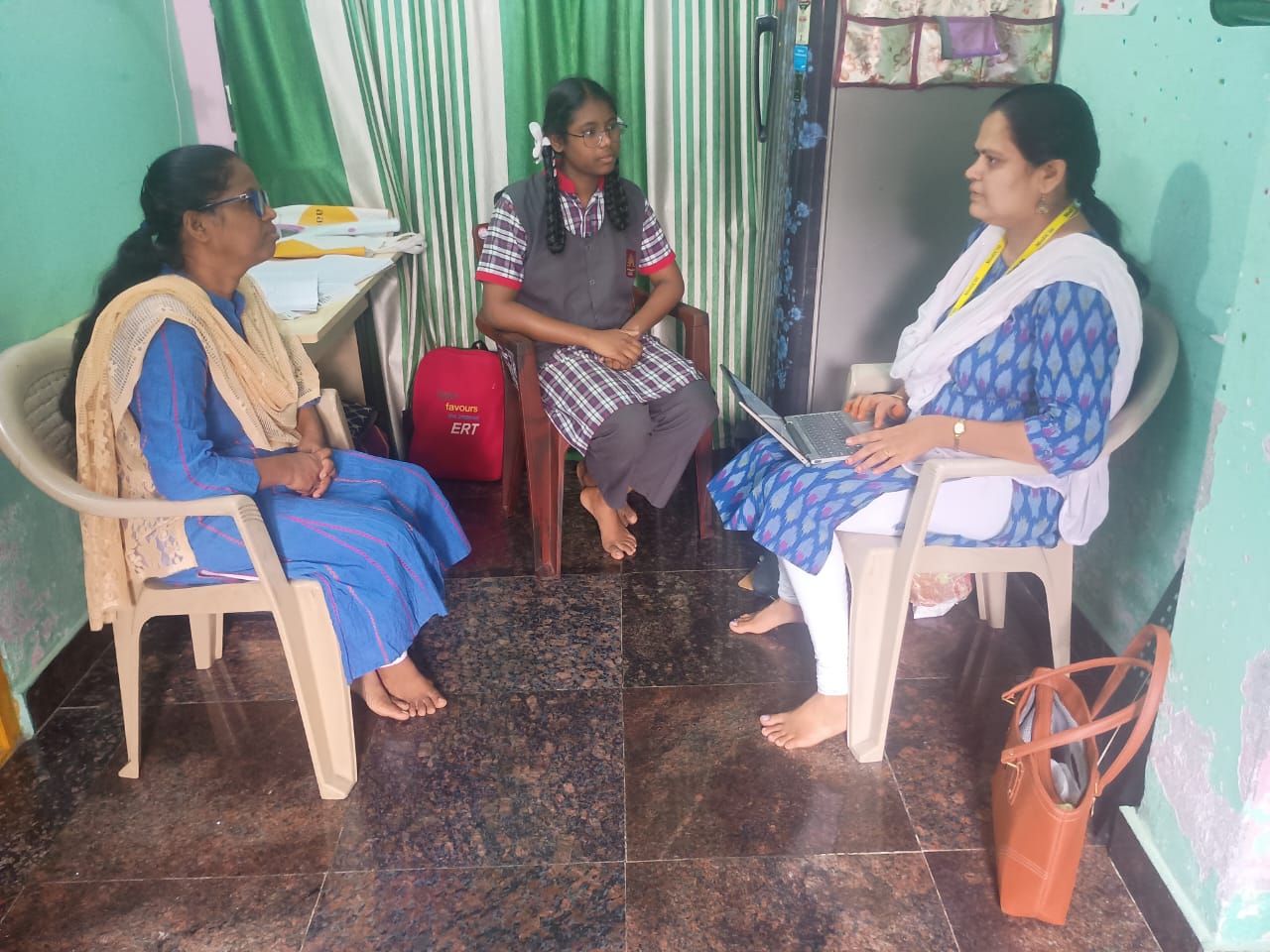
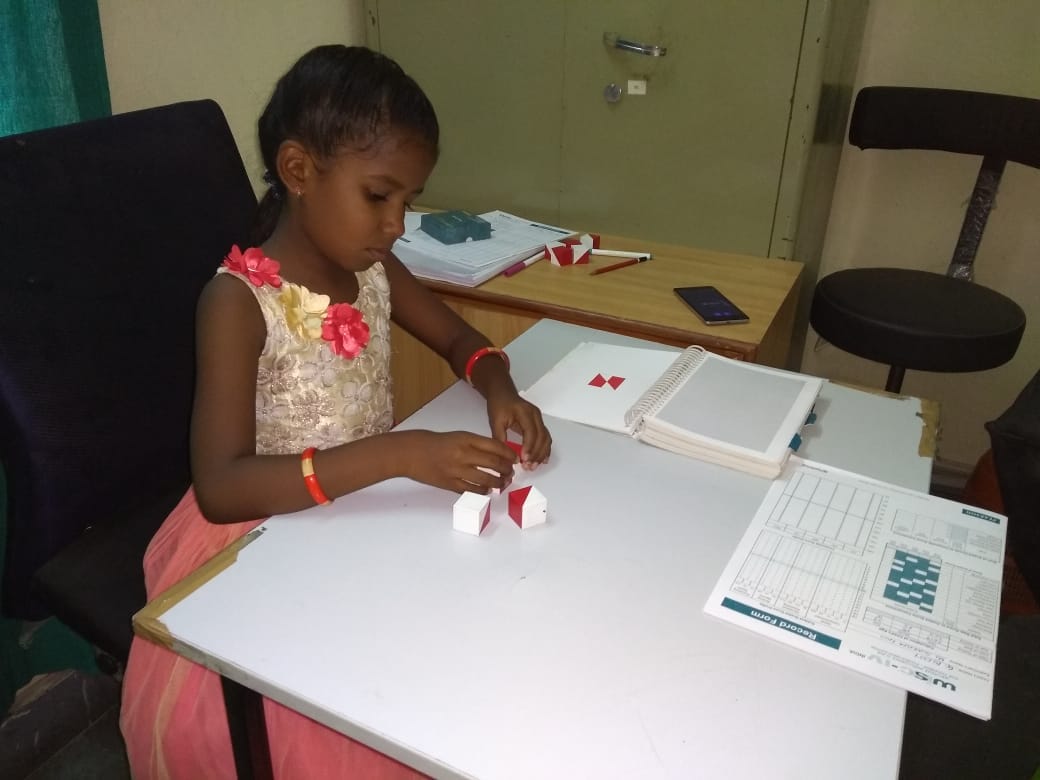
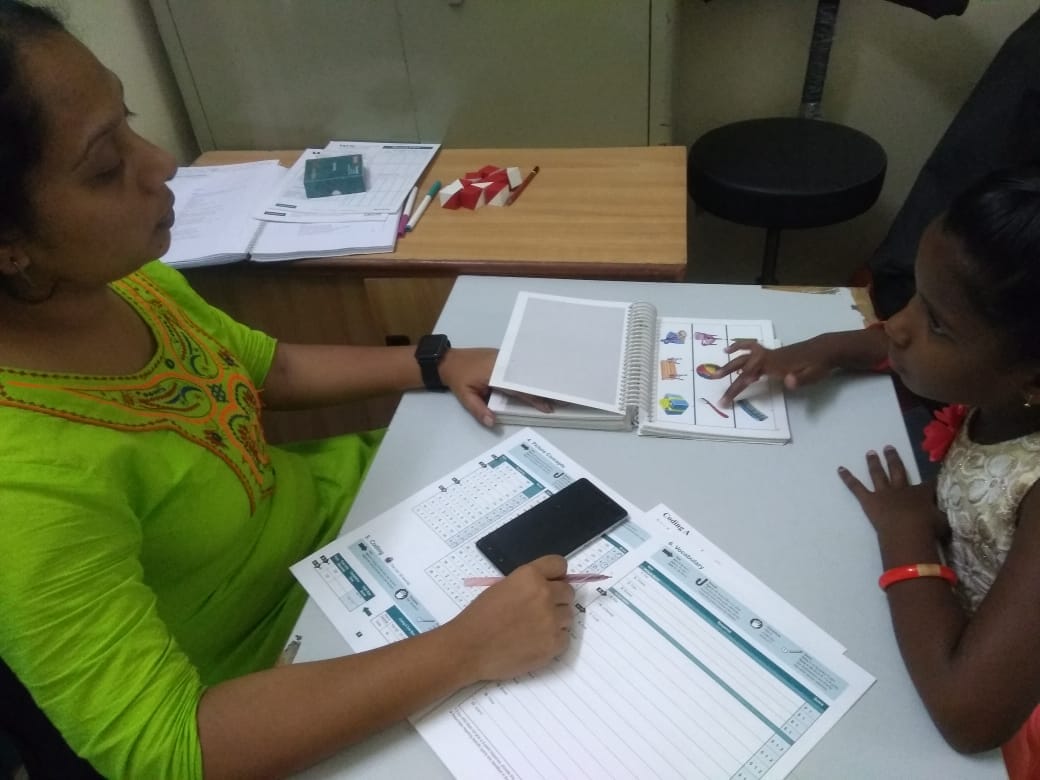
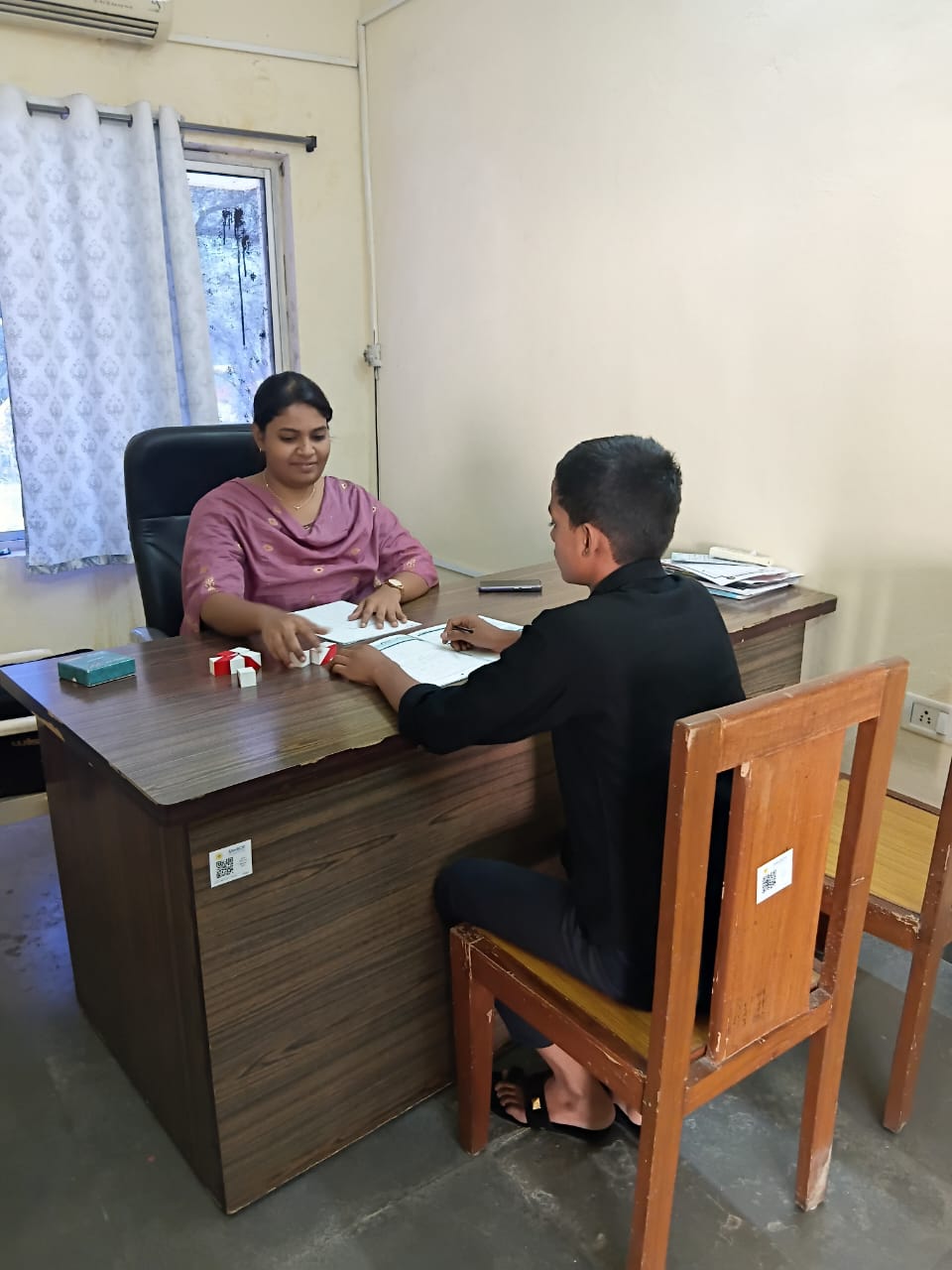
Women have been recruited either prior to their conception or within their first trimester of pregnancy (<14 weeks gestation). Anthropometric measures, biological samples (blood, urine, stool, vaginal swabs) and detailed questionnaires were completed during registration, the first and third trimesters, and at the delivery. Cord blood and meconium were collected at delivery. Anthropometric measures were collected for each child, along with a detailed health questionnaire and developmental assessment from 6 months to 16 years was carried out. At 6-7 years, a detailed examination was done and between 3-4 years (to know any mental health problem) and 8-16 years (a cognitive function assessment) by clinical psychologist by using WISC-IV modified India scale and also obtained anthropometric measurements and health questionnaires data for both mother and child. Questionnaires were administered for each pregnancy loss and infant or child death.
Aim
To understand the links between the environmental conditions in which Indian women conceive, become pregnant, give birth, the physical and mental health along with development of their children.
Objectives
Identify factors which contribute to the causation of low birth weight, maternal, fetal, neonatal, infant, childhood mortality, childhood disorders and diseases. Identify antecedents of cardio-vascular disease from pre-pregnancy through pregnancy and young adulthood in women.

Key Achievements
- One of India’s few cohorts beginning before conception
- Longitudinal follow-up of mothers and children into adolescence
- Integration of clinical data, biological samples, and developmental assessments
- Establishment of a large maternal-child bio bank supporting future research
Current Status of the Study
- 1227 women aged between 15 and 35 years recruited before conception or within 14 weeks of gestation.
- Baseline data were collected from husbands of 642 women.
- 1275 deliveries occurred.
- Women were followed through pregnancy, delivery, and postpartum.
- All the couple was followed between 5-6 years to assess their health problems, questionnaires were completed for each pregnancy loss and infant or child death.
- Children follow-up is ongoing and follow up visit from 06 months to 16 years were carried out.
- The developmental assessment was done every half yearly (6-24 months) and yearly
- (36-60 months) and at 6-7 years a detailed examination was done.
- Additional follow up visit were done between 3-4 years (to know any mental health problem) and 8-16 years (a cognitive function assessment) by Clinical psychologist by using WISC-1V modified India scale and also obtained anthropometric measurements and health questionnaires data for both mother and child.
- Sample collected at every visit were processed and stored at -80˚c.
- The Wechsler Intelligence Scale for Children (WISC-IV) fourth edition is being administered to evaluate cognitive functioning in two age groups i.e., 8-11 years and 12-16 years.
- Life bio bank has over 27,000 samples.