MS HIV
Metabolic Syndrome among People Living with HIV - An Indian Perspective

100% Tribal Community Focus
Underserved Population
High (Early-Stage Lifestyle Driven)
Preventable Risk Window
2 Key Factors
Natural Protective Factors
Overview
Metabolic Syndrome (MetS) is a cluster of metabolic abnormalities—including central obesity hypertension, dyslipidemia, and hyperglycemia—that increase the risk of cardiovascular disease and type 2 diabetes. While MetS prevalence in urban Indian populations is reported to be high (approximately one in three adults), limited data exist for tribal populations.
This study examined the prevalence of MetS among South Indian Chenchu tribal adults and evaluated dietary and lifestyle factors associated with MetS. The study also compared two commonly used diagnostic criteria—the Adult Treatment Panel III (ATP III) and the International Diabetes Federation (IDF) definitions—and assessed correlation with the Modified FINDRISC diabetes risk score.
Aim
To determine the burden of metabolic syndrome among People Living with HIV (PLHIV) and generate evidence to inform policy and programmatic responses addressing emerging non-communicable disease (NCD) co-morbidities.
Objectives
- To estimate the prevalence of metabolic syndrome among PLHIV enrolled in the study.
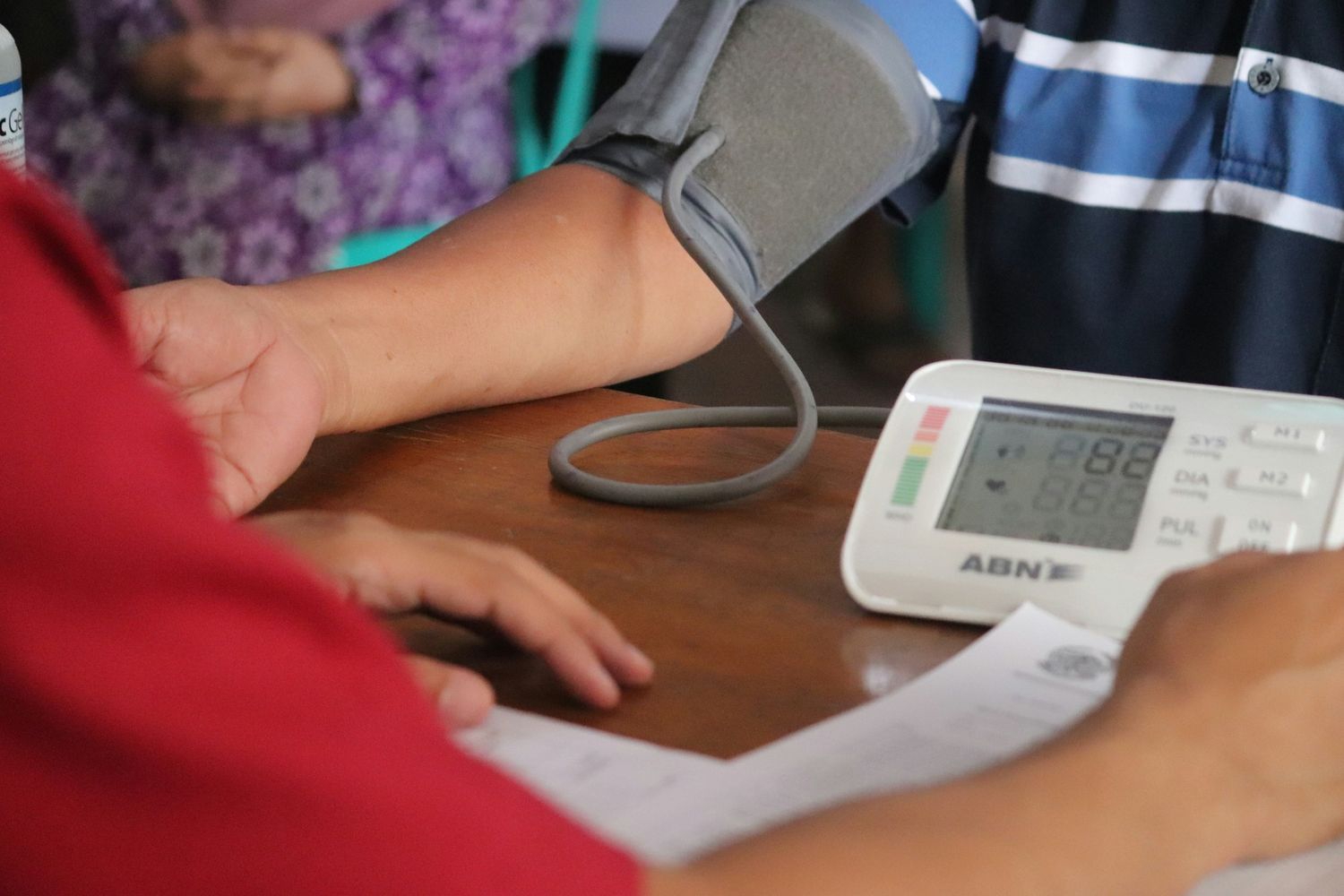
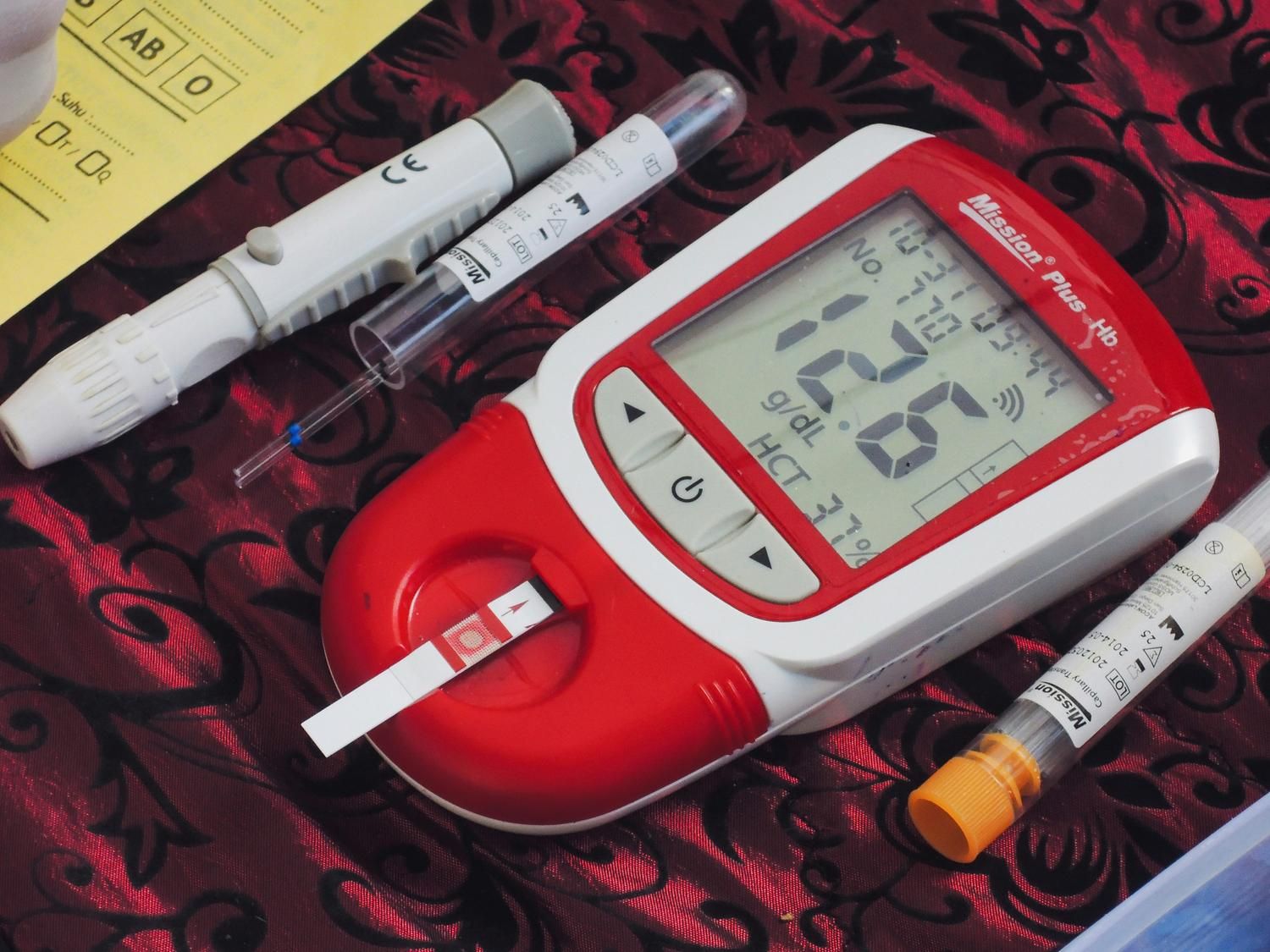
- To assess cardiovascular and metabolic risk factors including hypertension, blood pressure, lipid profile, creatinine levels, complete blood picture, height, and weight.
- To identify behavioral and clinical risk factors through structured questionnaires.
- To examine the coexistence of HIV and non-communicable disease risk factors to guide integrated care models.
- To generate evidence for policy recommendations on screening and management of NCDs among PLHIV.

Results
The prevalence of MetS was low:
- 6.5% using ATP III criteria
- 7.4% using IDF criteria
The study population demonstrated:
- High levels of vigorous physical activity (59.9%)
- High prevalence of a “vegetarian” dietary pattern (51.3%)
- Low average BMI (mean 20.5 kg/m²)
- Low self-reported diabetes (3.6%) and hypertension (4.5%)
Risk Factors Associated with Increased MetS:
- Increasing age
- Higher triglycerides and BMI
- Hypertension and T2DM diagnosis
- “Empty-calorie” dietary pattern
- High mutton consumption
Protective Factors:
- Vigorous physical activity
- “Vegetarian” dietary pattern
- Higher fruit and vegetable intake
- IDF criteria identified slightly more cases than ATP III.
- Modified FINDRISC showed low correlation with both ATP and IDF MetS definitions.
Conclusion
The prevalence of MetS among the South Indian Chenchu tribal population was substantially lower than that reported in urban Indian populations. This lower prevalence is likely associated with high physical activity levels and predominantly plant-based dietary patterns.
The IDF definition detected slightly more MetS cases than ATP III, indicating that the two criteria should not be used interchangeably in this population. Continuous monitoring of dietary transitions and lifestyle changes is essential to prevent a potential rise in MetS as nutritional patterns evolve.