Non Communicable Diseases
Research
REACH 2.0
Ongoing
Rural Effective Affordable and Comprehensive Health Care 2.0
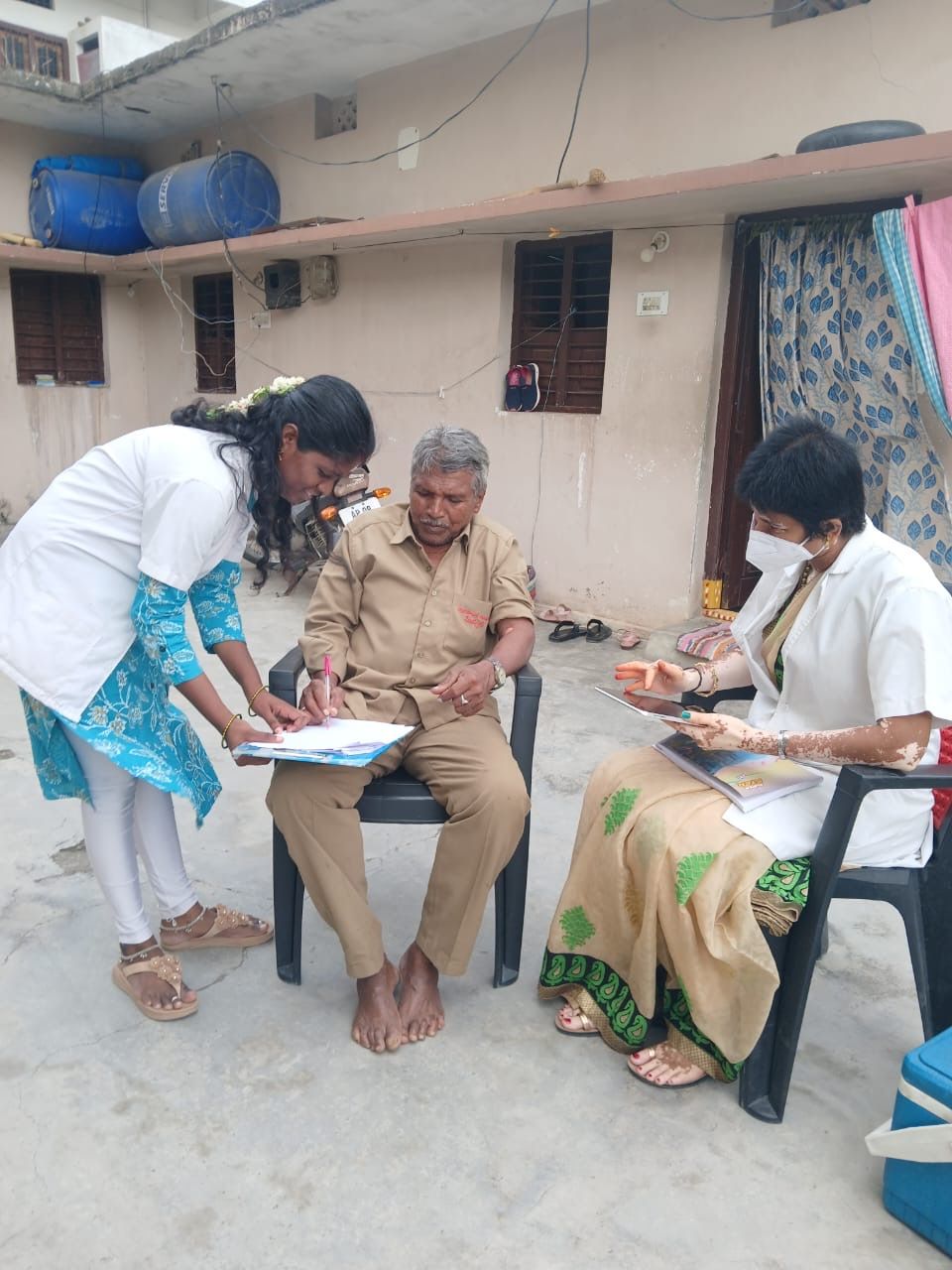
REACH 2.0 is a three-year strategic plan by SHARE INDIA to expand comprehensive non-communicable disease screening across 24 villages in Medchal through a structured, sequential rollout.

Maternal Child Health Reproductive Health
Research
LIFE
Ongoing
Longitudinal Indian Family hEalth
The Longitudinal Indian Family Health (LIFE) pilot study was established in 2009. The goal of this study is to understand the link between the environment in which Indian women conceive, pregnancy, and child birth, physical and mental health along with the development of the child.
Non Communicable Diseases
Research
STReTCH
Ongoing
Comprehensive Family-Based Screening, Management & Linkage Utilizing Molecular Diagnostics in a Rural, Underserved Community
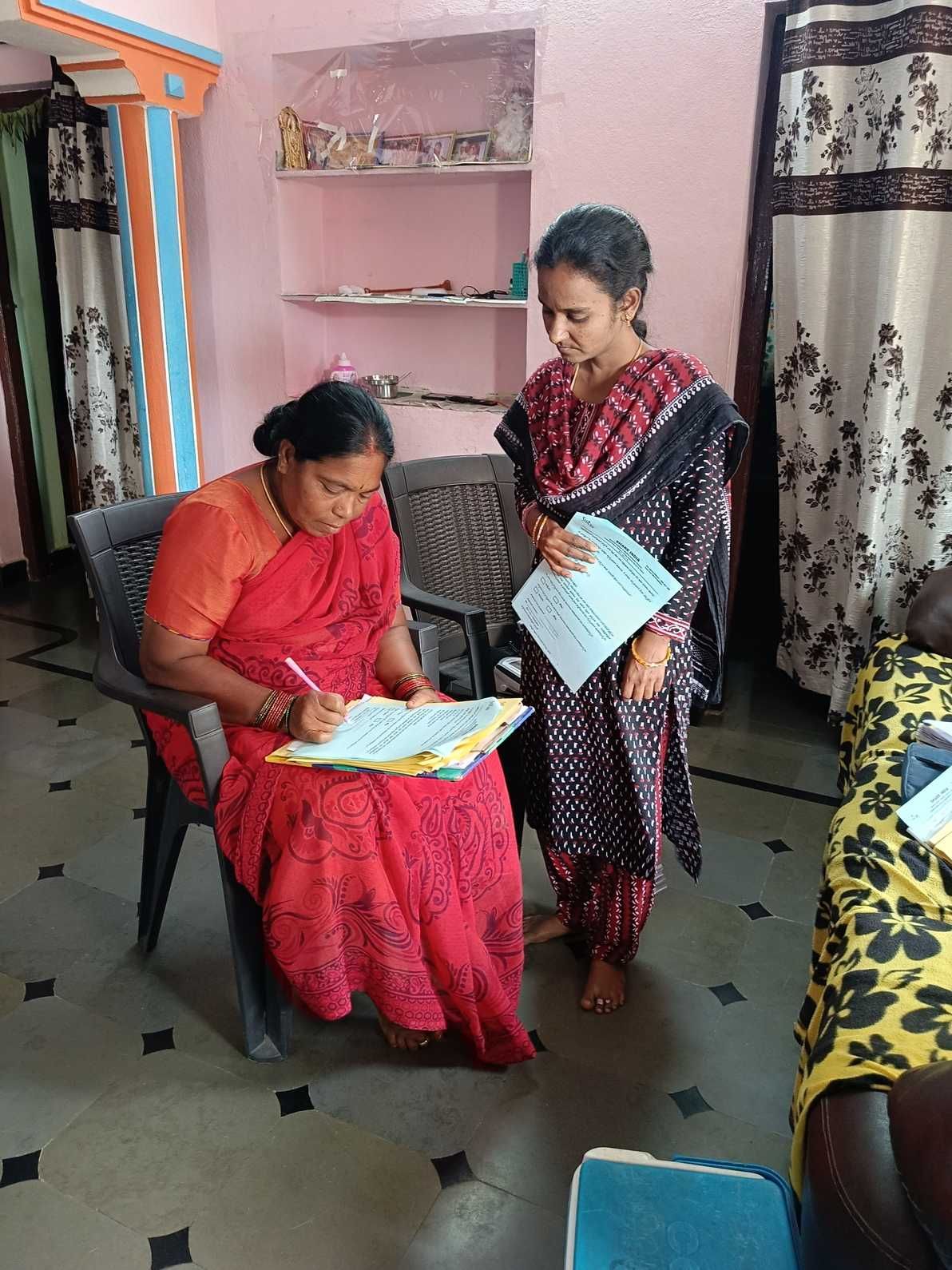
STReTCH is a community- and family-based screening program in rural Telangana that integrates molecular diagnostics to identify and manage hypertension, diabetes, tuberculosis, and cervical cancer.
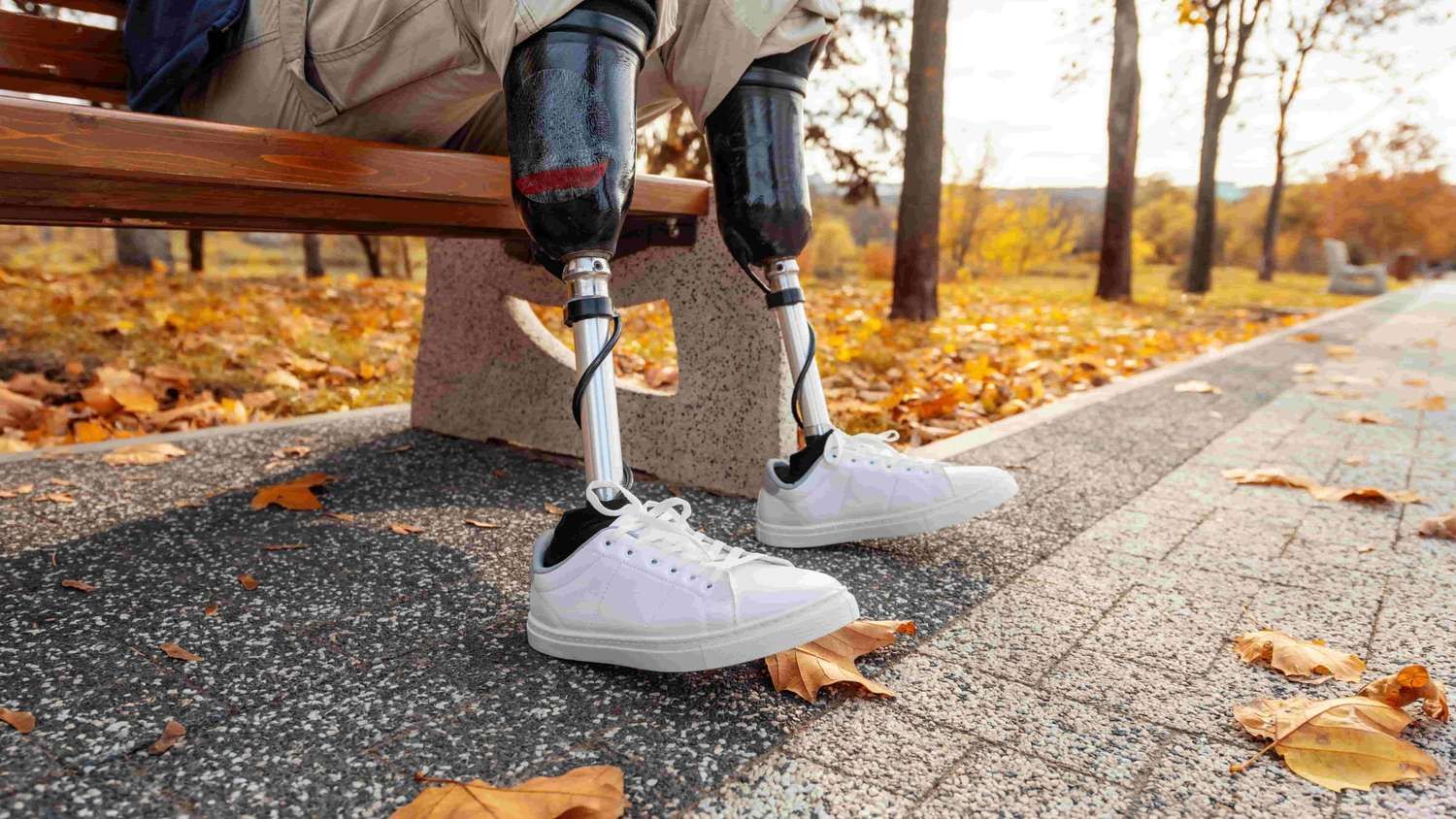
Photo by frimufilms on Freepik
Medical Devices
Research
POP
Ongoing
Prosthetics & Orthotics for the Differently Abled Program
The Prosthetics & Orthotics for the Differently Abled Program (POP) is an innovation-led initiative focused on developing affordable, customized prosthetic and orthotic solutions in India. By integrating digital technologies with clinical expertise, POP aims to restore mobility, independence, and dignity for persons with limb loss.
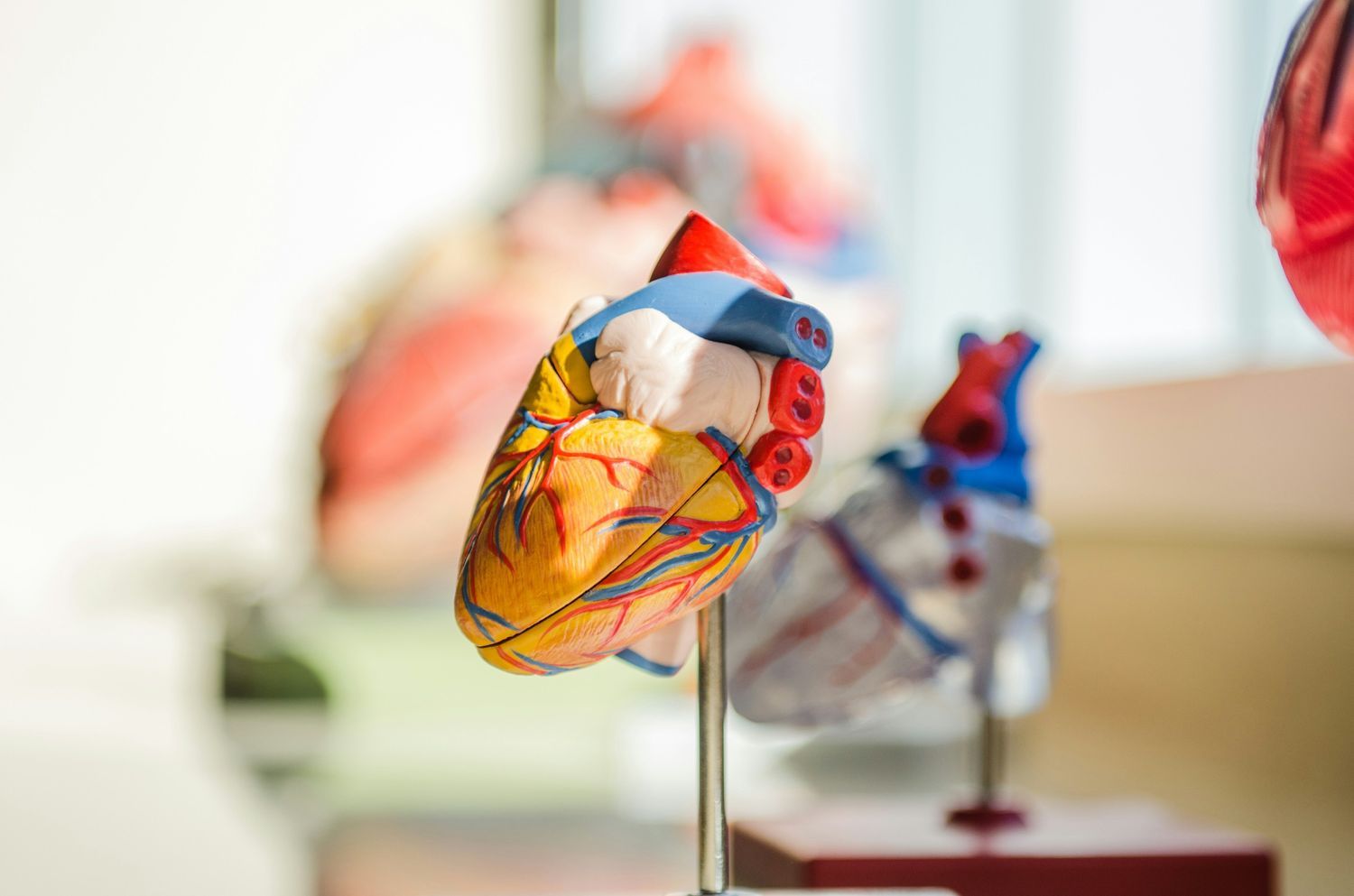
Photo by jesse orrico on Unsplash
Medical Devices
Research
AHP
Ongoing
Artificial Heart Program
Artificial Heart Program (AHP) is a flagship bio-engineering initiative by SHARE INDIA that brings together engineering institutes, medical institutions, and industry partners to advance the indigenous development of life-saving cardiac assist devices in India through collaborative, innovation-driven research.
Non Communicable Diseases
Research
GEO Health
Ongoing
Health Effects of Selected Environmental Exposomes Across the Life Course – India & US
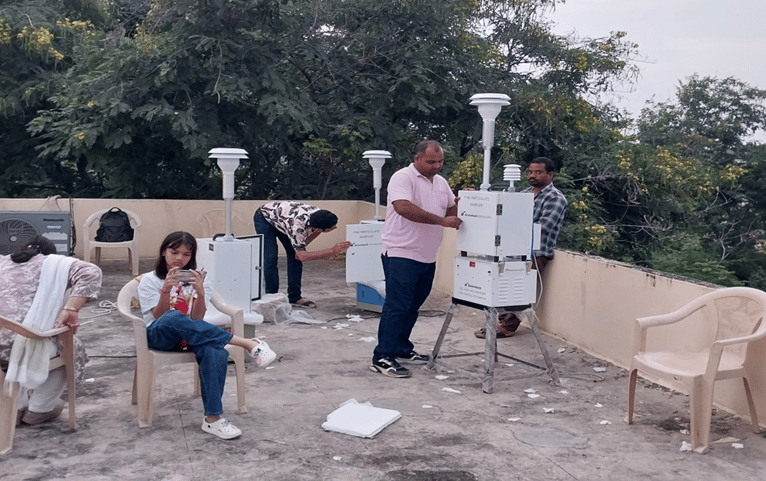
HEALS studies the impact of environmental exposures air pollutants (PM2.5, NO2, O3) and extreme temperatures on health across the life course in India and the US. The project combines high-resolution environmental data with multi-cohort health assessments to generate evidence for policy and preventive interventions.
Photo by Sovannkiry Sim on Unsplash
Maternal Child Health Reproductive Health
Research
CCCI
Ongoing
Cervical Cancer Care Initiative - HPV Vaccination Component
The Cervical Cancer Care Initiative (CCCI) is implemented in five villages of Medchal-Malkajgiri district, Telangana. The initiative combines formative research, advocacy, and community engagement to improve vaccine acceptance and cervical cancer prevention.