Success stories
Voices of the Community
From our outreach initiatives
A Mother's Gratitude
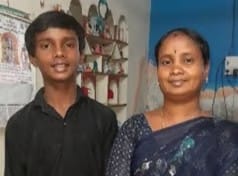
My name is Mrs. Rekha, and I come from Girmapur village. I was fortunate to be a beneficiary of the LIFE study. I gave birth to a baby boy through vaginal delivery at MIMS, with a birth weight of 2.75 kg. In his early years, my child experienced some health issues, but we did not take them seriously at the time.
When he turned six, the LIFE team visited our home. They inquired about his overall well-being, measured his height and weight, and conducted blood tests. Soon after, they informed us that his thyroid levels were unusually high and advised us to visit MIMS for further evaluation.
Following their guidance, we consulted a pediatrician at MIMS who prescribed thyroid medication and iron, and also provided dietary advice. Within a month, we noticed significant improvement in our child’s health. After a follow-up test, the dosage was adjusted, and he now takes a regular dose of 50 micrograms daily.
Today, my son is doing well in school and is both active and thriving.
We are immensely grateful to the LIFE team for their continuous care and support, not only during my pregnancy but also in caring for my child. This condition would not have been diagnosed early if not for their diligent follow-up of children born into the LIFE study.

Survival Against All Odds
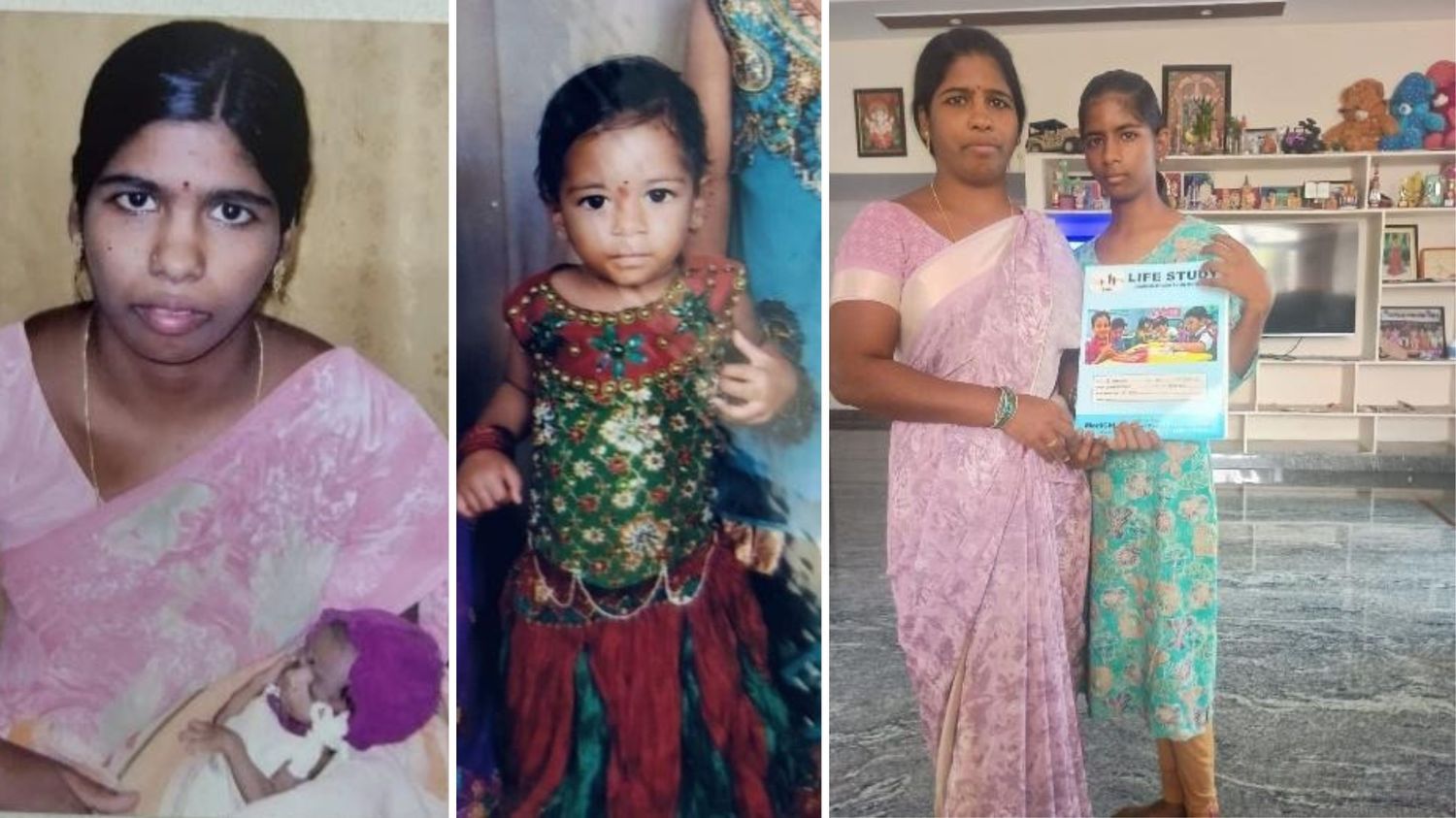
My name is Mrs. Swapna, and I am from Muneerabad village. I was enrolled in the LIFE study during the early weeks of my pregnancy and received regular antenatal care at MIMS. At seven months, I was diagnosed with high blood pressure and admitted to MIMS for monitoring. Despite being prescribed two medications, my blood pressure remained uncontrolled, and after 15 days of observation, I underwent an emergency caesarean section.
I gave birth to a baby girl weighing just 800 grams. She was cared for in the NICU for 20 days and discharged with detailed instructions for her care. The LIFE team continued to support us through regular home visits, closely monitoring her growth and development. Although her milestones were delayed during the first six months, she showed remarkable catch-up by the end of her first year.
Despite discouragement from relatives and neighbors who doubted her survival, we followed the guidance of the dedicated doctors at MIMS with unwavering commitment. Today, my daughter is 13 years old—healthy, thriving, and excelling in school.
I am deeply grateful to the LIFE team and MIMS for their compassionate care and support. Their efforts gave my daughter a chance at life, and I could not be happier or more thankful.


A Journey of Hope
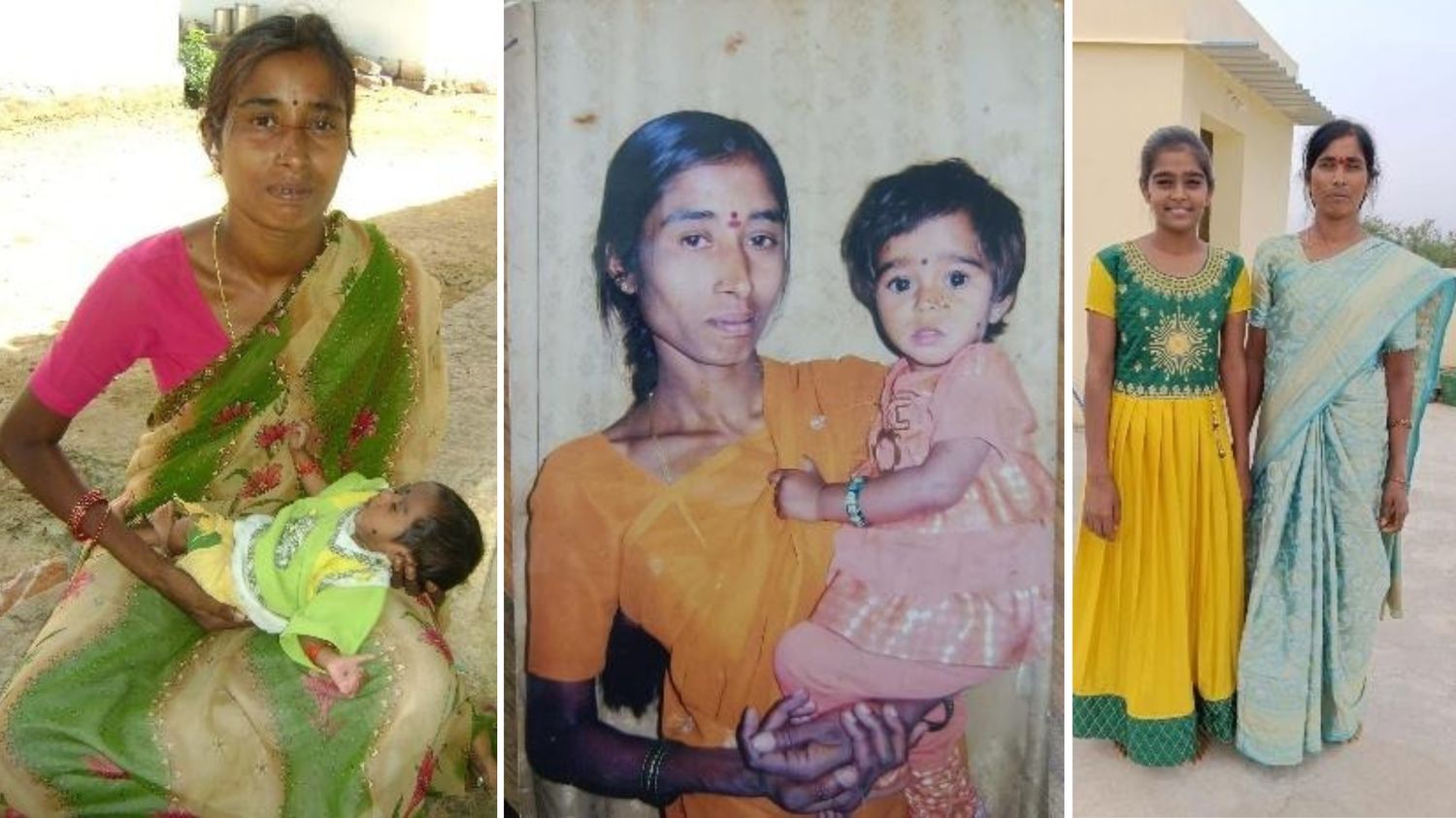
I am Mrs. Lavanya from Ghanpur village, and I was fortunate to be a beneficiary of the LIFE study in 2010. That same year, I gave birth to a baby girl at MIMS through vaginal delivery. She weighed only 1.5 kilograms at birth and was diagnosed with a congenital condition—she had no opening to pass stool.
On the advice of the doctors at MIMS, we admitted her to Niloufer Hospital the very next day. Within two days, she underwent her first surgery, during which the doctors created an alternate passage for stool and attached a colostomy bag. This was followed by two more surgeries—one in 2011 and another in 2013. The final procedure successfully closed the temporary opening, allowing her to pass stool normally.
Throughout this challenging journey, the LIFE study team stood by us—not only providing medical supervision but also offering consistent moral support. Their presence gave me strength during some of the most difficult moments of my life.
Today, my daughter is 15 years old and thriving. She is currently studying in Intermediate First Year. I am deeply grateful to the LIFE study team for walking with us on this path and helping us reach where we are today.


Restoring Faith in Treatment and Life
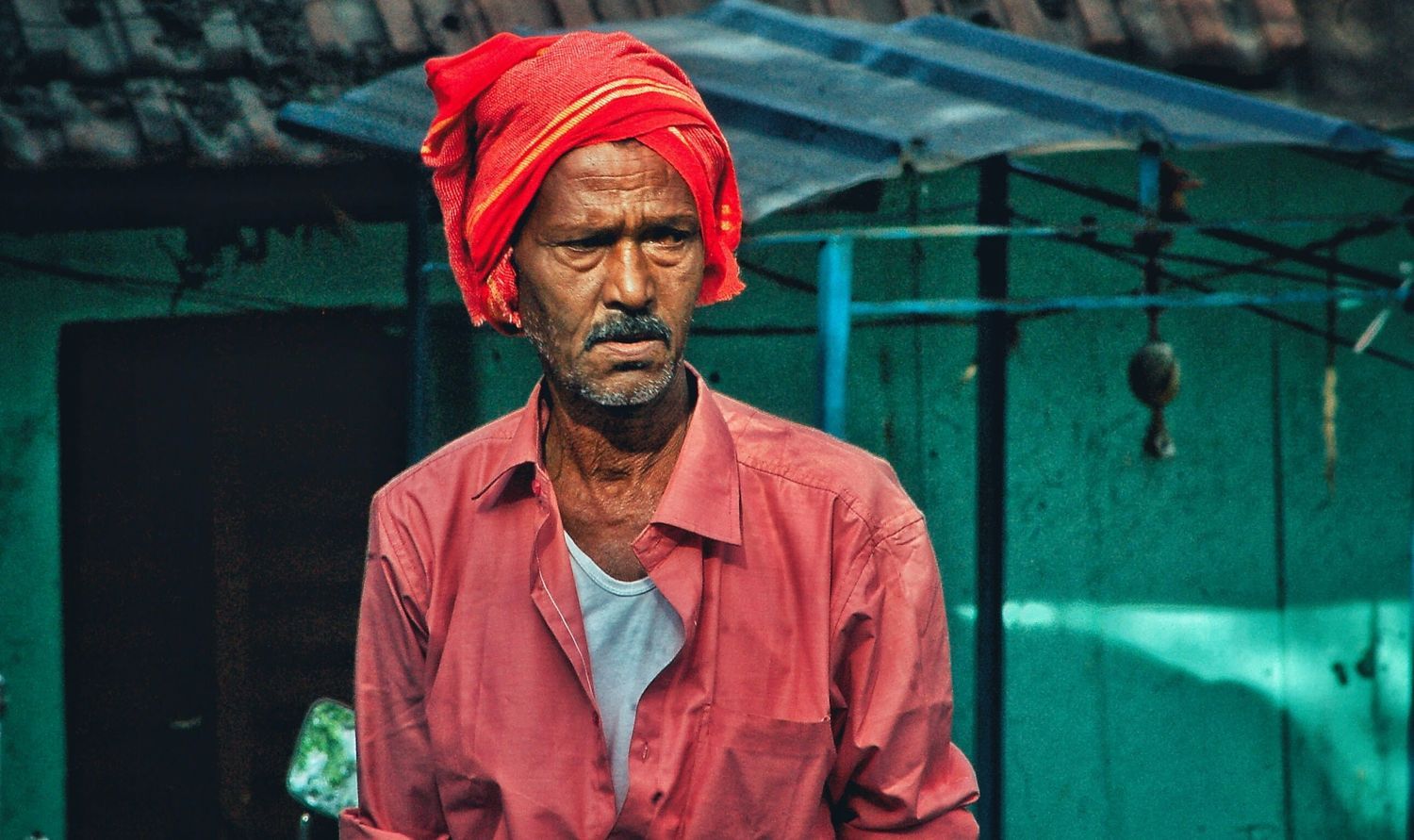
My name is Narasimha Reddy from Srirangavaram Village. I am grateful to have participated in the TOPSPIN Clinical Drug Trial for hypertension, which has greatly improved my health. Having lost faith in allopathic medicine earlier—after witnessing a relative’s struggle with uncontrolled diabetes—I was relying only on herbal remedies. However, during the TOPSPIN screening in October 2024, I discovered that my blood pressure and sugar levels were dangerously high. With persistent guidance from the program team and doctors at MediCiti Hospital, I underwent thorough evaluation, counselling, and treatment, which restored my confidence in modern medicine.
Throughout the six-month study, my health was closely monitored with the help of 24-hour ABPM device (Ambulatory Blood Pressure Monitoring), regular follow-ups, medication adjustments, and even transportation support from the team. By the end of the trial, my blood pressure was well controlled, and I was provided with a plan for continued management. I sincerely thank the MediCiti doctors and the TOPSPIN project team for their care, encouragement, and dedication, which not only improved my health but also changed my outlook on treatment and quality of life.
My Journey of Healing: Living Through Typhoid with Support and Care
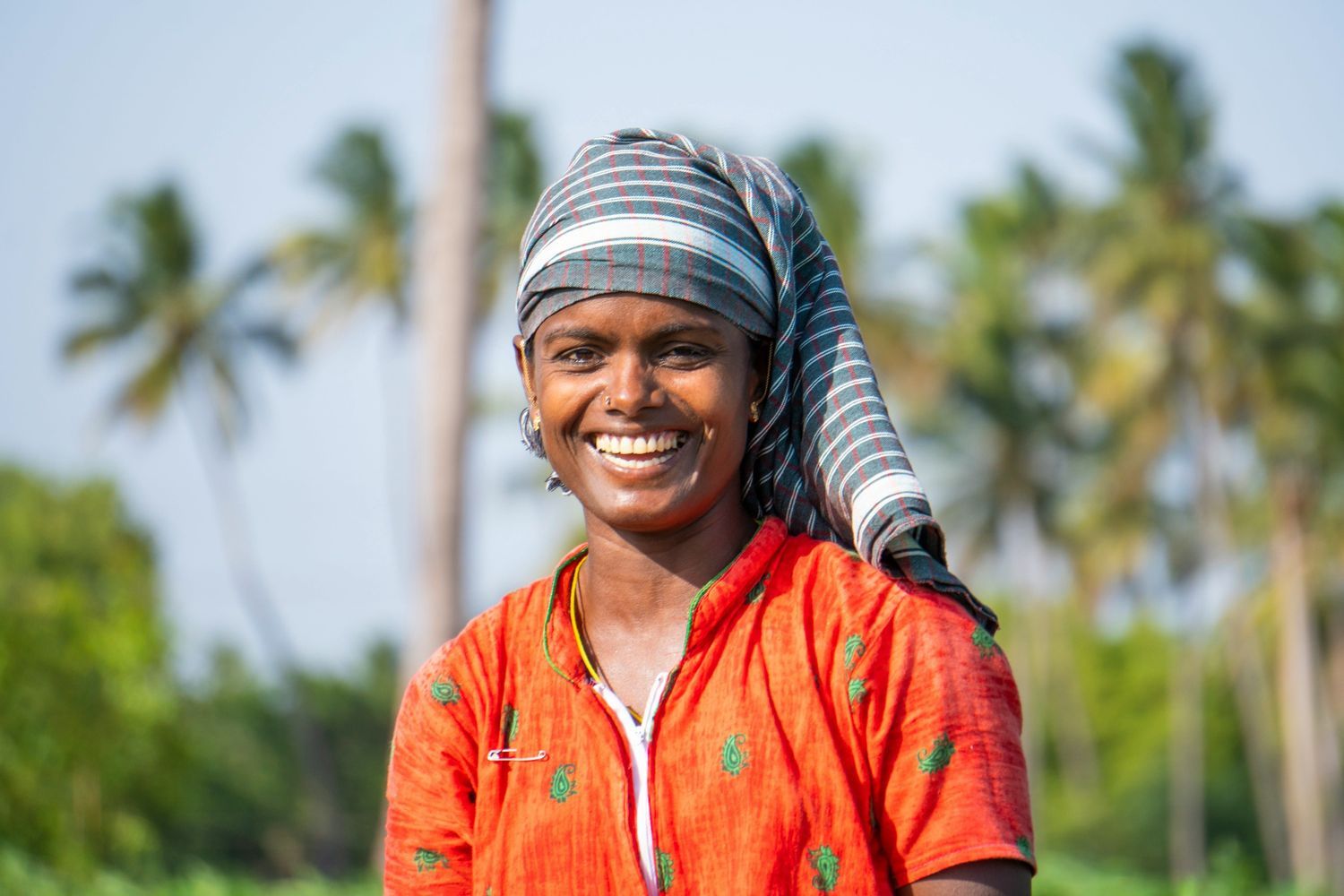
I was diagnosed with typhoid under the NBM AFI Surveillance Project in Basaragadi village and was referred to a nearby private clinic for treatment. It was a worrying time for me and my family, but I never felt alone because of the regular follow-ups and the care extended to me.
Throughout my illness, my blood pressure (BP) and random blood sugar (RBS) were closely monitored to ensure that any health risks were identified early. I was guided on how to take my medicines on time, reduce salt in my food, stay hydrated, and avoid self-medication.
My family also received counselling on simple but important practices such as maintaining household hygiene, drinking safe water, and preparing nutritious meals. This not only reassured us during my recovery but also helped us understand how to prevent reinfection and protect other family members.
Looking back, what made the biggest difference was not just the medical part of my care but the support, guidance, and respect we received. It turned a difficult period into a learning experience for both me and my family, giving us strength and awareness that will stay with us for the future.
Case Reports: PLHIV and TB
From Hardship to Hope
NISCHIT Plus: HIV-TB Treatment
SHARE INDIA, through the NISCHIT Plus project, works with the Andhra Pradesh State AIDS Control Society to support people living with HIV (PLHIV). The project helps ensure that people get treatment quickly, stay on their medication, and receive regular health check-ups to keep their viral levels low.
It also strengthens care for those who have both HIV and TB and facilitates screening and management of non-communicable diseases (NCDs) such as hypertension, diabetes, and cancer to improve quality of life and reduce illness. All these efforts contribute towards the larger goal of ending HIV in India by 2030.
The project trains healthcare staff, improves the quality of services, and monitors patient outcomes to prevent treatment interruptions and reduce illness and death. It uses data and research to guide decisions, improve policies, and make HIV care more effective, sustainable, and patient-focused.
The Story of Shaik Malini: A Journey of Resilience
Shaik Malini, a 45-year-old widow from Chebrolu Village in Guntur District, Andhra Pradesh, has faced a lifetime of challenges. She works tirelessly as the sole breadwinner, earning a modest Rs. 200-300 daily at the fish market to support her family. Her responsibilities are immense, including caring for her 90-year-old ailing mother and managing the emotional toll of her son’s alcohol addiction. Despite her determination, life has often tested her resilience.
Malini began ART in 2017. However, in August 2022, she stopped visiting her ART center due to persistent side effects from the medication, such as severe drowsiness and fatigue, which affected her ability to work. Her struggles were further compounded by financial hardships, including out-of-pocket expenses, travel costs, and lost wages. With her focus on basic survival—food, shelter, and clothing—health became a lower priority. Feeling overwhelmed and doubtful about continuing treatment, Malini found herself lost to follow-up (LFU).
A Health Setback: Lost to Follow-Up (LFU)
Help came in the form of SHARE INDIA’s Outreach Worker (ORW), who made several visits to Malini’s home. Initially, Malini resisted returning to treatment, but Sujatha’s persistence, coupled with counselling from the staff, eventually convinced her of the importance of ART for her health and her family’s future. On July 2024, Malini revisited the ART center for check-up. With the empathetic counselling and welcoming approach of the ART staff, Malini felt reassured and supported. Their efforts helped her regain trust in the treatment, and she committed to taking her ART in the morning—a change that fits her routine.
Holistic Support Beyond Clinical Care
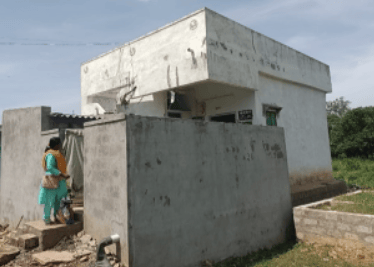
Recognizing that Malini’s struggles extended beyond her medical condition, SHARE INDIA adopted a holistic approach to address the broader social determinants affecting her health. Through a collaborative effort, Malini transitioned from a dilapidated thatched hut to a permanent concrete home under the Pradhan Mantri Awas Yojana (PMAY) housing scheme, supported by government funds and crowdfunding.
Financial security came through her enrolment in State Government’s widow pension scheme, while local donors facilitated by SHARE INDIA provided monthly rations to ease her financial burden. Additionally, Sujatha ensured that ART medication was delivered to her home and provided ongoing motivation to help her stay on track.

Conversations with outreach workers

Living conditions before

Living conditions after
Tuberculosis
SHARE INDIA is strengthening India’s fight against TB by improving infection prevention and control (IPC) practices to protect both patients and healthcare workers. The project works across all levels of the health system—primary health centers, district hospitals, and medical colleges—to ensure TB is identified early, prevented, and managed effectively.
Hundreds of health facilities now follow standardized IPC measures, with regular assessments to track progress. Healthcare workers are also screened and offered preventive therapy to reduce their risk and keep them safe. TB screening is being expanded in schools, Anganwadis, and high-burden communities, with special efforts to detect TB early in children. Innovative tools like AI-based chest X-rays, advanced diagnostic tests, and holistic support services are improving TB case finding, prevention, and treatment adherence.
Through these initiatives, SHARE INDIA is helping reduce the spread of TB, safeguard healthcare workers and families, and move India closer to a TB-free future.
Case: Enhancing Quality of Life
Amit (name changed) was in a coma for 2 months after an accident in August 2019. He was put on ventilator support, and miraculously improved and was eventually discharged from the hospital. However, he developed fever, cough and chest congestion, and his deteriorating condition needed immediate medical intervention again!
He was diagnosed with Multi Drug Resistant (MDR) TB in December 2019. With his revised anti-TB treatment started and a sudden lockdown in March 2020; Ms Darshana (ORW, SHARE INDIA) took charge to ensure sufficient drug stocks and adherence.
Darshana received a distress call from Amit’s family a month back. He was having a ringing sensation in the ears and severe joint pains. Darshana immediately consulted with doctors and coordinated his referral to nearest TB hospital. Amit was suffering from severe drug side-effects.
He narrowly escaped the permanent hearing loss with a vigilant Darshana by his side. Knowing his family’s economic condition, she also activated her network for nutritional support for Amit from the NGO, SNEHA.
We are proud of Darshana for saving Amit from a permanent hearing loss and that she could play a significant role to enhance the ‘Quality of Life’ for Amit.

Case: Preventing LFU & Supporting Adherence
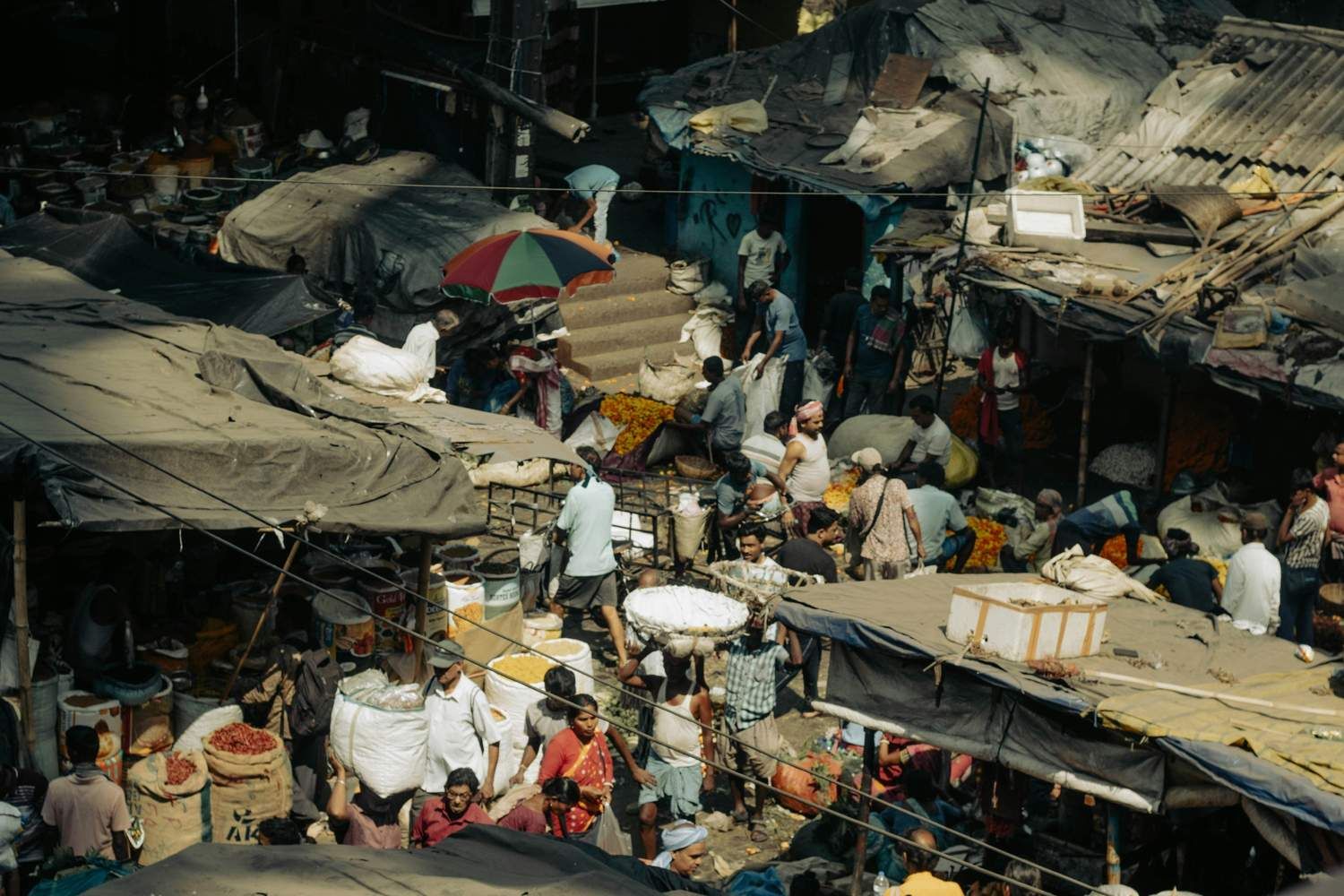
A regular phone call from our very own field worker (FW) Ms Komal, SHARE INDIA to Ramcharan (name changed), a DR TB patient from Dharavi showed a glimpse of his health condition, loss of job and income due to COVID-19 lockdown. Unable to pay house rent & large family to care for, he left for his hometown, Khandala, Maharashtra, without informing the NTEP programme staff.
Limited medicine stock for only 4 to 5 days left him bewildered, but Komal counselled & guided him to reach to the nearest health center in his hometown and meanwhile informed the Dharavi NTEP staff about Ramcharan’s migration.
With her support, Ramcharan visited the health centre in his village and received his medication sufficient for a few days. She went further, and put all her efforts in coordinating with TB staff at Dharavi, to check for any possibility of transfer of excess drugs at his village.
Ramcharan is still at his village. With no immediate plans to shift back to Dharavi, Komal is ensuring his drug adherence and follow-up tests. She is all glad and full of pride for her timely intervention, guidance and motivation towards keeping her patient on uninterrupted treatment regimen and follow-up. Breaking language barrier to ensure access to MDR-TB treatment and preventing loss to follow-up (LTFU).
Case: Preventing LFU & Supporting Adherence
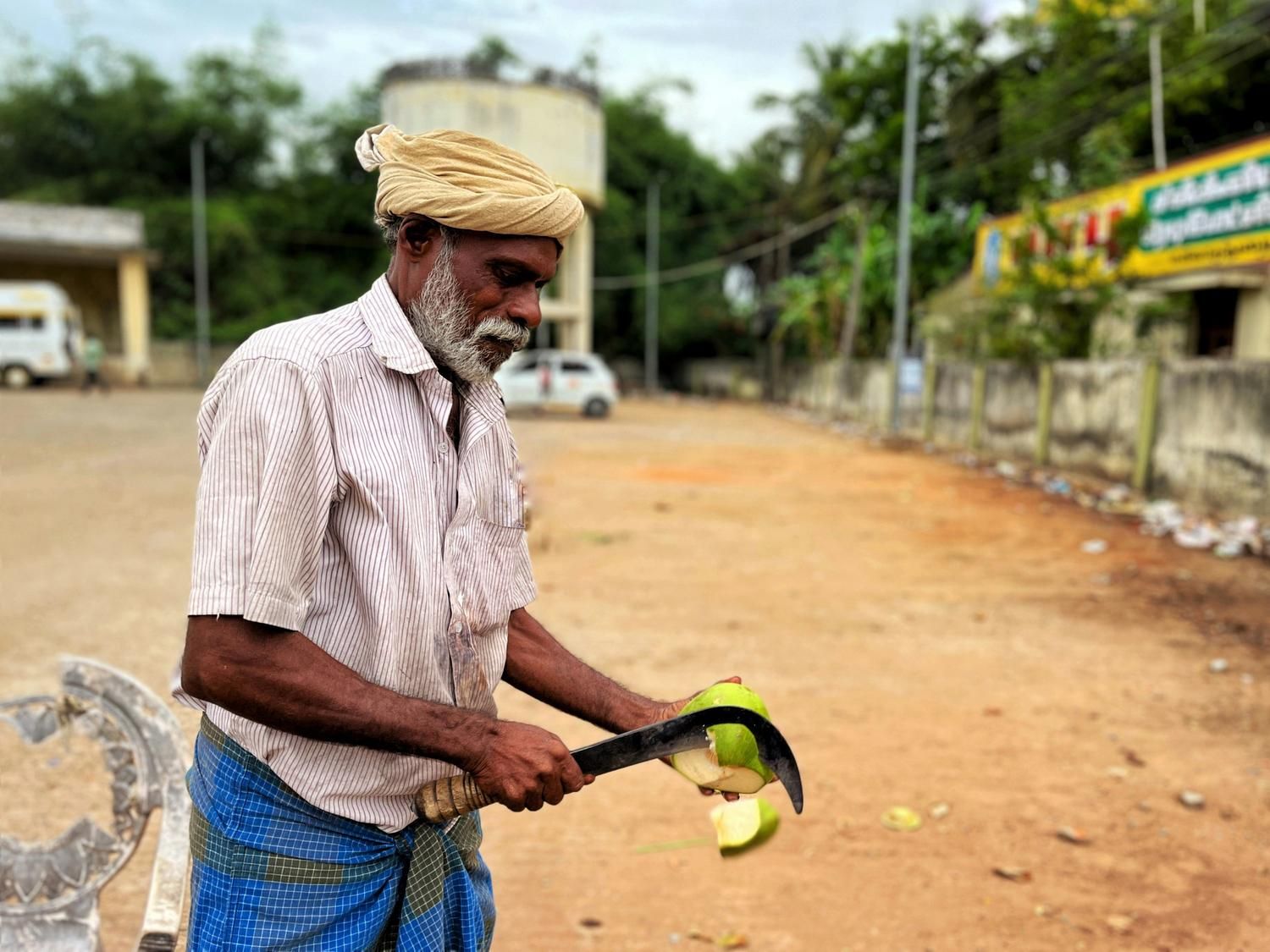
Narayan Shankar (name changed) from Tamil Nadu was initiated on MDR TB treatment regimen in April 2020. Narayan was staying with his friend in Dharavi and making a living by selling tender coconut water. His business came to a standstill when the pandemic struck and as his only source of income was cut. He left for his hometown, Tirunelveli district with TB medicine stock of two months.
SHARE INDIA’s Field Coordinator (FC), Darshana, took a proactive approach, and collected Narayan’s alternate contact details and native address when the lockdown was announced. She does this exercise for all her migrating patients who have a high probability to be “lost to follow up”.
Darshana contacted the patient’s alternate number and ensured that he had approached the nearest health facility in his hometown for his medicine stock, and his treatment is continuing. In the subsequent month, the native health worker informed him that he would require to transfer his medicine stock contact from Mumbai to his native place to get ongoing medication. Darshana pitched in to support Narayan in this ordeal and realized that he wanted to return to Dharavi when travel restrictions are lifted.
She facilitated a teleconference to link the TB Health worker in Dharavi and Narayan’s native Tirunelveli. Our FC overcame the language barrier as the health worker spoke only in Tamil and enabled the conversation between them. This helped the health worker understand Narayan’s concern and supplied him with additional stock of medicines for one month to sustain him until his return to Dharavi.
Narayan was overwhelmed with the support received from Darshana and looks forward to getting back to Dharavi to resume his coconut business, for Mumbai calls him their very own "nariyal pani wala".
Case: Preventing Suicide with Counselling
When Komal (field coordinator from SHARE INDIA) had interaction with Ms Fatima Khan, 43-year-old house wife residing at Mukund Nagar, Dharavi, she understands that her father-in-law passed away 4 days ago and husband passed away 7 months ago. Patient was staying with 2 children and mother-in-law. There was no earning family member.
During a telephonic interaction, Ms. Khan said that she had excruciating headaches, and felt very depressed. Had it not been for responsibility of two children, she might have committed suicide.
Komal counselled her and told to go to Sewri TB hospital or Sion hospital. Fatima was worried as she had never travelled alone. Komal stayed on the phone, serving as her guide till she reached the hospital. Doctors at Sion hospital treatment Fatima for her headache and other symptoms, and relieved her of her symptoms.
Case Report: Sikkim
A 21-year-old female TB index patient from Gole Dara, was pursuing nursing studies in Mangalore when she was diagnosed with TB. She had a history of loss of appetite, progressive weight loss, and intermittent cough for 6–8 months prior to diagnosis. After initiation of treatment in Mangalore, she was transferred to Gangtok DTC for continuation of care.
Following transfer, the SoT project team, carried out systematic contact tracing, and identified three close family members with TB infection, all of whom were successfully initiated and completed TB preventive treatment (TPT). During this period, the field coordinator, visited the family and provided counselling, which encouraged them to engage with DTC services.
The patient’s family is economically disadvantaged, with both parents working as farmers and three siblings dependent on them. To provide additional support, a food basket was arranged in consultation with the DTO, Gangtok.
Case Report: Karnataka
During an Intensified case finding (ICF) camp at an old age home (congregate setting) in the intervention area, a 65-year-old male, Mr. Ravichander (name changed), working as a kitchen helper, was identified as TB infection positive. He was counselled and referred for Tuberculosis Preventive Treatment (TPT). However, in the initial stage, he declined treatment as he had no obvious symptoms.
The field team later counselled him further, emphasizing his increased risk due to chronic smoking and explaining the potential consequences of developing active TB. He was informed about the possibility of transmission to other residents, highlighting that if he developed TB, all 45 elderly residents of the facility could be at risk. This awareness encouraged him to accept TPT.
The patient expressed gratitude to the team, acknowledging that early detection safeguarded his health and protected the vulnerable elderly individuals under his care. He also recognized the importance of early treatment in preventing disease spread.
Case Report: Delhi
Under the SoT project, a 22-year-old female, Sharada (name changed), resident of Kalkaji, Delhi, was identified with TB symptoms in May 2025. She was a contact of Seema (name changed), a TB patient identified through routine contact tracing.
During counselling, Seema initially did not mention any contacts. However, in a discussion with her father-in-law, who regularly accompanied her to the health facility, the field coordinators learned about Seema’s sister-in-law, Sharada, who often prepared and served her meals. Sharada lived in the same locality.
The field team visited Sharada’s home and found she had a persistent cough and had previously discontinued medications after temporary relief. Despite initial reluctance, repeated counselling motivated her to undergo investigations. She agreed to a chest X-ray and sputum test, and was confirmed to have pulmonary TB by CBNAAT. She was initiated on treatment within one week in June 2025. Both Seema and Sharada are currently on treatment and adhering to medications regularly.