mIRA
A cluster randomized trial of an mHealth integrated model of hypertension, diabetes and antenatal care in primary care settings in India and Nepal

1,370
Pregnant Women Enrolled
4 Essential Components
Core ANC Tests Digitized
25 Across 5 Districts
Health Facilities Covered
Overview
India has made significant progress in reducing maternal mortality over the past two decades; however, the burden remains substantial, and achieving the Sustainable Development Goal target by 2030 requires continued efforts. Increasingly, indirect obstetric causes particularly non-communicable diseases such as hypertension, gestational diabetes, and anemia are contributing to maternal health risks during pregnancy. Although antenatal care coverage in India is high, variations in the quality of services across regions and populations remain a challenge.
To address this gap, this study focuses on improving the quality of antenatal care through the development and evaluation of a tablet-based Electronic Decision Support System (mIRA EDSS). The intervention integrates screening and management support for pregnancy-induced hypertension, gestational diabetes, anemia, and routine antenatal care, and will be evaluated through a cluster randomized controlled trial to strengthen primary healthcare delivery.
Aim
To evaluate the effectiveness of the mIRA EDSS in improving the quality of ANC in India. The mIRA EDSS comprises a tablet-based android application to deliver guideline-based routine ANC along with screening for, and subsequent management of, pregnancy induced hypertension (PIH), GDM, and anaemia.
Objectives
The primary objective is to evaluate the effectiveness of the mIRA EDSS intervention in improving the quality of ANC in the intervention arm compared to standard ANC to the control arm, assessed by changes in the provision of four selected ANC components (the measurement and recording of blood pressure; and the conduct of: a blood glucose test, a urinary dipstick test, and a hemoglobin test). The secondary objectives are to evaluate whether the mIRA EDSS improves the following components of ANC in the intervention arm as compared to the control arm:
- Provider identification of PIH, GDM, and severe anaemia, and their communication about this to the participants (pregnant women).
- The quality of provider communication about pregnancy symptoms and response.
- Provider counseling on danger signs 4. Provider delivery of a comprehensive suite of quality ANC components.

Status of the project
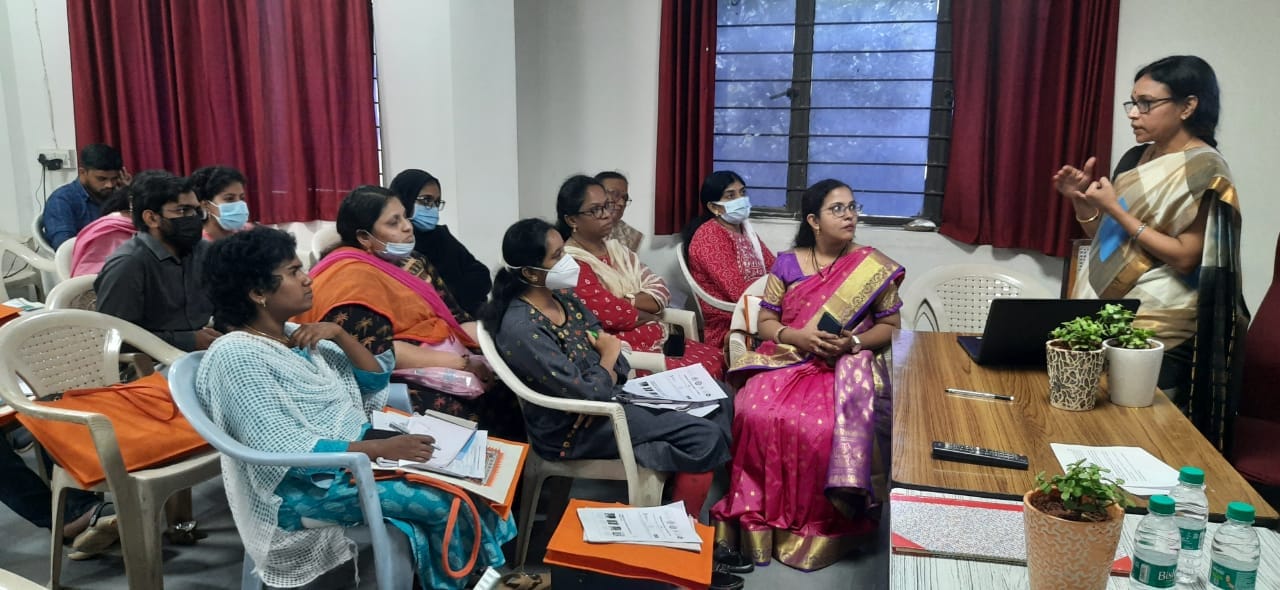
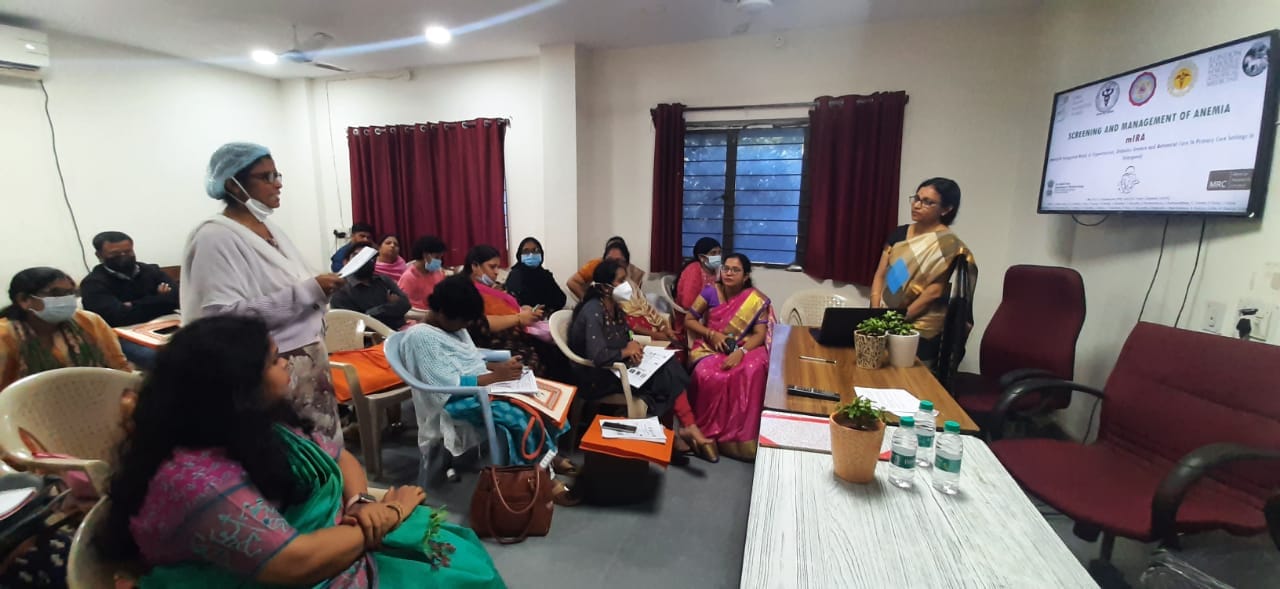
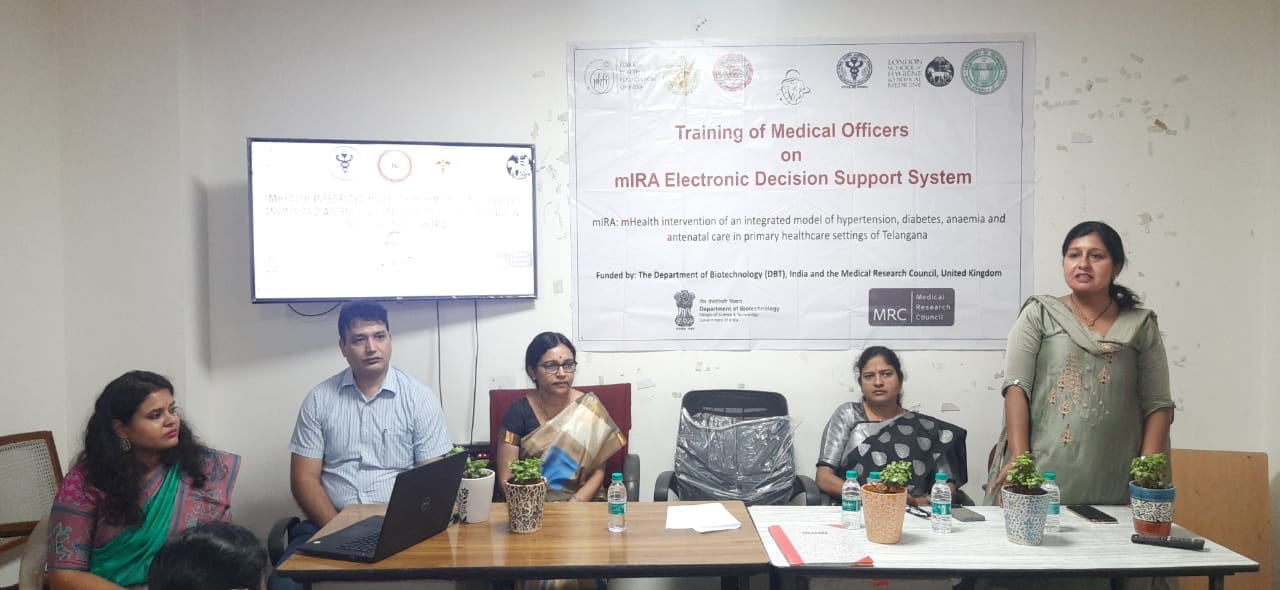
- Formative phase completed across 25 health facilities in five Telangana districts, including data collection using surveys, interviews, and clinical tools; draft study report submitted to state authorities.
- Electronic Decision Support System (EDSS) for ANC care focusing on anaemia, gestational diabetes, and pregnancy-induced hypertension is in final development and testing stages.
- Trial protocol for the mIRA study has been prepared with comprehensive details on design, methodology, and implementation.
- Process evaluation tools developed, including audit tools, surveys, and monitoring checklists; publication committee established and working on disseminating formative phase results.
- Total 1370 Pregnant Women have been recruited in the mIRA trial in both Intervention and Control Arms and “1280” Follow ups for ANC Visits of Recruited Pregnant Women have been conducted.
- The pregnant women recruitment into the mIRA trial has been completed and presently the analysis work of the mIRA project is being carried out.