
HELP
HEaLthy Pregnancy Study

6.77× Higher Risk
High-Risk Identification
~10% Worldwide
Pregnancy Affected
7,000+ Samples
Clinical Samples
Overview
Hypertensive disorders of the pregnancy cover a spectrum of conditions including preeclampsia, eclampsia, chronic hypertension and preeclampsia superimposed on chronic hypertension. Preeclampsia is a major cause of maternal and perinatal mortality (number of still births and deaths of new-born in first week of life). Hypertensive disorders of the pregnancy occur in about 10% of all pregnant women around the world. Preeclampsia effects 3-5% of pregnancies. SHARE INDIA earlier conducted and published studies on hypertensive disorders of pregnancy.
Aim
To identify whether the early rise in blood pressure or serum creatinine or serum uric acid or urine protein creatinine ratio compared to the 1st trimester (baseline) value predicts the later onset of hypertensive disorders. It also aims to study the association between these markers and maternal and fetal outcomes.
Objectives
Measure blood pressure, serum uric acid, and serum creatinine and urine protein creatinine ratio every month during the course of pregnancy and examine the tracking of these markers to identify which marker, individually or in combination helps in the prediction of hypertensive disorders at the earliest.
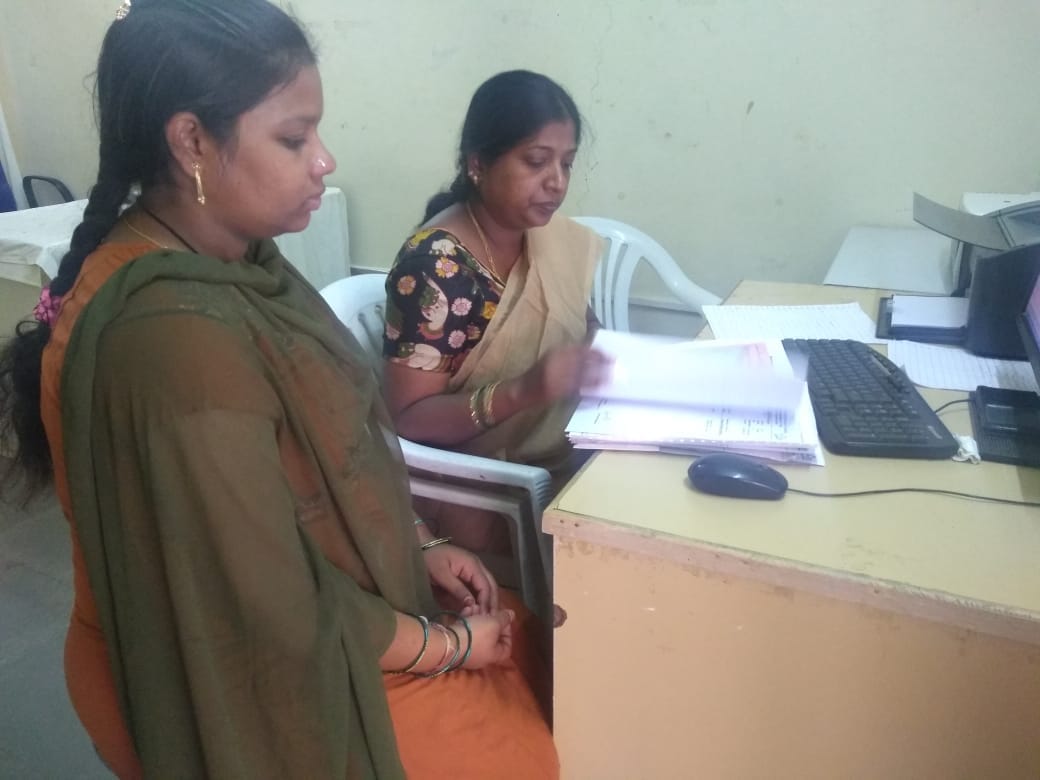
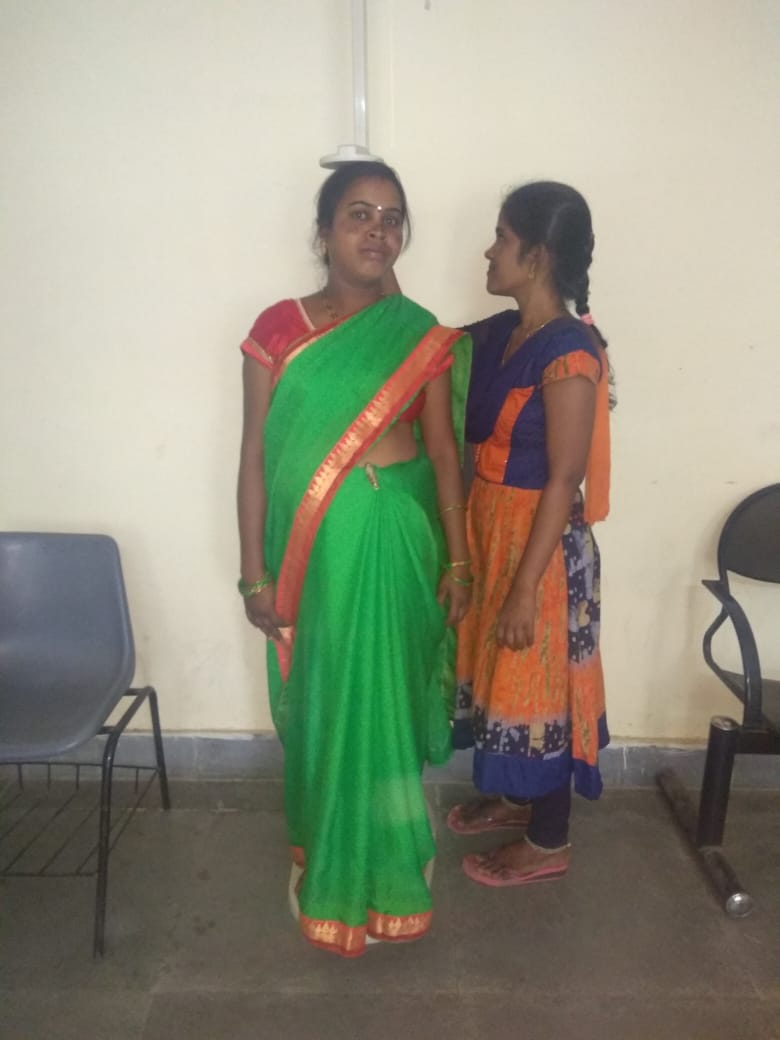
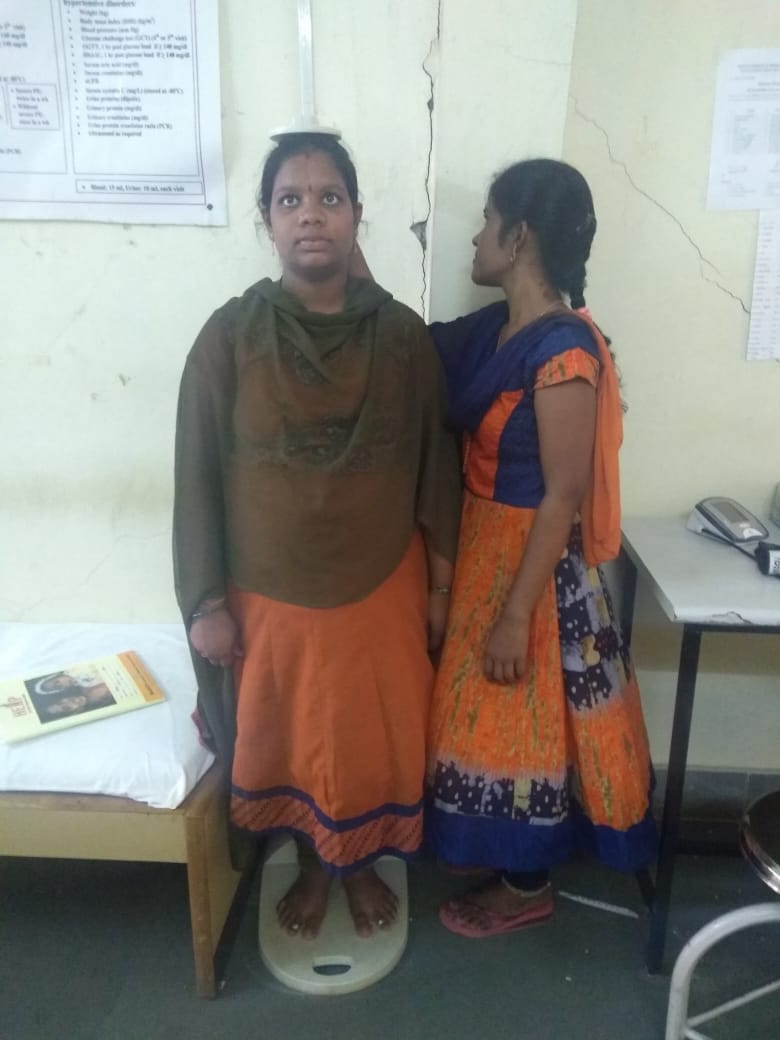
Status of the project
- Data was reorganized to make it analyzable.
- Work is being carried out on writing a cohort study paper.
- HELP study biobank has over 7000 samples.
Results
- To predict PIH at the early gestational age, we estimated the cut-off by receiver operating plots to be (97, 63) mm of Hg for GH and (98, 62) mm of Hg for PE for the systolic and diastolic BP respectively.
- The sensitivity and specificity of these cut-offs were similar for both BPS (Sensitivity 68%, specificity 66%)for GH, (Sensitivity 49%, specificity 69%) for PE
- BPD (Sensitivity 75%, specificity 61%) for GH and (Sensitivity 56%, specificity 55%) for PE
- 12.9% (n=99) of the women develop PIH who had a SBP recording higher than 97mm of Hg (ROC cutoff) in any of the visits till 22.6 weeks .
- On the contrary, the incidence is only 1.9% for those whose SBP remained below this cut-off throughout this period (RR 6.77; 95%CI: 3.0 to15.28).
- For DBP, 11.99% (n=99) developed PIH using the ROC cut-off of 63 mm of Hg (RR 5.19; 95% CI: 2.31 to 11.7).
- When this cut-off is increased, the incidence also increased reaching a maximum of 47.46% for SBP>=120 mm of Hg (RR 6.33 95% CI: 4.49 to 8.93) and 37.23% for DBP>=80 mm of Hg (RR 5.28; 95% CI: 3.73 to7.46).
- The incidence of PIH changes only minimally for different cut-offs used for PCR .
With the PCR cut-off >0.3, the incidence was 11.41% (RR 1.45; 95% CI: 1.0 to 2.1) which was statistically not significant.
Not a distinguishing marker.
∆ change: effect of change in these predictors from the preceding visit within 22.6 weeks of GA
Checked if the maximum change had any effect on development of PIH.
We found that ∆ change for both SBP and DBP has a direct relationship with incidence of PIH and the risk is incremental with the increase in ∆ change.
The maximum risk was noticed when the ∆ change is >20 mm of Hg for both SBP (RR 5.28; 95% CI: 3.69 to 7.55) and DBP (RR 5.29; 95% CI: 3.61to 7.76)
Also look at the uric acid >2.
A relationship is established between PIH and maternal BP in the earlier weeks of gestation and at the time of diagnosis of PIH.
Conclusion
- Our study demonstrates that BP categories with lower thresholds than those traditionally used to identify individuals as hypertensive, may identify more women at risk for HDP.
- As BP is a mandatory criterion for diagnosing PIH, a strongly regular BP monitoring is suggested, at least for those who exceed the mandated cut-offs.
- In this context, it is recommended to improve existing infrastructure at community level to screen the women on high priority basis and link them to a strengthened and amplified referral system.