
GEM-P
Mycoplasma genitalium, differentiated Urea plasma Species and Pregnancy Outcome

2000+
Maternal samples processed
7
RTI pathogens standardized
800+
Samples undergoing amplification
Overview
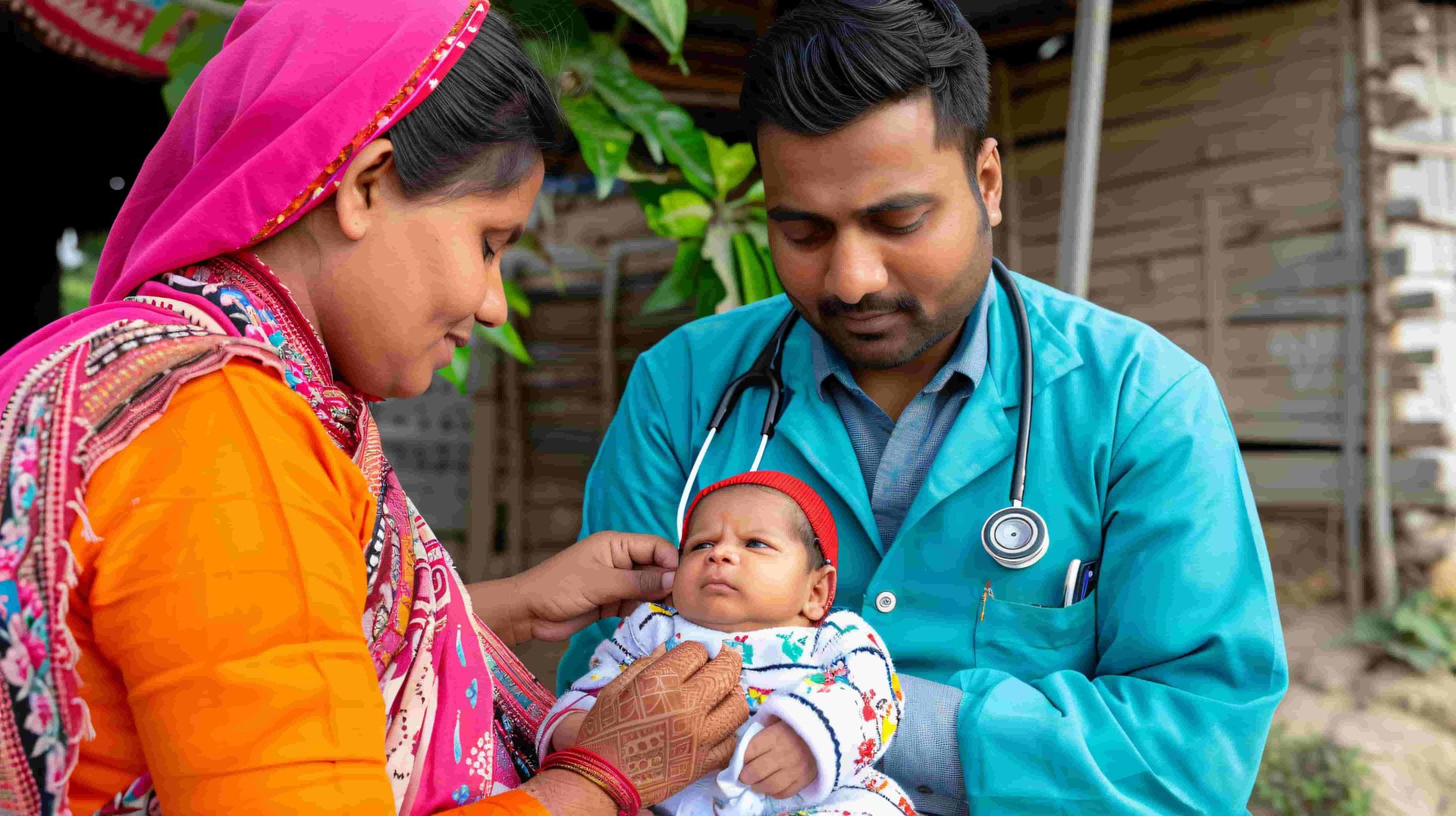
Reproductive tract infections (RTI) present major health, social, and economic problems for women in developing countries. The objective is to understand pregnancy outcomes due to reproductive tract infections in India. It emerged as an intermediary outcome of the LIFE study, where SHARE INDIA team has been following the pregnant women for a longitudinal study to understand the environmental influences on childbirth. Earlier a review was conducted on prevalence of Chlamydia trachomatis among child bearing age women in India and published in 2015. The present study is a resultant of the observations made during the review and field experiences through community engagement in Medchal – Malkajgiri district in rural Telangana.
Aim
To identity the burden of poor pregnancy outcomes due to reproductive tract infections in India.
Objectives
Determine the role of pre-pregnancy and prenatal vaginal infections with mollicutes including fastidious Mycoplasma genitalium and the newly differentiated Urea plasma spp. termed U. urealyticum (UU) and U. parvum (UP) on Pre-Term Birth (PTB) and Spontaneous abortion (SAB). The study also aims to determine the relationships between vaginal infection with Mycoplasma genitalium, Urea plasma urealyticum, Urea plasma parvum, and adverse pregnancy outcomes, including spontaneous abortion and preterm birth. It also examines chorioamnionitis as an associated factor between Mycoplasma genitatium or Urea plasma infection and spontaneous preterm birth.
Status of the project
DNA was isolated from 2000 and odd vaginal scrapings collected from the women at registration, 1st Trimester, 3rd Trimester, Delivery and 30 days after delivery by QIAamp cador Pathogen mini kit (QIAGEN), following manufacturers protocol. Probes and Primers were designed by Dr. Jorgen Skov Jensen (Statens Serum Institute, Denmark) for the following organisms: Mycoplasma genitalium (MG): FAM (organism) and HEX (Internal control), Chlamydia trachomatis (Ctr): FAM (organism) and Cy5(Internal Control), Mycoplasma hominis (Mh): FAM (organism) and HEX (Internal control), Trichomonas vaginalis (Tv): FAM (organism) and HEX (Internal control), Neisseria gonorrhoeae (Ng): FAM (organism) and HEX (Internal control), Ureaplasma urealyticum (UU), Ureaplasma parvum (UP) All the probes were standardized under specific cycling conditions; reamplified for Mh, Mg, Ng and Tv; As next steps approximately 800 and odd DNA samples should be amplified with the Mh, Mg, Ng and Tv probes Provided.
Results
Yet to analyze.