
LIFE: Longitudinal Indian Family hEalth Study

1,227
enrollments of pregnant women
1,275
deliveries documented
642
partners enrolled at baseline
Overview
Launched in 2009, the LIFE pilot study is a long-term maternal and child health initiative that follows families from pre-pregnancy through childhood to understand how early-life environments influence health, development, and future disease risk in India.
Aim
To understand the relationship between environmental conditions during conception, pregnancy, and childbirth and the physical and mental health of Indian women, while identifying the underlying determinants of adverse pregnancy outcomes, childhood illnesses, and developmental disorders that are highly prevalent in India.
Objectives
To examine the socio-economic and environmental determinants influencing women’s health from pre-conception through pregnancy and delivery, and their impact on child health and development.
To identify factors contributing to low birth weight, maternal, fetal, neonatal, infant, and childhood mortality, as well as childhood diseases and developmental disorders.
To assess the physical and mental health trajectories of children from birth through adolescence.
To identify early-life and pregnancy-related antecedents of cardiovascular disease from pre-pregnancy through pregnancy and into young adulthood among women.
Key Achievements
- One of India’s few cohorts beginning before conception
- Longitudinal follow-up of mothers and children into adolescence
- Integration of clinical data, biological samples, and developmental assessments
- Establishment of a large maternal-child bio bank supporting future research
Current Status
- 1,227 women enrolled before or early in pregnancy
- 1,275 deliveries documented
- 642 partners recruited at baseline
- 27,000+ biological samples securely stored
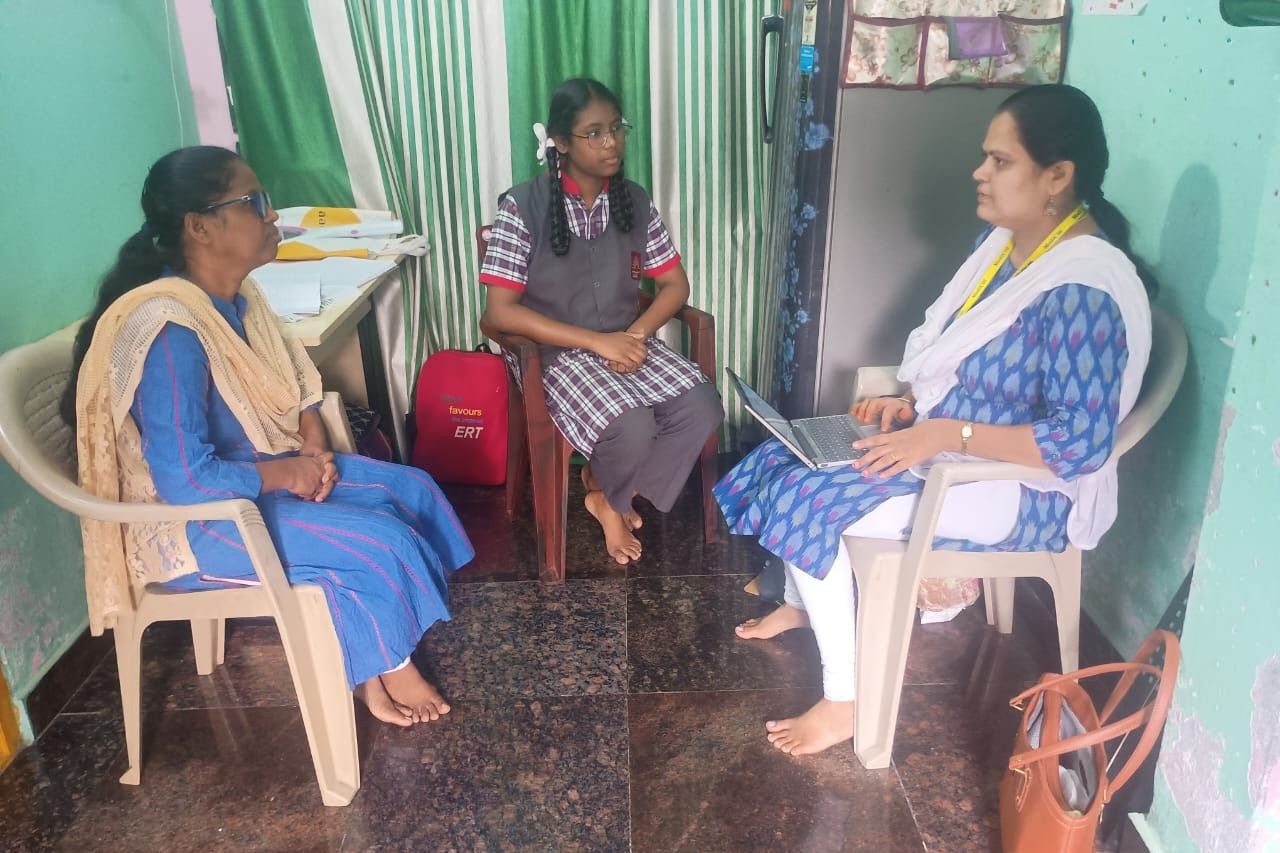
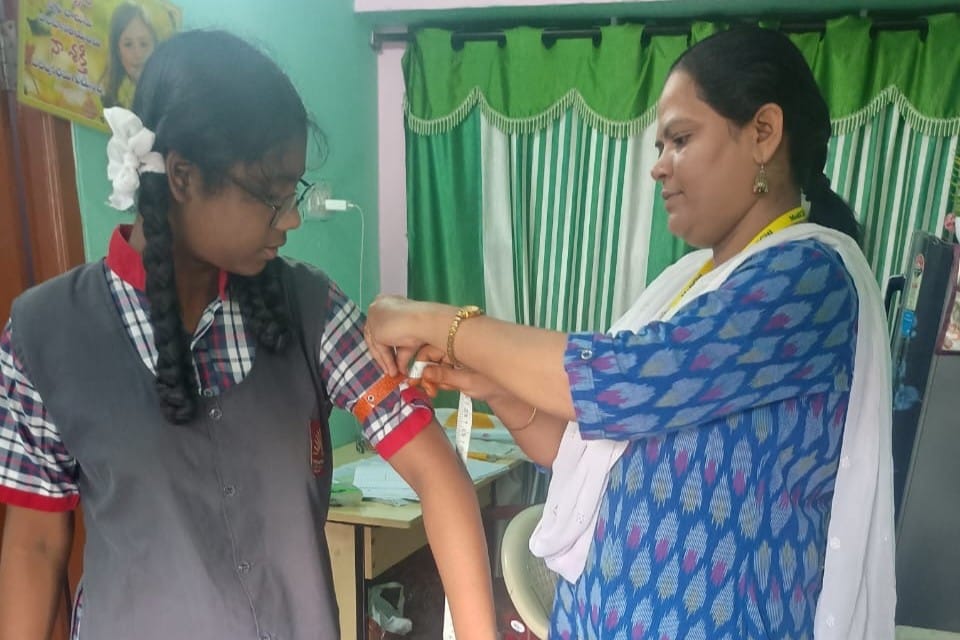
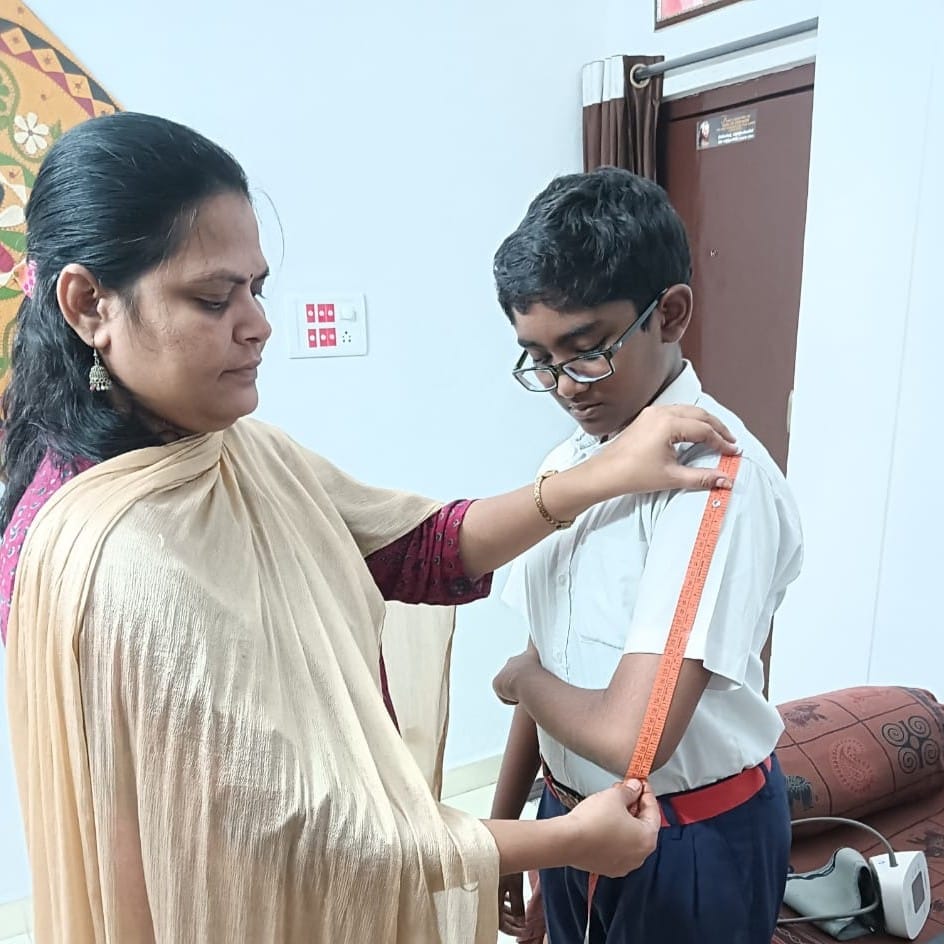
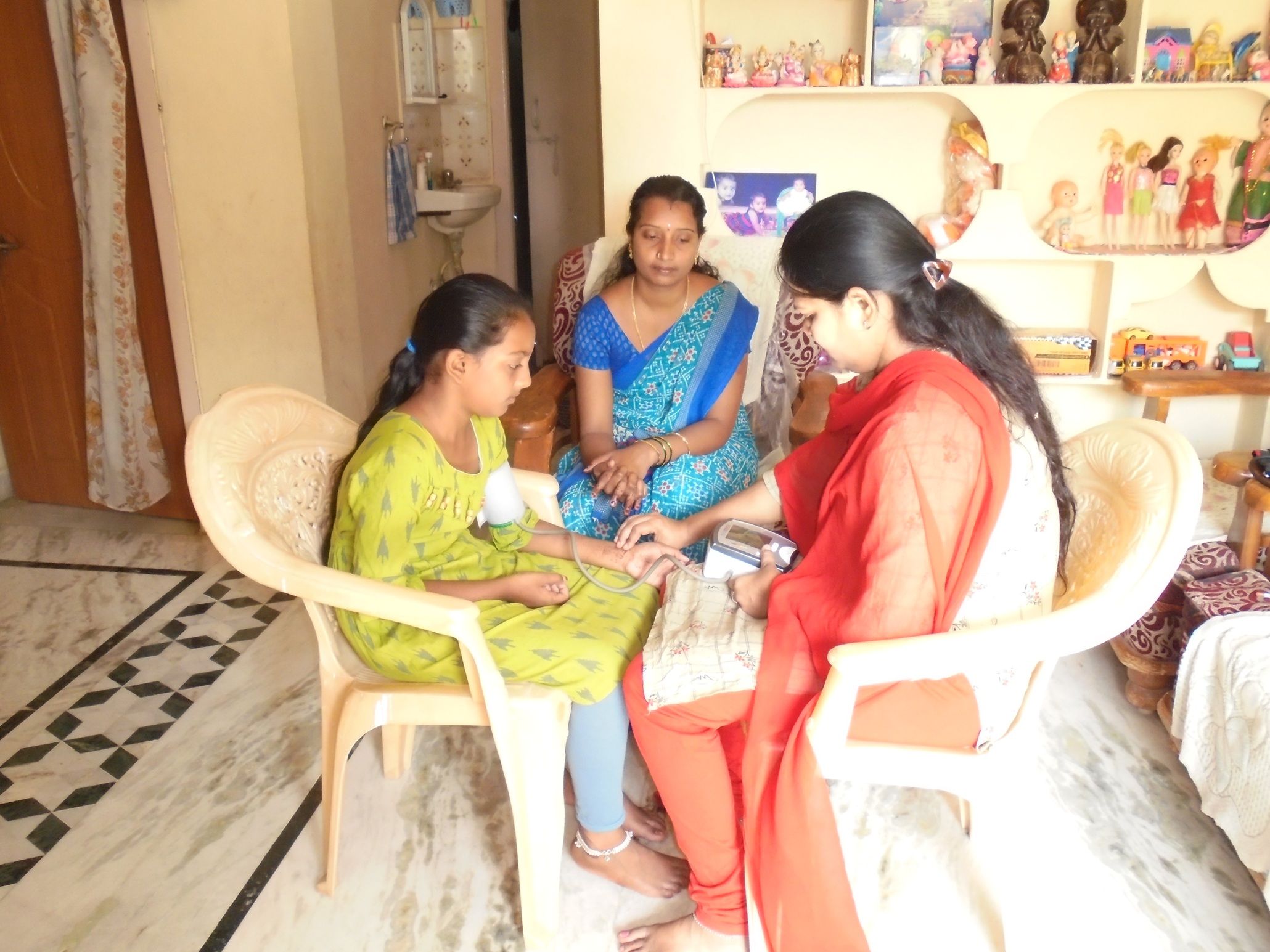
- Ongoing follow-up of children from 6 months to 16 years, including cognitive
assessments using the WISC-IV (Indian adaptation), along with anthropometric
measurements and health questionnaires for both mother and child.
Manuscripts under preparation
- Comparison of blood pressure and blood sugar at 5 years of age between those with normal birth weight and low birth weight.
- Comparison of various anthropometric and biochemical measures (non-communicable disease risk factors) in pre-pregnant women and their husbands at baseline and after 5 years of follow-up.
- Non-communicable diseases in pregnancy and outcomes from LIFE cohort.
- The Wechsler Intelligence Scale for Children (WISC-IV) fourth edition is being administered to evaluate cognitive functioning in two age groups i.e., 8-11 years and 12-16 years.
Investigators
Dr. Kalpana Betha, MBBS, MD
Dr. Shailendra, MBBS, MD
Funding sources
SHARE INDIA
SHARE USA